Peltchair by Lilian van Daal and Studio Synergy
This project explores nature informed strategies on how energy can be generated from passive body heat and translated into illuminated design outcomes.

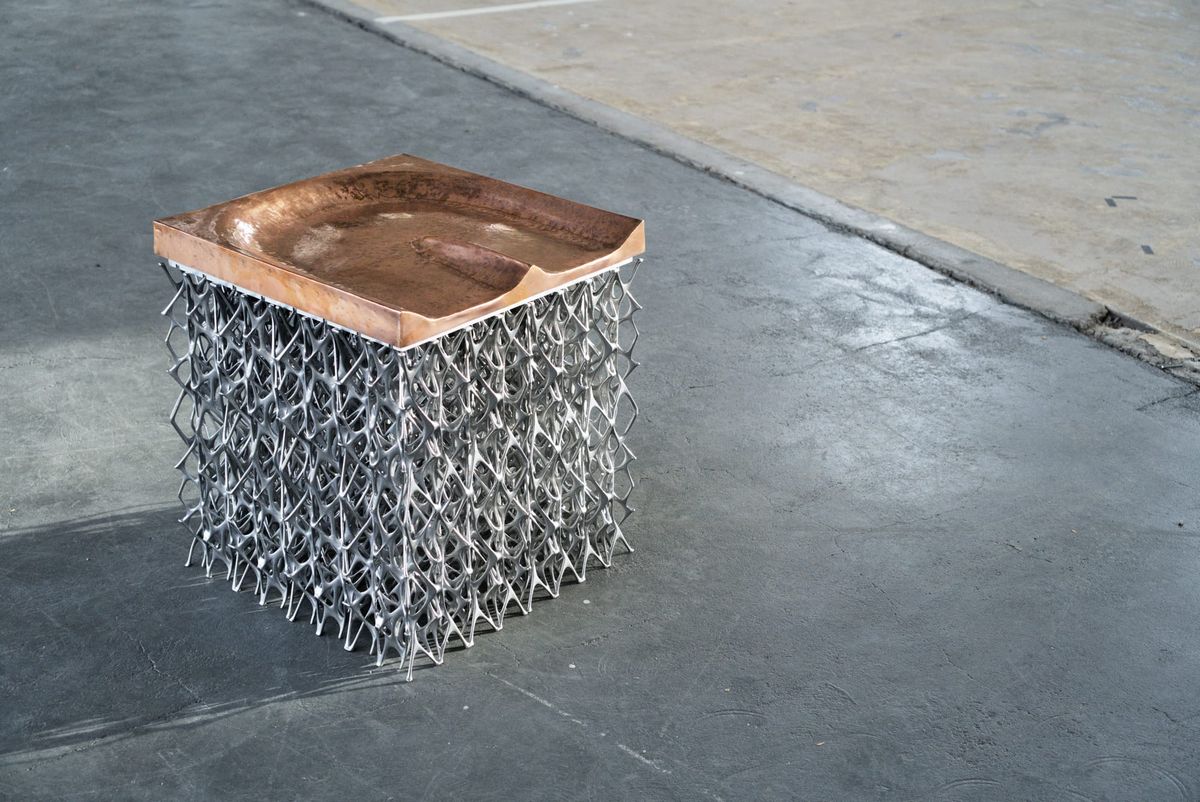
With a background in science and a deep understanding of emerging technologies, Leon Houben, founder of Studio Synergy, introduced Lilian van Daal to the concept of translating passive body heat into visible energy through illumination. To achieve this unusual outcome within a piece of furniture, Peltchair had to be designed with a strong focus on efficiency and performance.
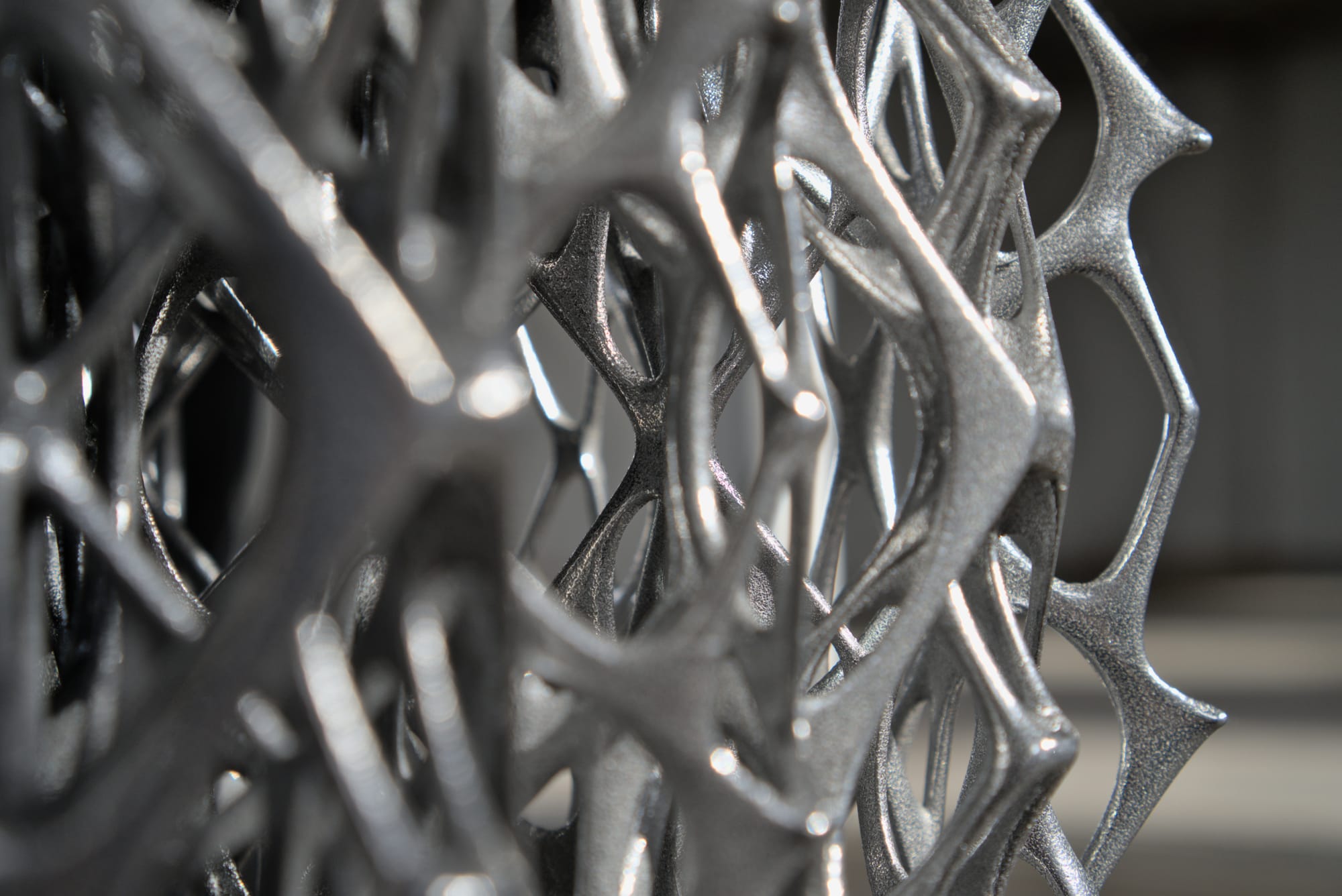
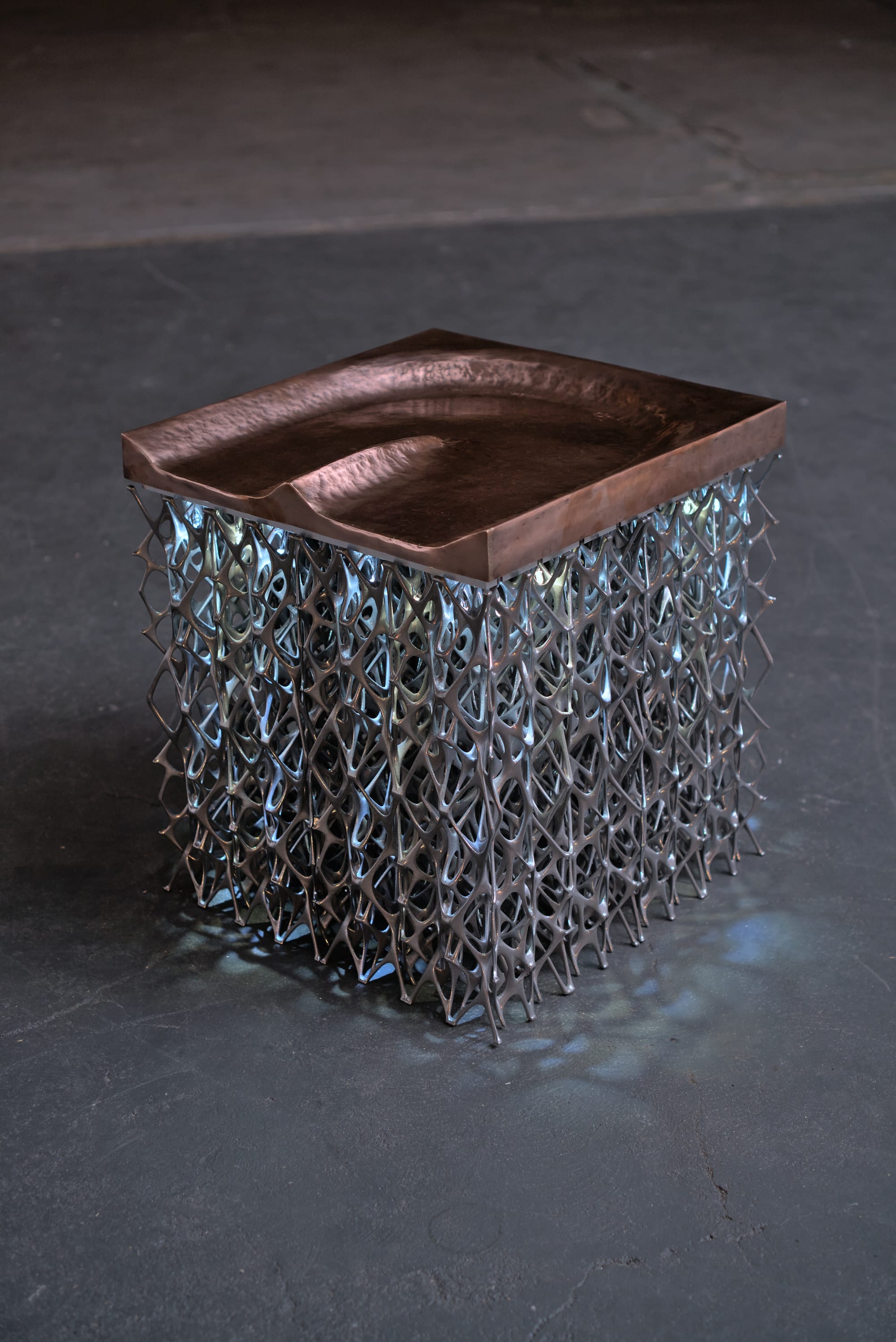
Using Peltier elements - electronic components commonly used in cooling systems - Lilian van Daal and Leon Houben explored how this mechanism could be repurposed within a design context. The project engages directly with the physical properties of the element’s two sides: a ‘cold’ side and a ‘warm’ side. In principle, a temperature difference between these sides generates an electrical current.
"The greater the temperature difference, the greater the heat flow, the brighter the Peltchair will glow."
While Peltier elements are typically most effective at much larger temperature differentials, often in the order of hundreds of degrees, the designers worked with a significantly smaller range. In their case, they adapted the system to respond to a difference of approximately 17°C, around 37°C from the human body against an ambient temperature of roughly 20°C.
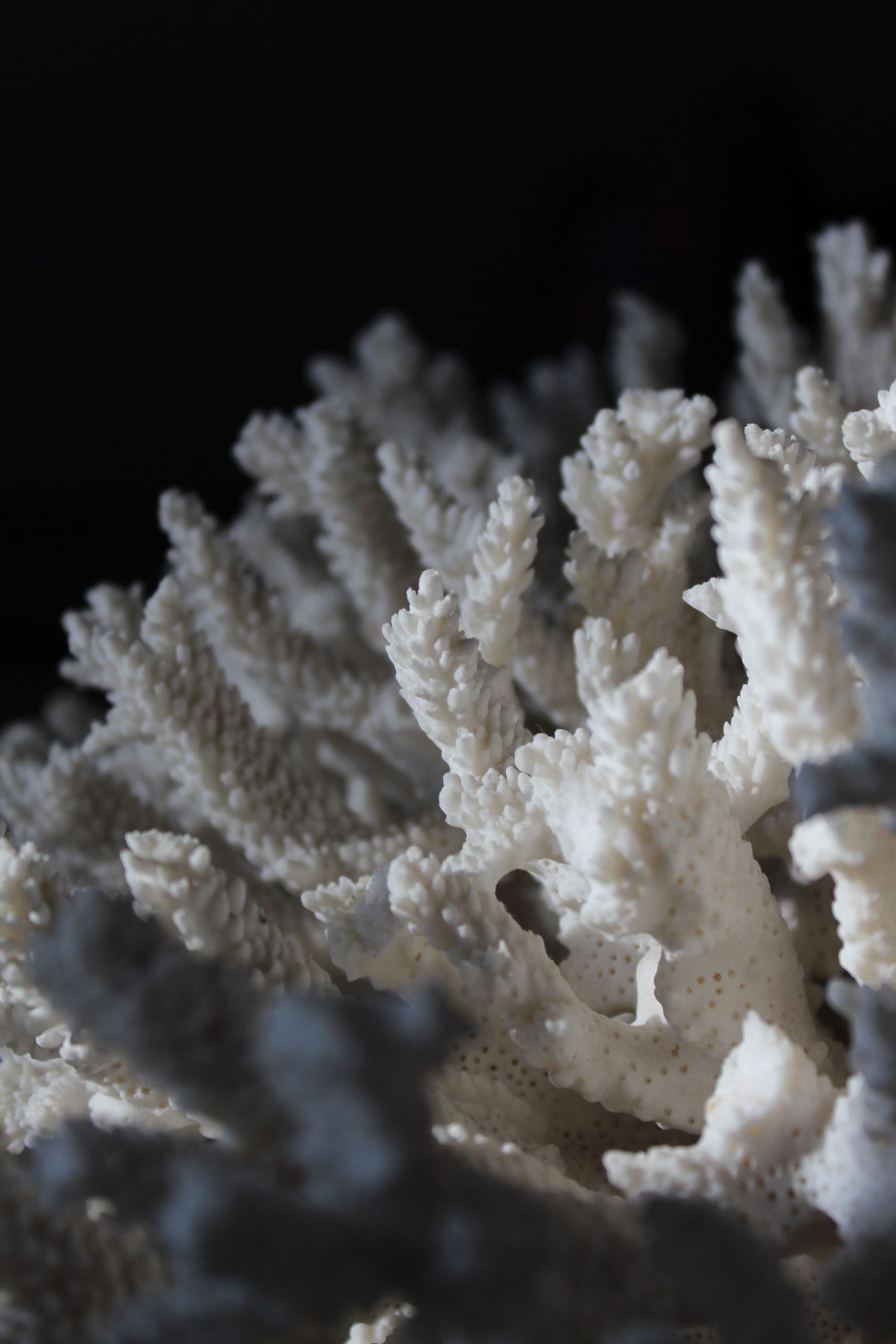
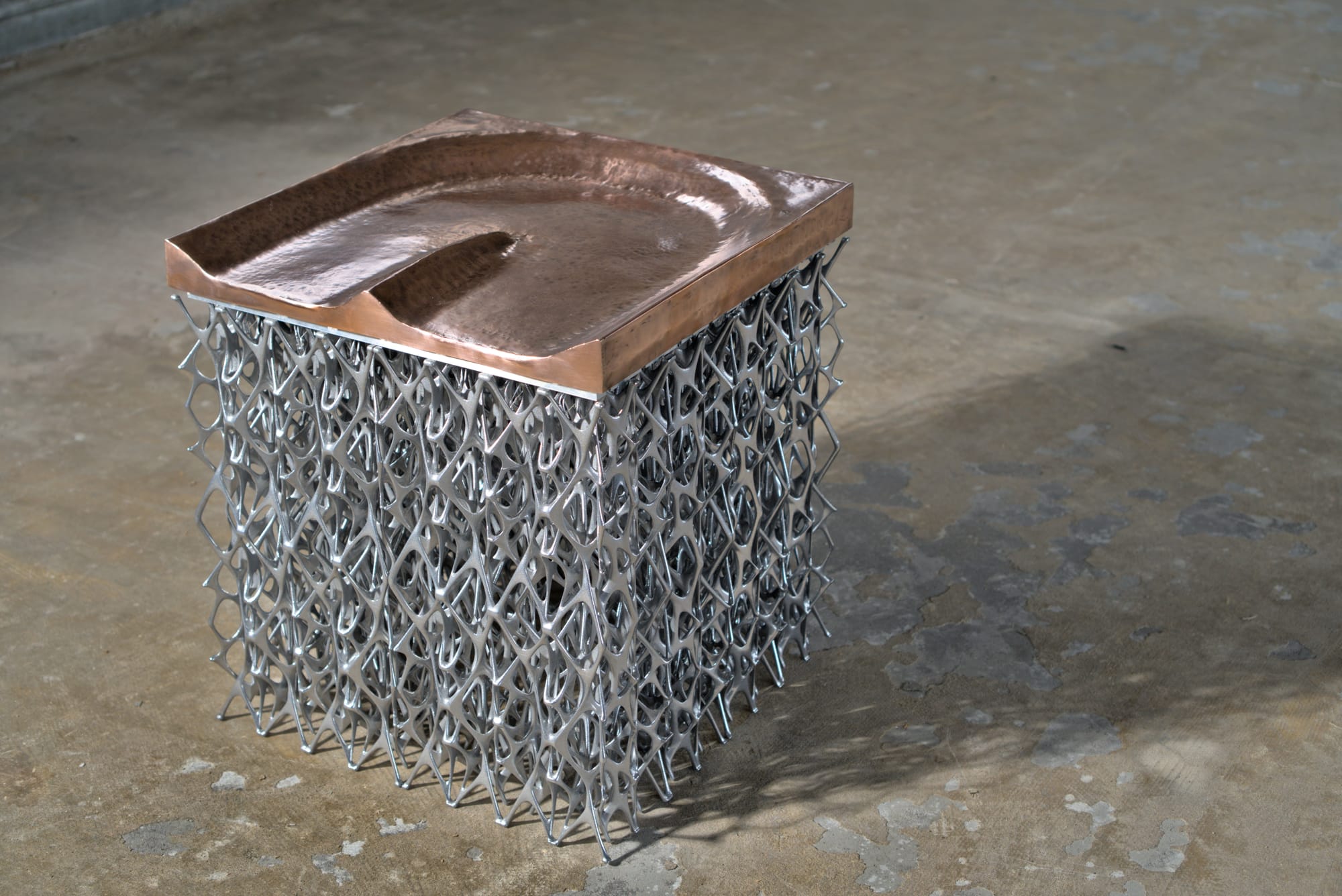
This is where biomimicry was introduced into the design process. Drawing inspiration from natural strategies such as the branching structures of coral, the designers adopted a natural strategy that uses increased surface area to dissipate heat efficiently.
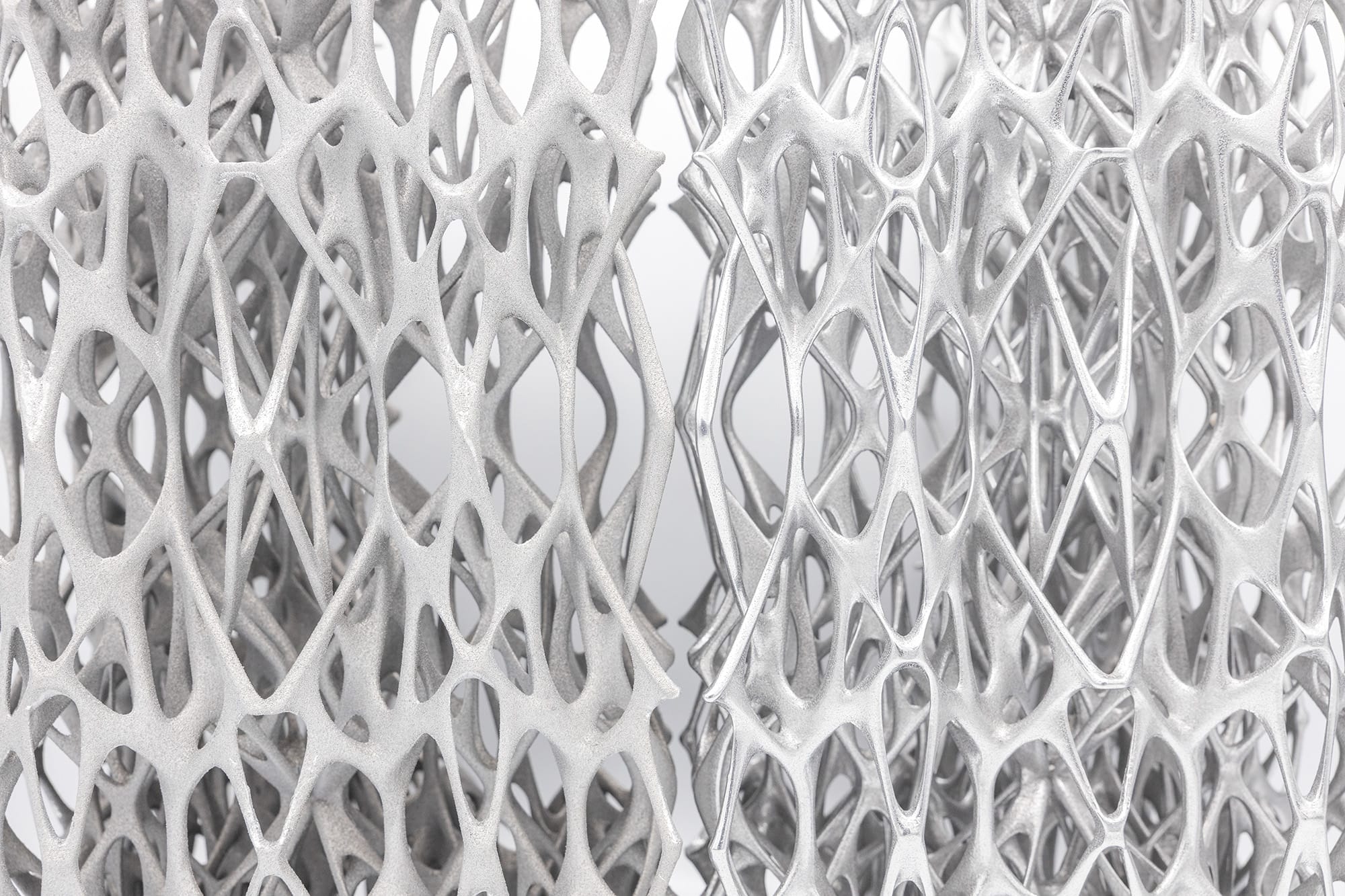
Consequently, the warm side was designed as a large copper surface to maximise contact with the body and absorb as much heat as possible. The cold side was developed as a 3D-printed aluminium structure with a similarly high surface area, allowing heat to be released into the environment as efficiently as possible. In essence, the chair functions as a large heat sink, engineered to maintain the temperature gradient required for Peltier elements to generate electricity.
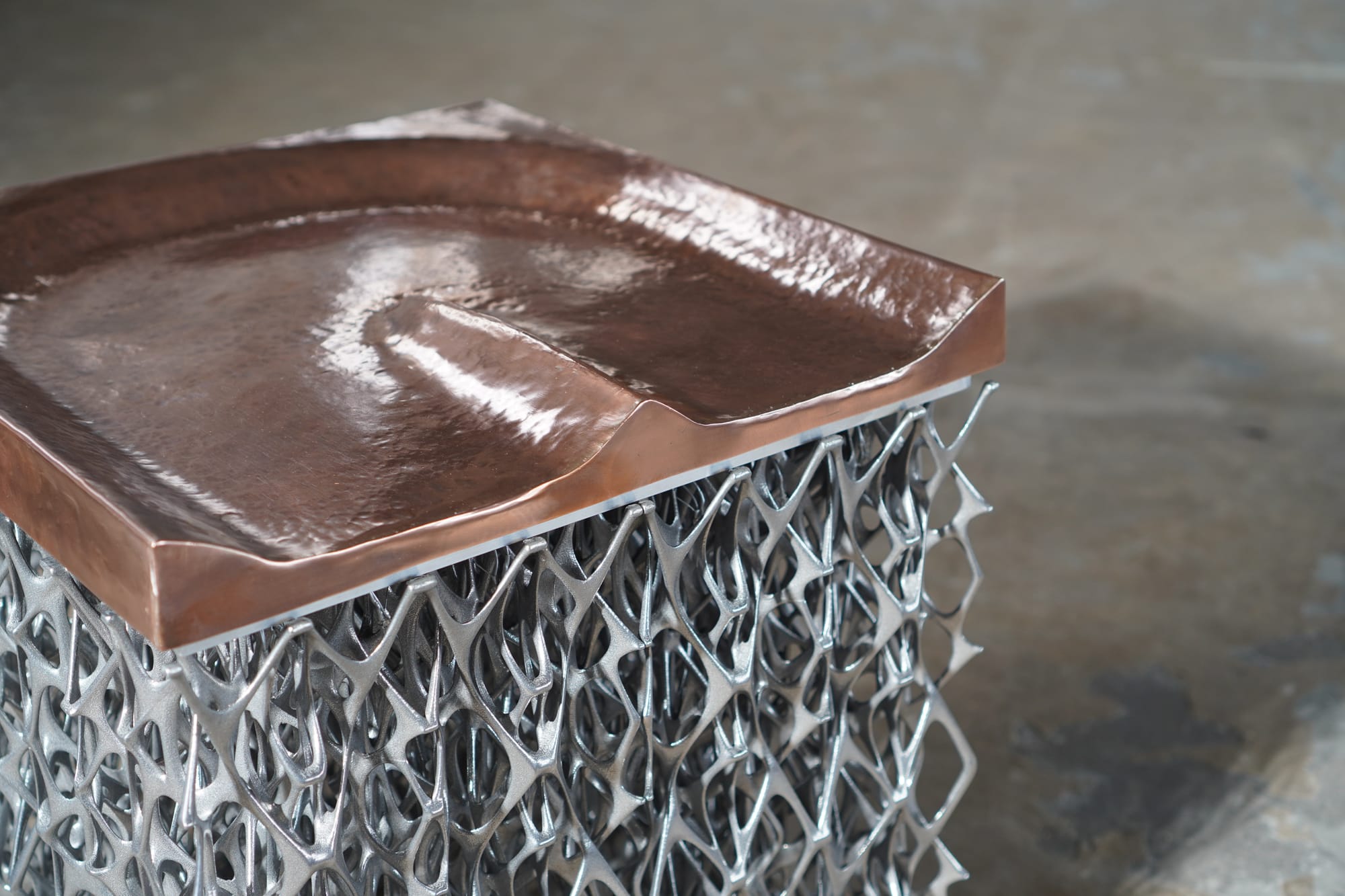
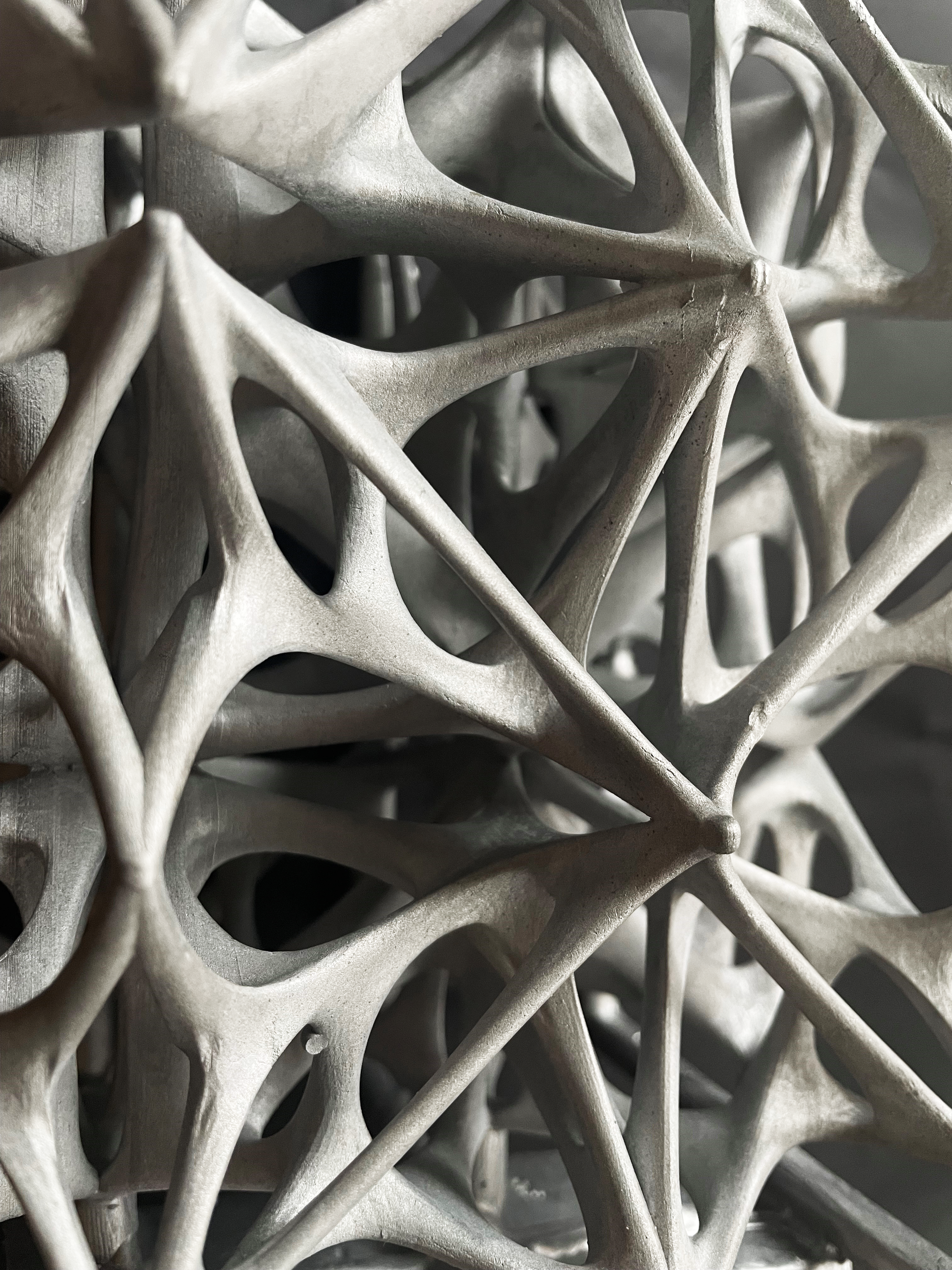
Simultaneously, Lilian and Leon were confronted with the constraints of manufacturing technology. Working with a metal 3D printer, they were challenged to stay as close as possible to the natural functional logic of the design while developing an object that could be printed, assembled and reliably function as a piece of furniture.
Emerging from the intersection of scientific possibility, biomimetic strategy and design process, Peltchair successfully translates natural principles into a functional, energy-generating object.
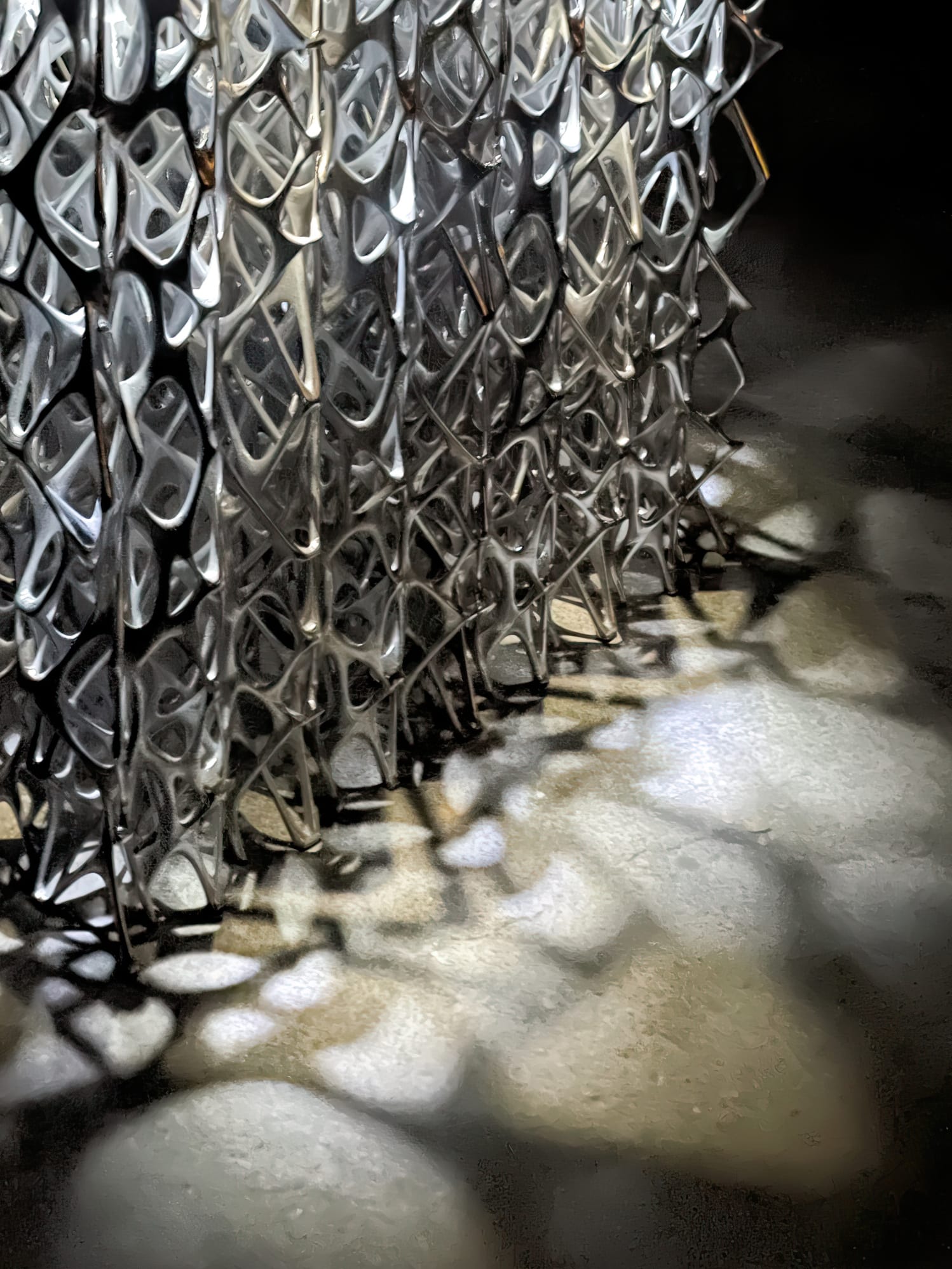
By reimagining the application of Peltier elements, Peltchair by Lilian van Daal and Studio Synergy presents a relatively underexplored yet compelling example of how natural structures and mechanisms can inform and shape design outcomes. Translating passive body heat into visible energy through illumination, the project demonstrates how natural systems, scientific principles and design innovation can converge to create new possibilities for energy-generating furniture.
If you're interested in learning more about Lilian van Daal and Studio Synergy or exploring a potential collaboration, you can visit their website to discover upcoming projects, ongoing research and the vision driving their work.
To stay up to date with more innovative design concepts and approaches like this, feel free to subscribe.
PROJECT DETAILS
Location: Netherlands
Product Designer: Lilian van Daal, Studio Synergy
Photography: Lilian van Daal, Studio Synergy