Heide Museum of Modern Art
A place where art, landscape and cultural memory converge, Heide Museum of Modern Art stands as a significant contribution to the story of Modern and Contemporary Art in Australia, while continuing to shape and influence its cultural scene.

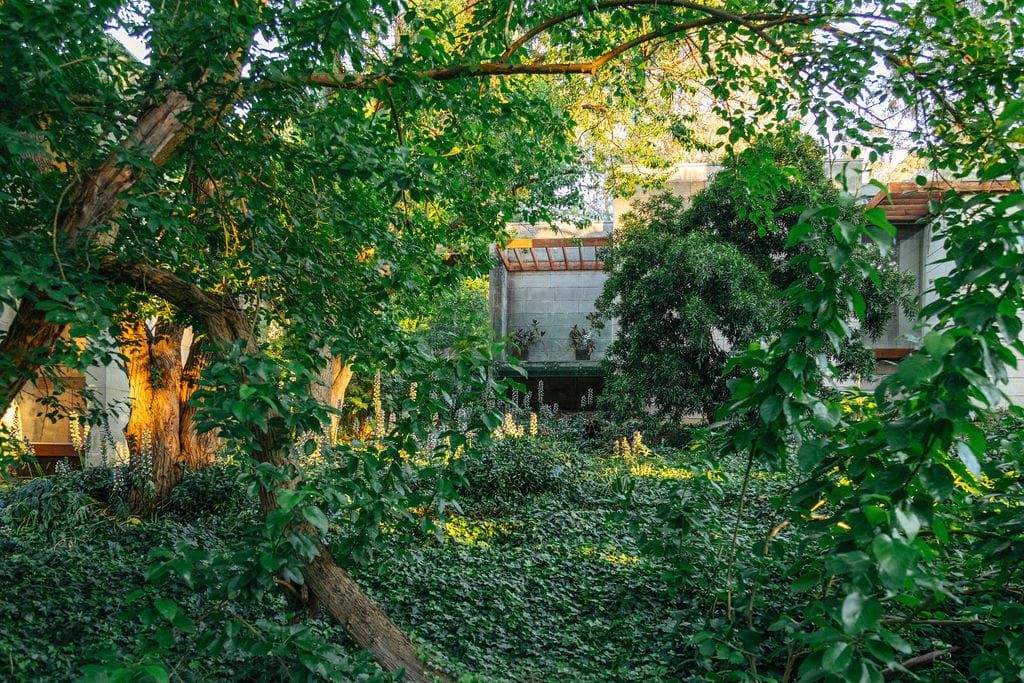
Situated in Bulleen along a graceful stretch of the Birrarung | Yarra River next to Banksia Park, Melbourne, the museum occupies land of deep cultural significance. This is the country of the Wurundjeri People, whose ancestral name for the river, Birrarung, meaning "river of mists and shadows", expresses the enduring relationship between the people of the land and the landscape.
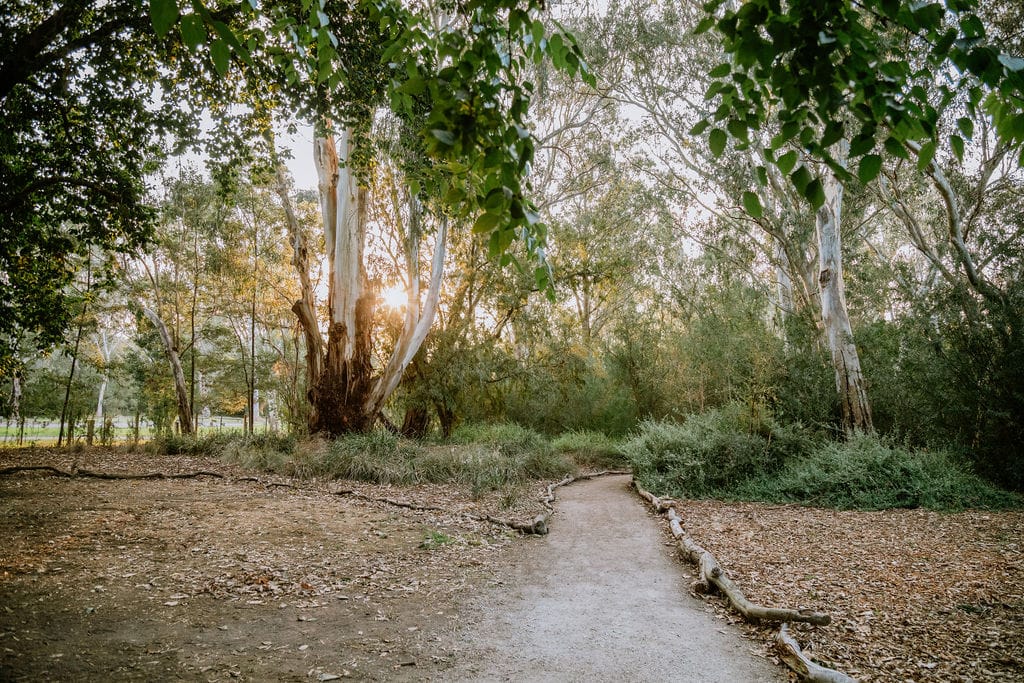
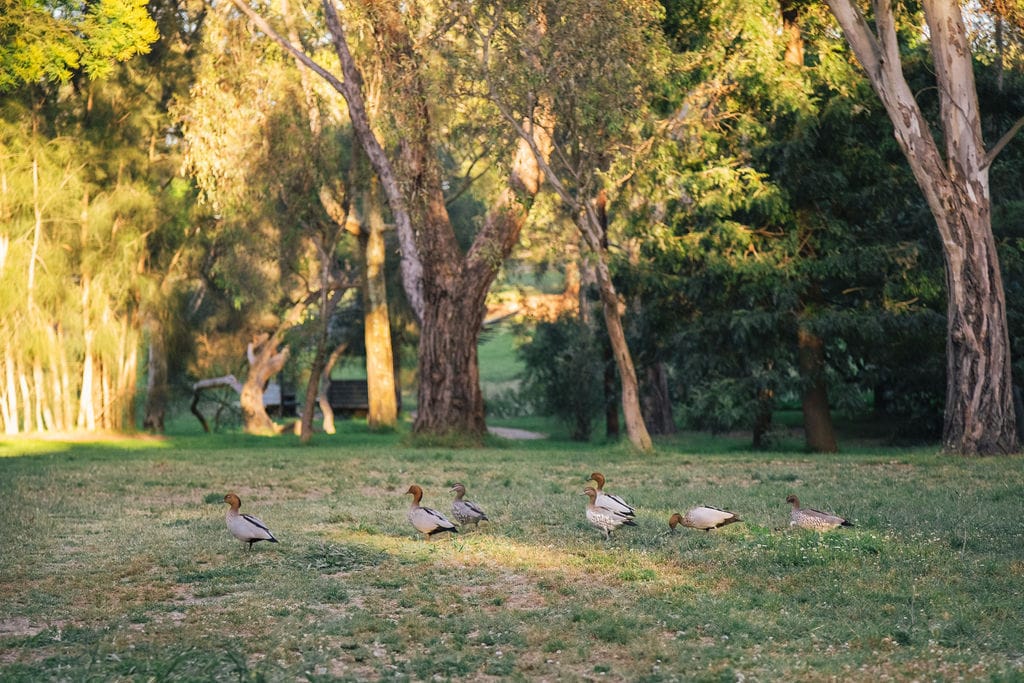
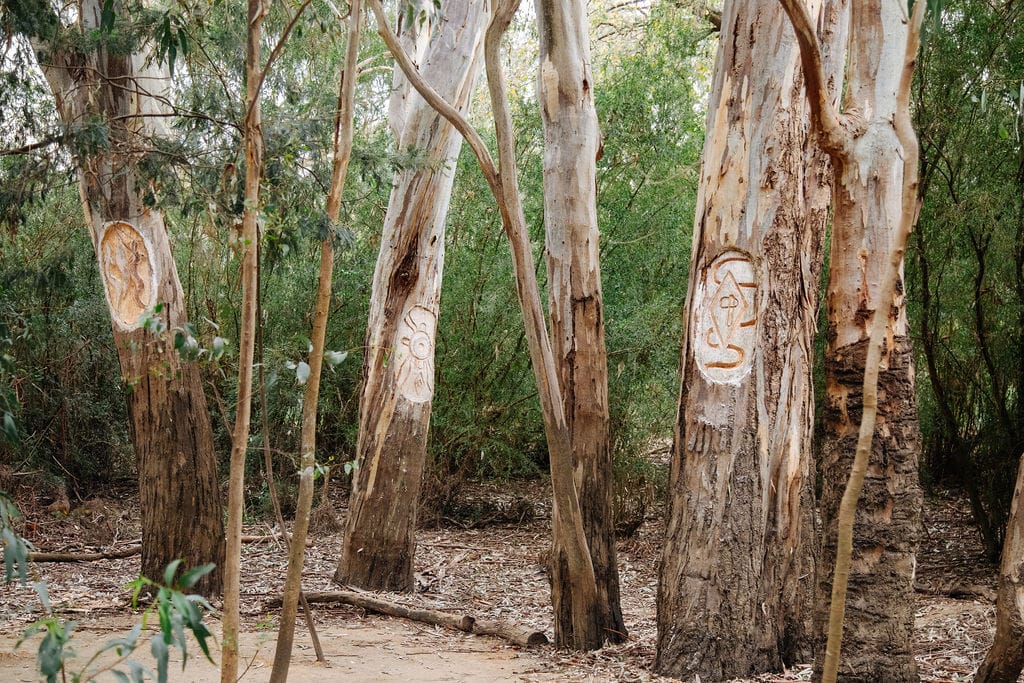
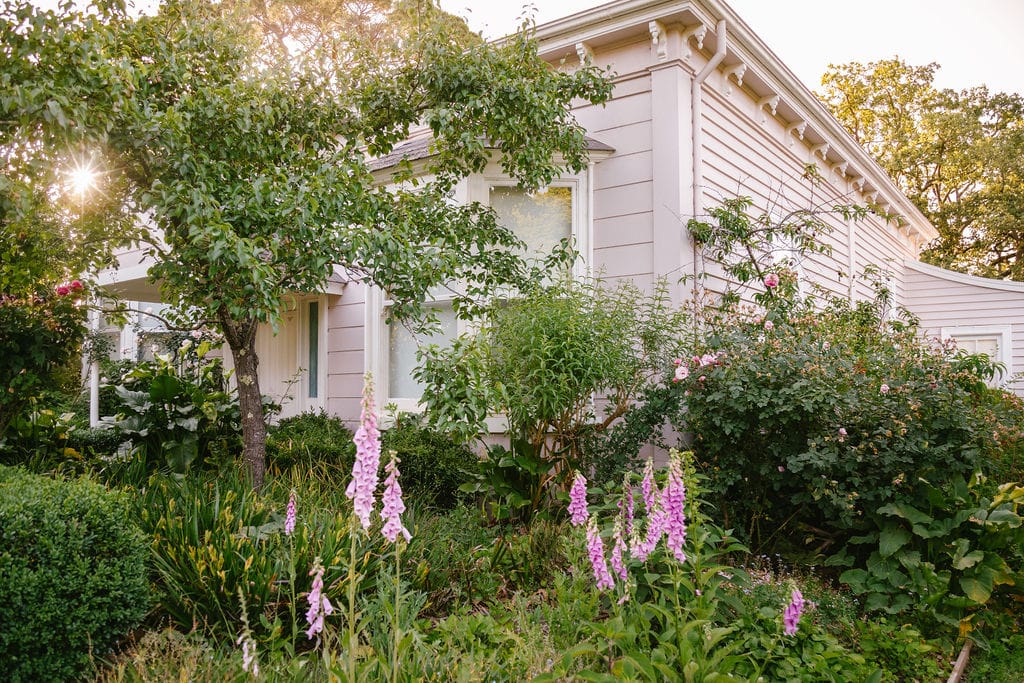
The site's more recent history traces back through late colonial grazing land and a working dairy farm, anchored by an original timber weatherboard farmhouse built in the 1870s. It was in 1934 that the art patrons John and Sunday Reed, purchased the six-hectare riverside property and made significant alterations to the now known Cottage, enlarging the kitchen wing, removing verandas, and giving it a French-provincial style farmhouse aesthetic. In naming their new home Heide, they paid tribute to the nearby Heidelberg School, the birthplace of Australian Impressionism. A gesture that quietly grew into the cultural significance they themselves would go on to cultivate.
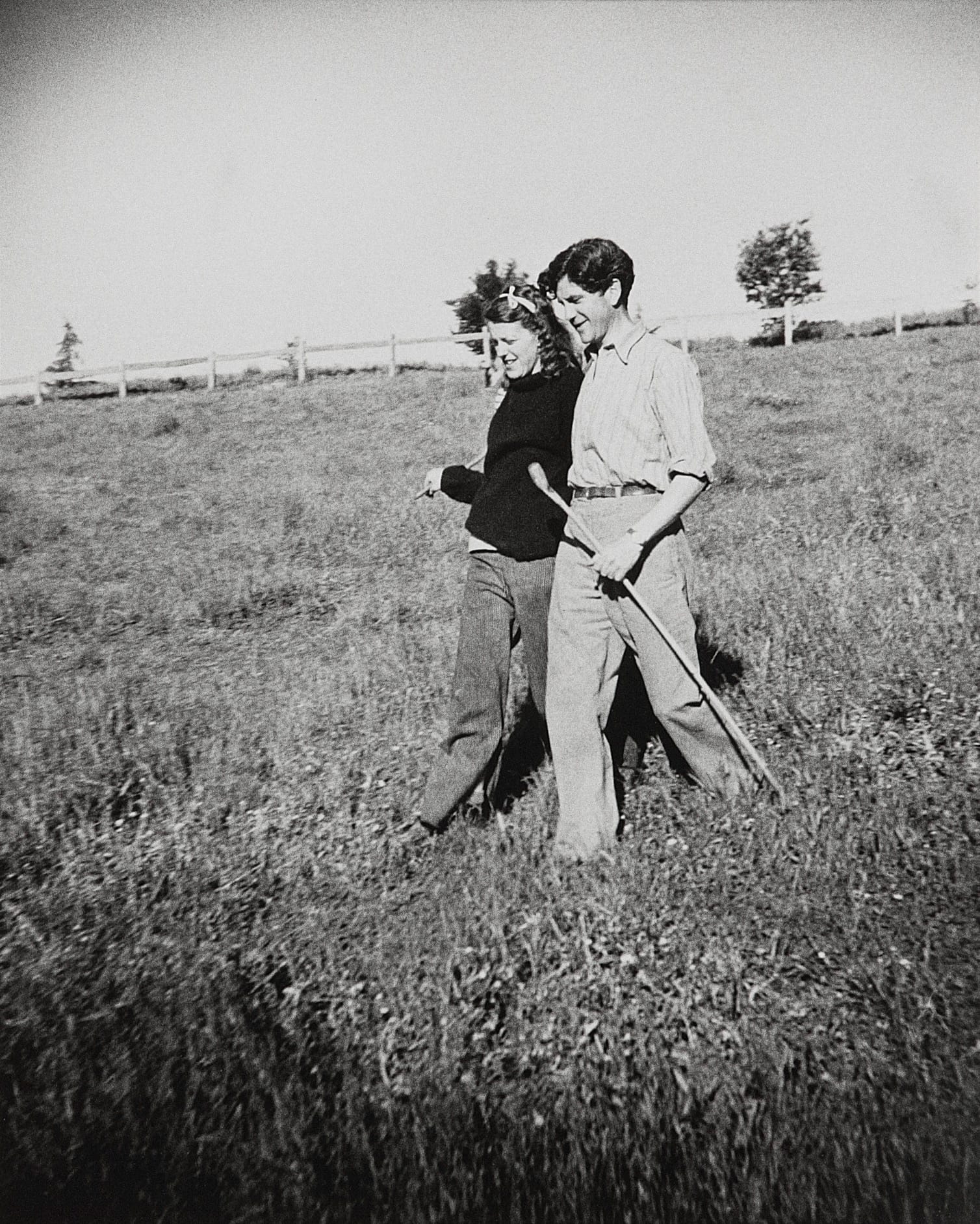
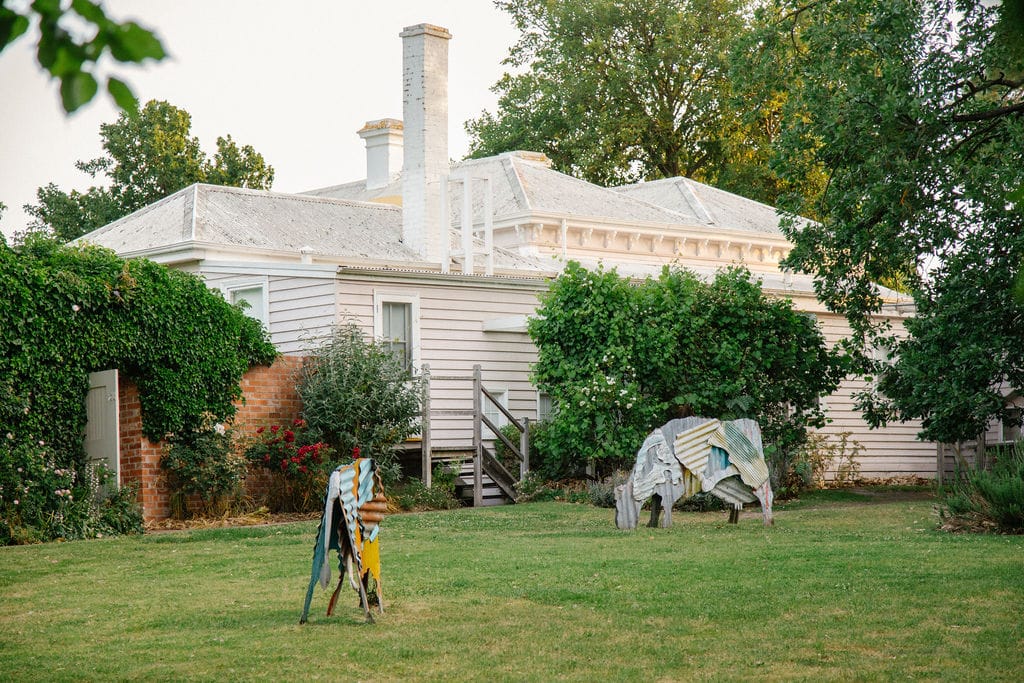
What followed was a remarkable chapter in Australian cultural life. The Reeds opened their home to a circle of artists, writers, and intellectuals whose work would come to define a generation. Among them Sidney Nolan, Albert Tucker, Joy Hester, John Perceval, and Danila Vassilieff. Heide Museum of Modern Art became a place not merely of residence, but of discussion, creation, and advocacy, a private home that functioned as a generative creative environment.
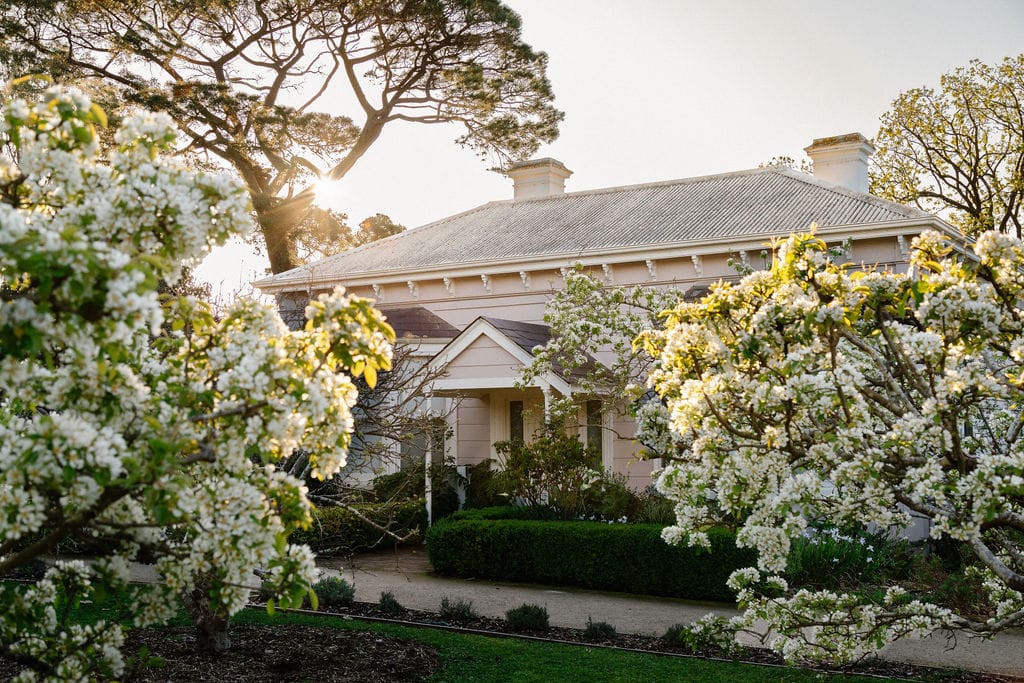
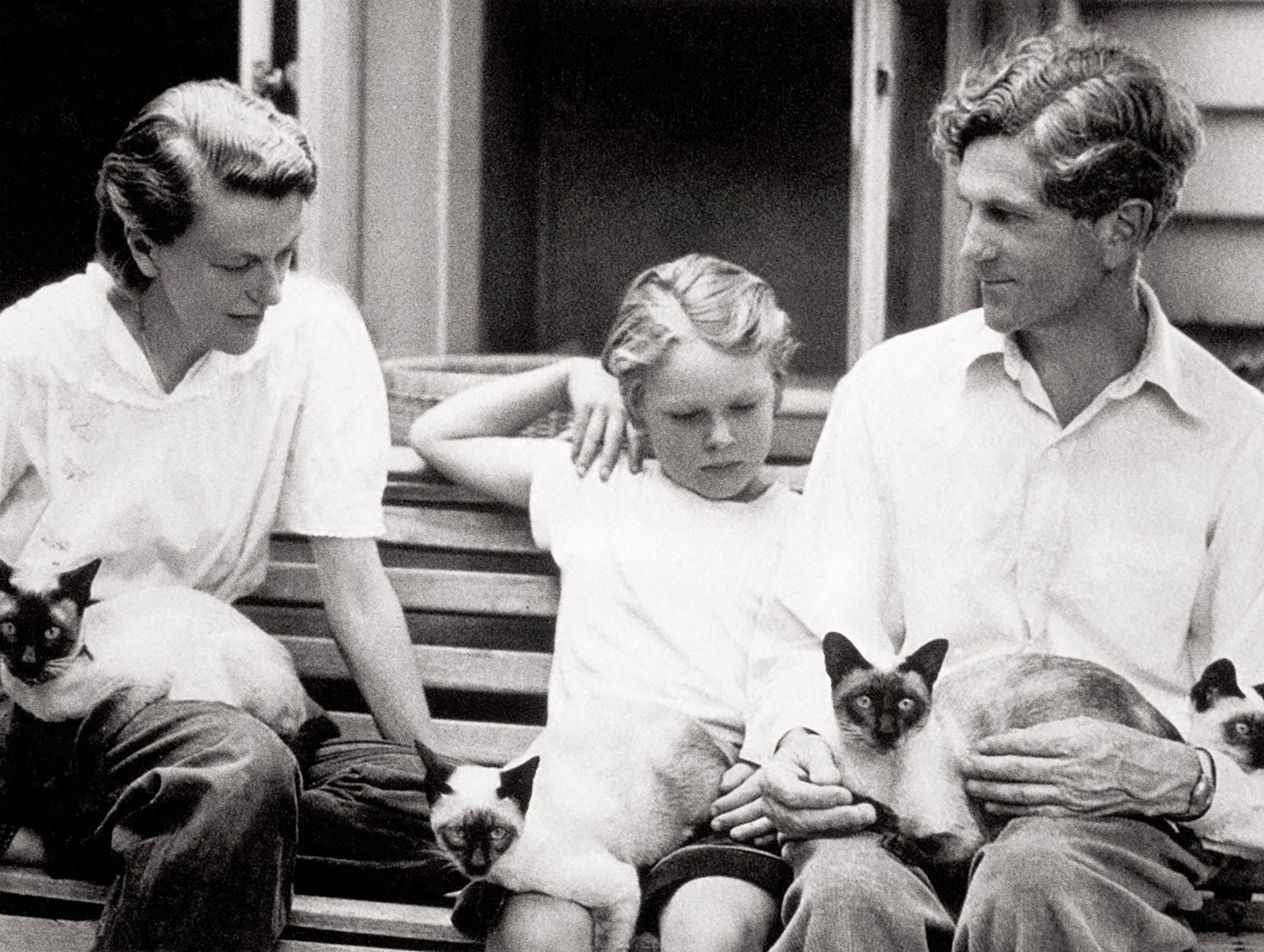
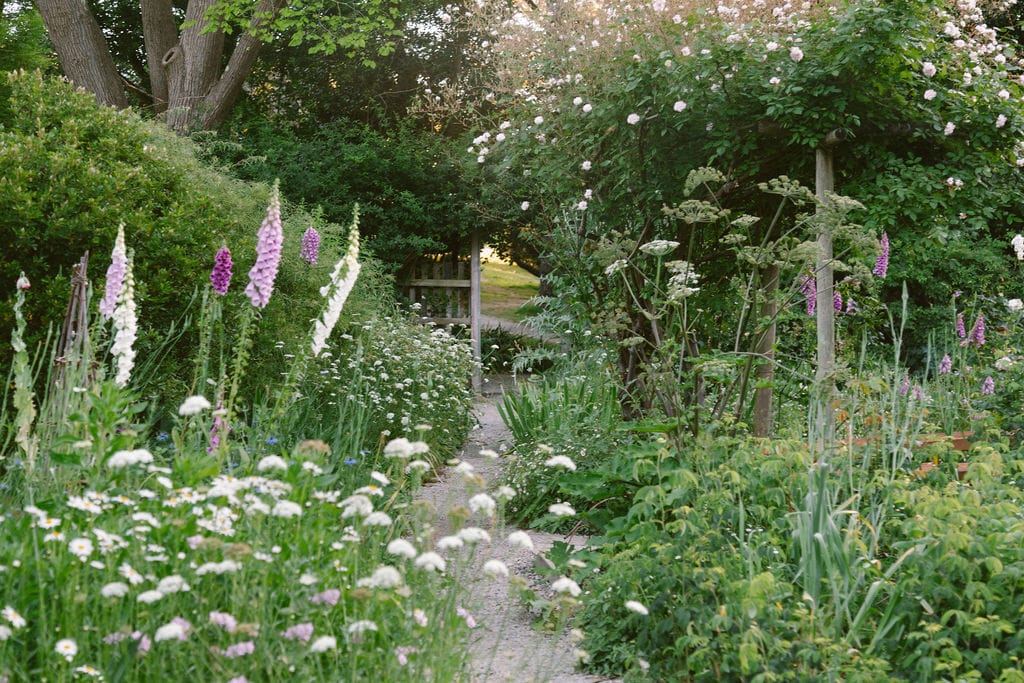
In 1938, the Reeds became founding contributors to the Contemporary Art Society, and through their publishing firm Reed and Harris, were able to support progressive literary voices throughout the 1940s, most notably through the prominent Angry Penguins magazine.
By the mid-1950s, John and Sunday had established Melbourne's Gallery of Contemporary Art, which was relaunched in 1958 as the Museum of Modern Art of Australia with the support of their friend and entrepreneur Georges Mora. This laid the formal foundations of the institution we know today as Heide Museum of Modern Art.
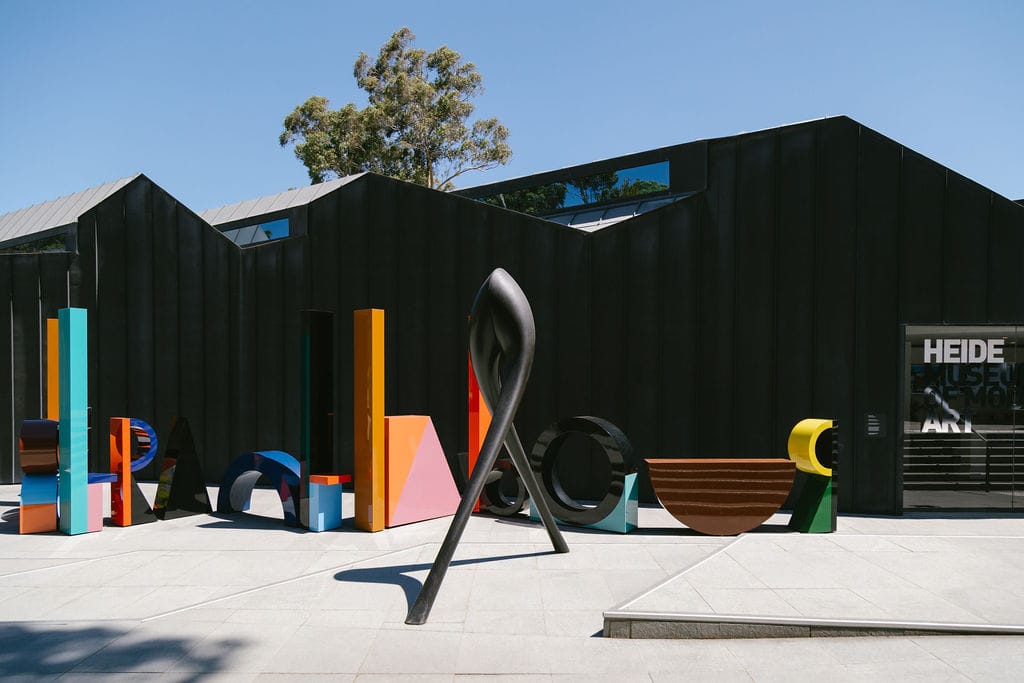
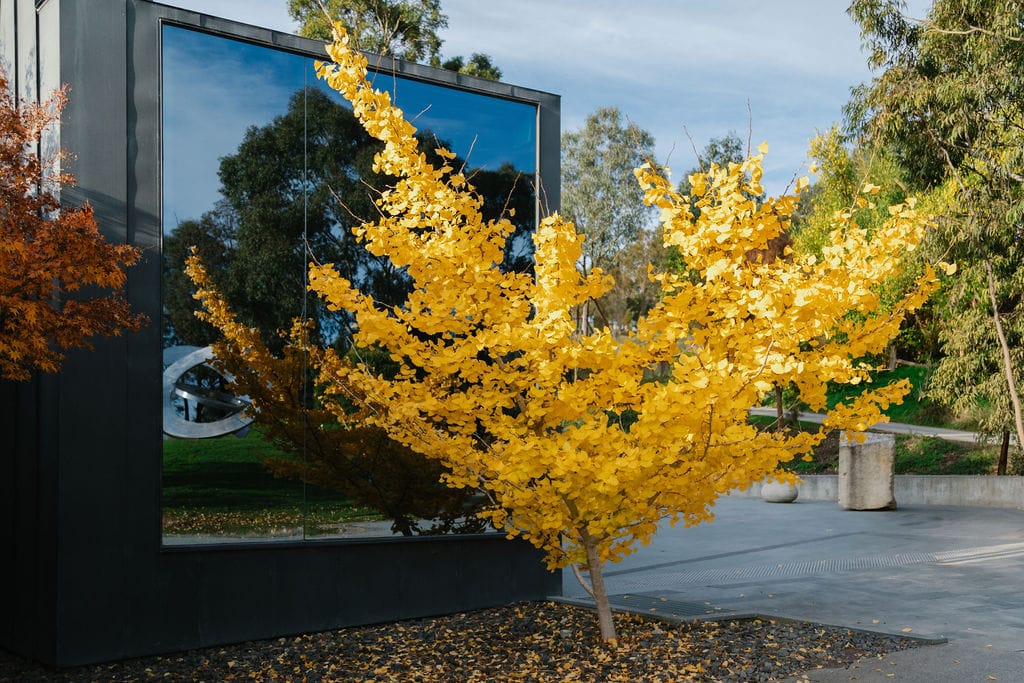
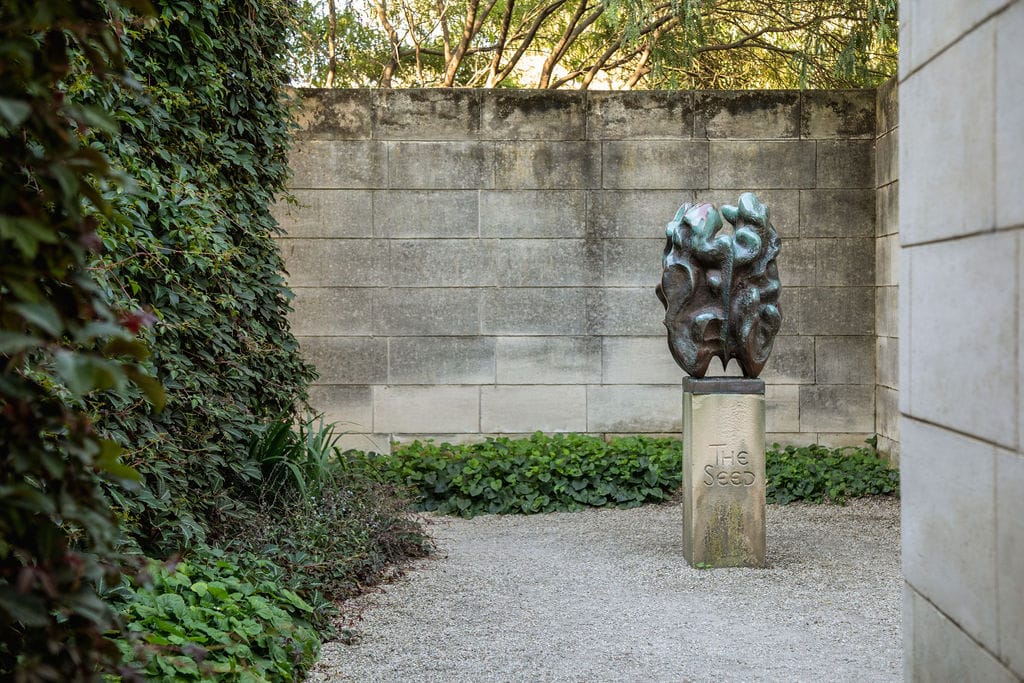
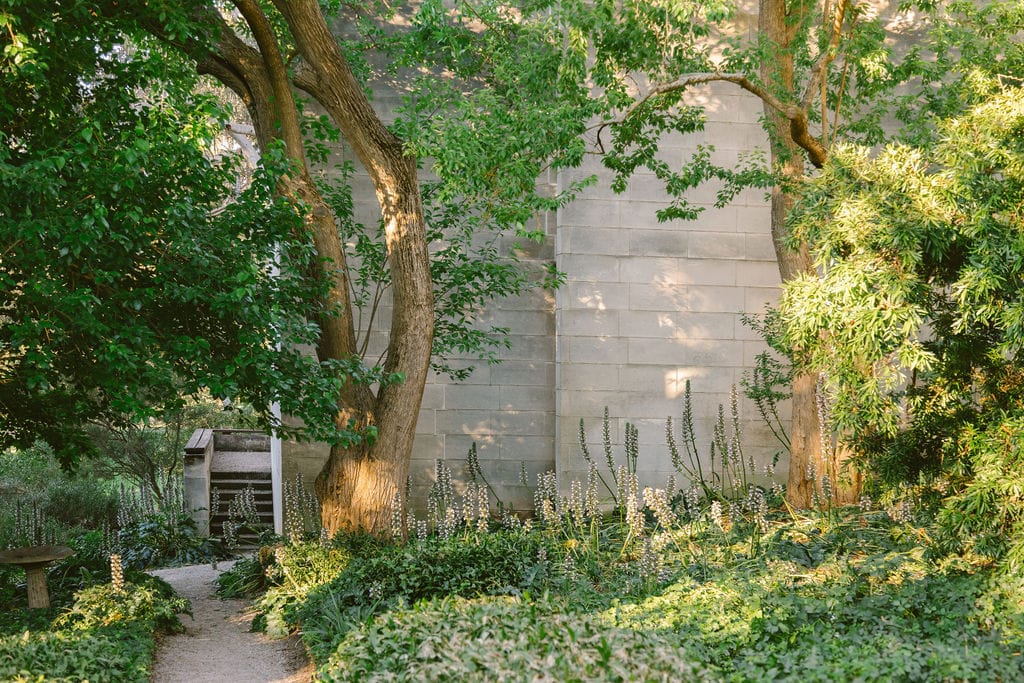
In 1963, the couple commissioned architect David McGlashan to design a modernist home on the property, conceived from the outset with the intention that it would one day open into a public gallery. The building carried that promise forward, and in November 1981, following its acquisition by the State Government on behalf of the people of Victoria, it opened as a Public Art Museum. John and Sunday Reed passed away shortly after, in December 1981 and only ten days apart.
Their vision marked a quiet and fitting conclusion to a life devoted to art and to culture. Heide Museum of Modern Art endures as a landmark for artists across Australia, where the devotion of the Reeds remains not only visible, but very much alive, carried forward through the care of its dedicated staff, volunteers and the institution's ongoing commitment to continuing their vision.
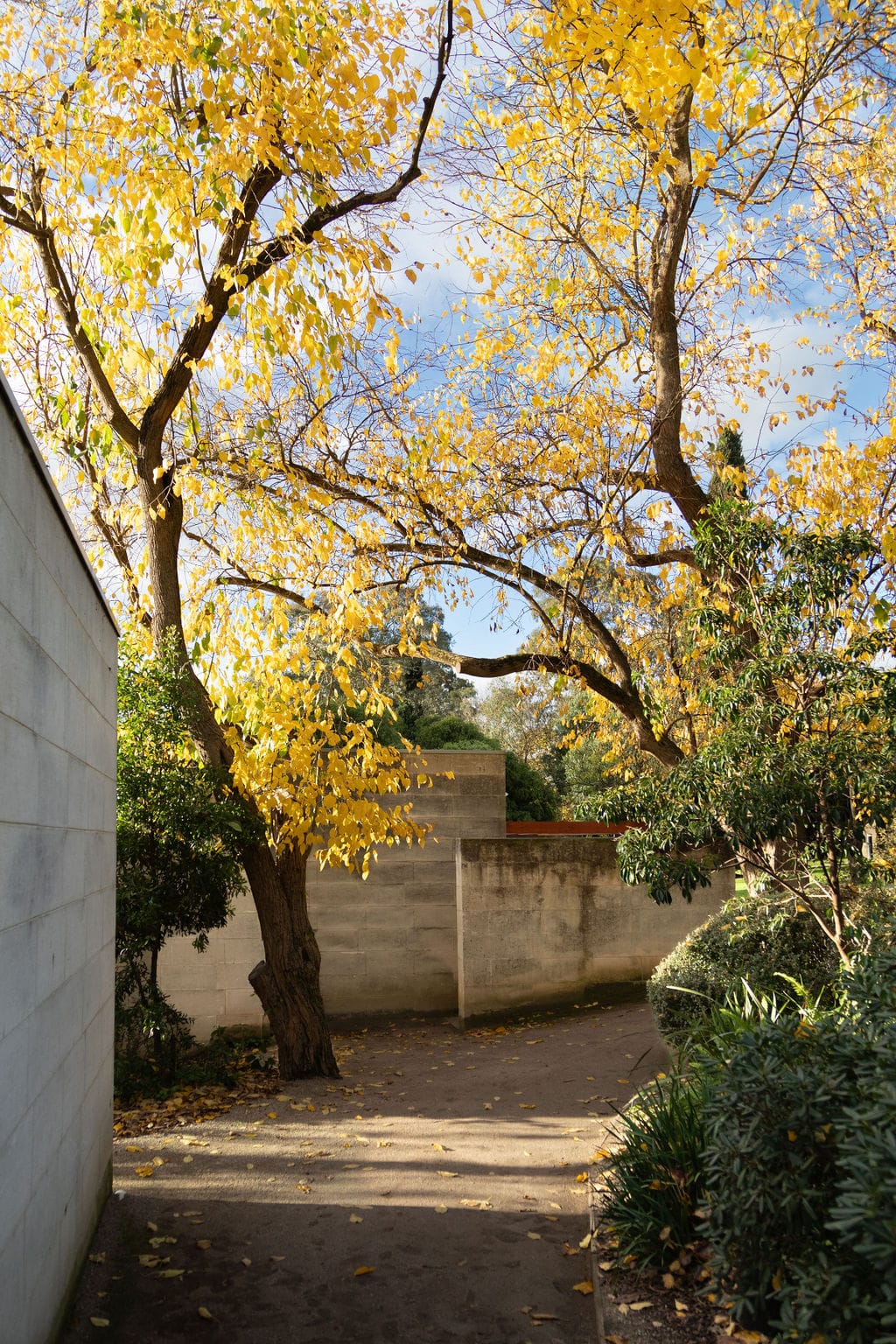
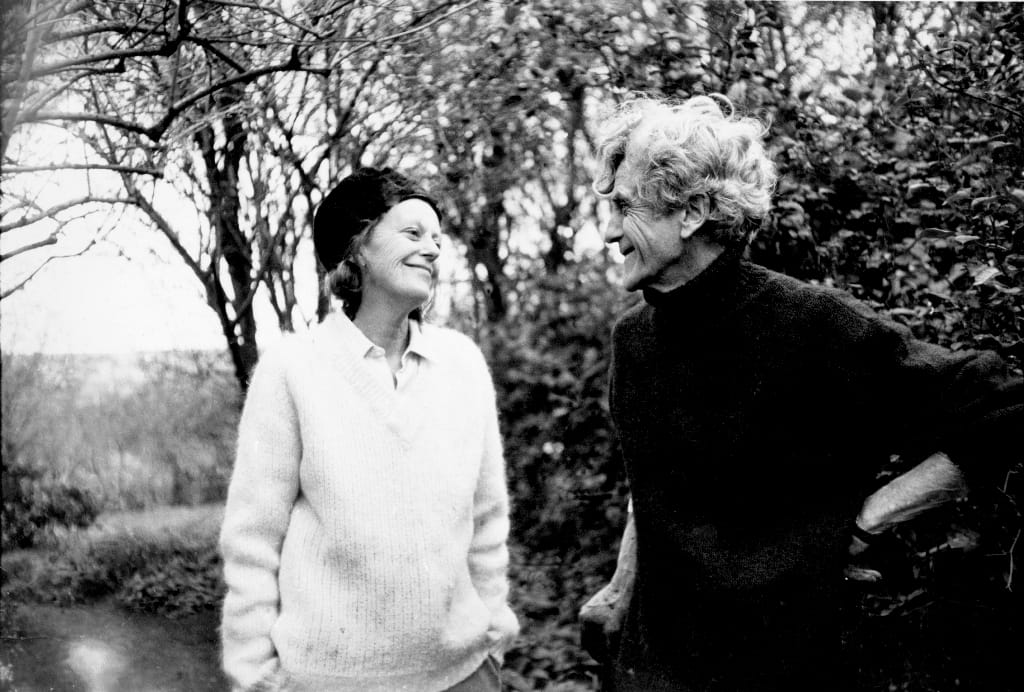
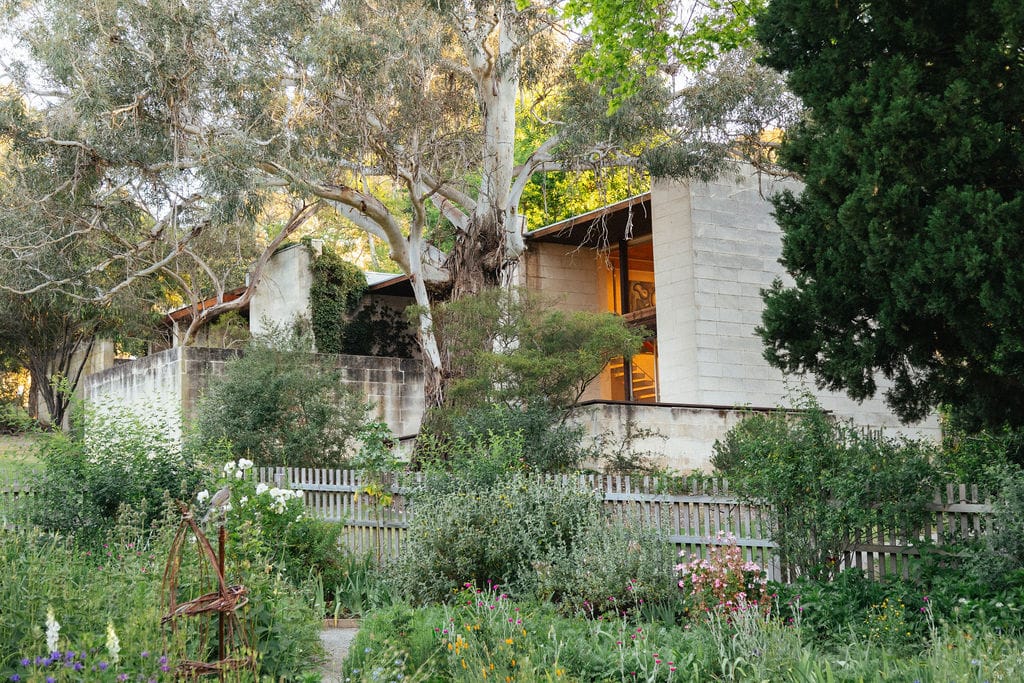
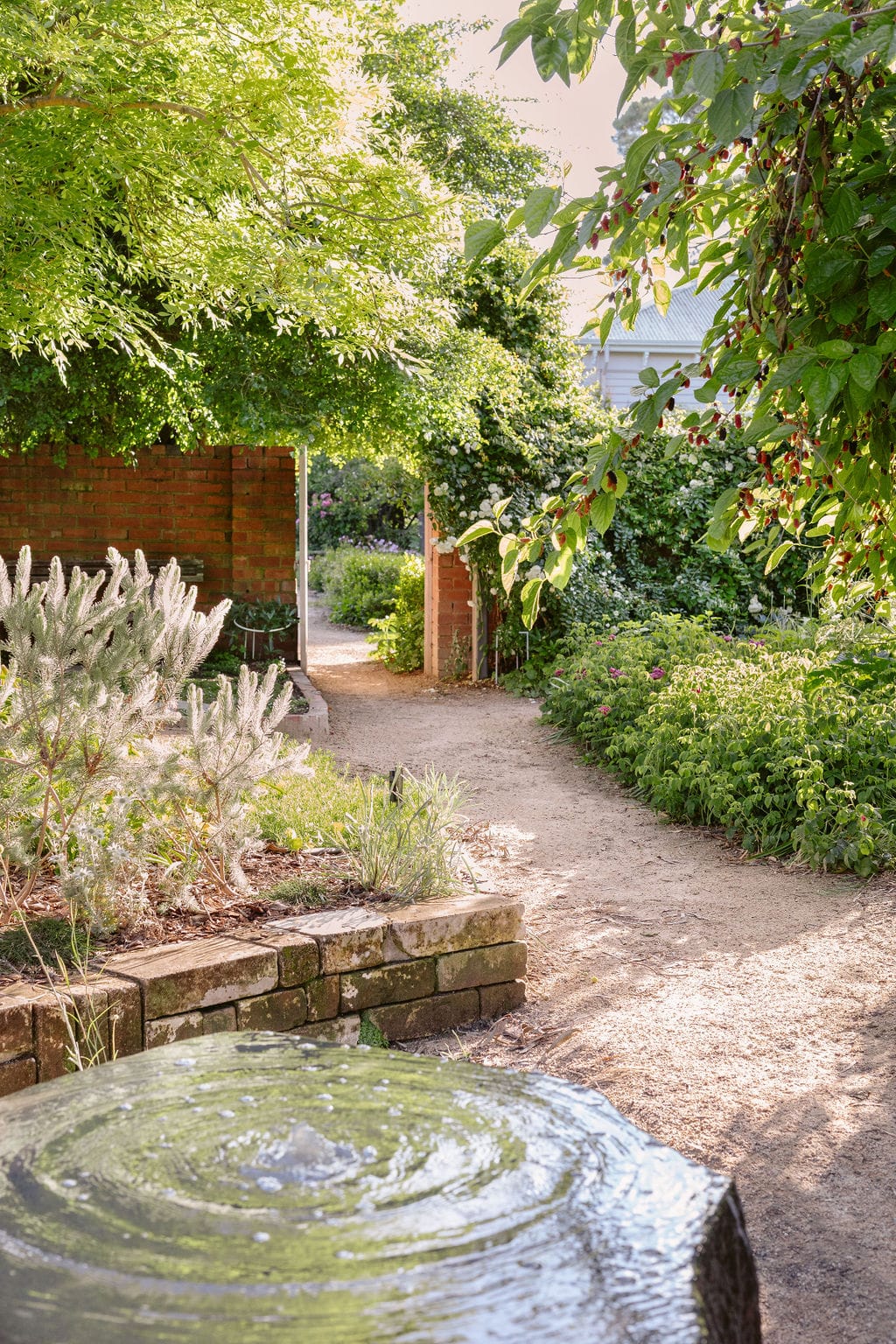
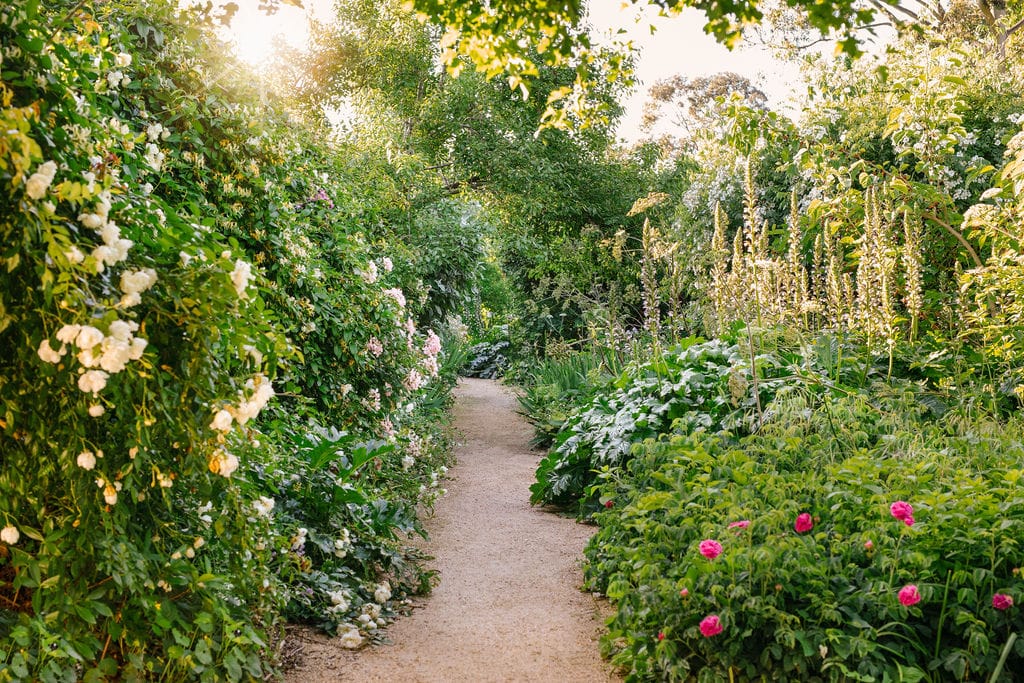
The grounds of Heide Museum of Modern Art continue to hold space for creative inspiration and dialogue. Remaining a place of pilgrimage for artists, thinkers, and those drawn to the intersection of art, architecture and landscape. A testament to what becomes possible when private passion is offered, generously, to the public good.
If you'd like to stay up to date with upcoming exhibitions and events at Heide Museum of Modern Art, feel free to subscribe to Architravels or visit Heide's website for guided tours, exhibition information, and tickets.