
Solara by The Sociable Weaver
This project brings passive solar design, Feng Shui principles and a material palette drawn from the coastal landscape into a home designed around an active family life.

This project brings passive solar design, Feng Shui principles and a material palette drawn from the coastal landscape into a home designed around an active family life.
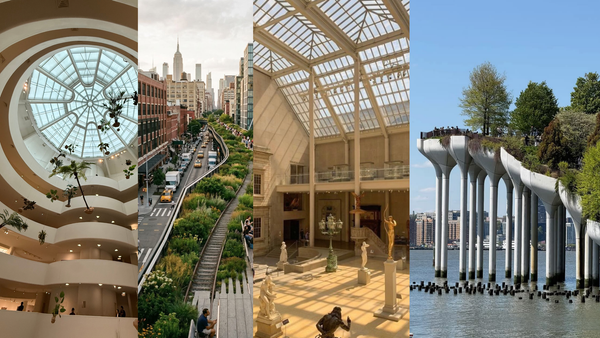
New York became a global centre for architecture, art and design throughout the 20th century, from MoMA’s 1932 Modern Architecture exhibition to the post-war years, when the city came to be widely seen as the new centre of the Western art world.

Enlarged photographs hang from fine wires, weighted by cobblestones, this exhibition invites visitors to step into 1930s Paris through Brassaï's lens.
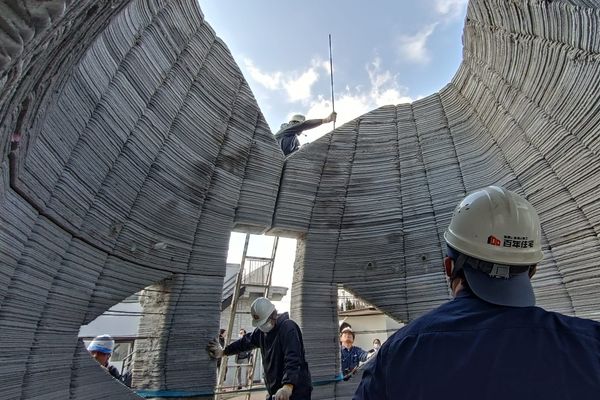
By combining in situ 3D printing with an adaptable spherical geometry, this project explores how additive manufacturing could reshape the way small homes are designed, fabricated and delivered.
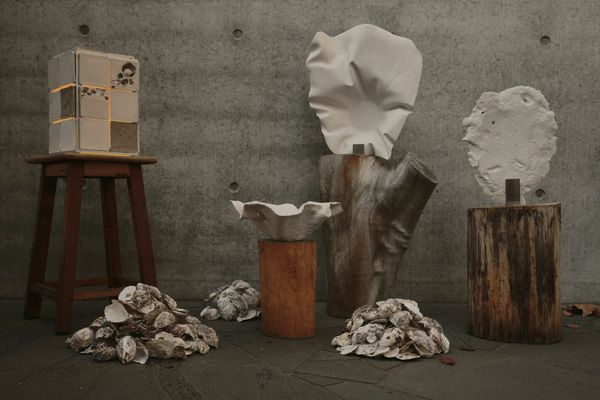
Developed from discarded oyster shells, this project transforms a hospitality by-product into a tactile bioceramic for interiors and spatial applications.

Located in the community of Huaticocha, within the buffer zone of the Sumaco Biosphere Reserve in the Ecuadorian Amazon, this laboratory is grounded in a strategic approach to advancing social, economic and environmental awareness.
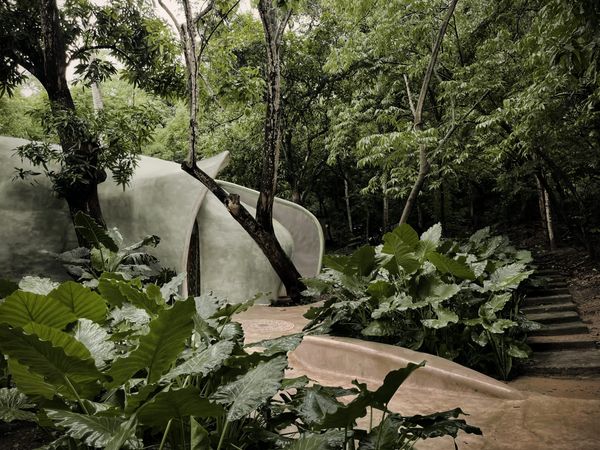
Situated within the jungle of Yelapa, Mexico, this project explores the relationship between architecture and wellbeing, using form and mathematical constants to shape a holistic and sensory experience.
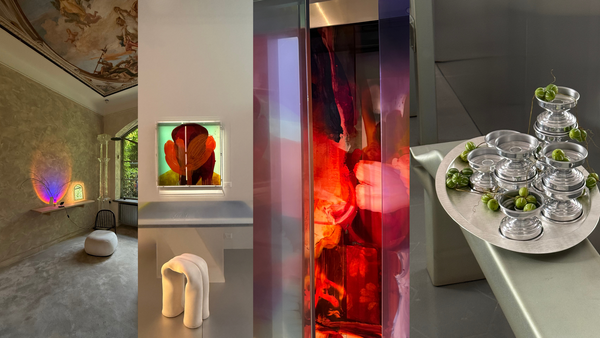
Milan became a global design hub throughout the 20th century, especially during the post-war period, when architects, designers, manufacturers and cultural institutions shaped modern Italian design.
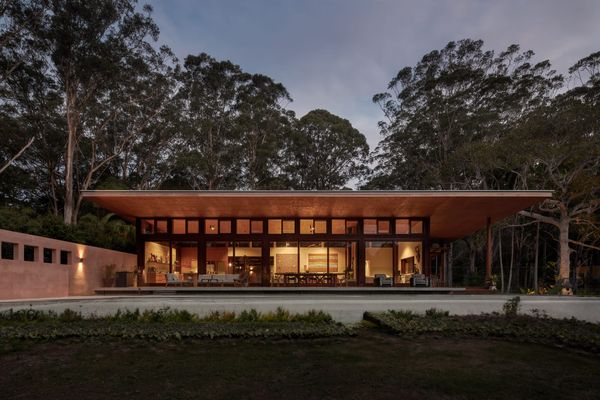
Through passive design principles and bio-based materials, including hempcrete, lime render and timber, this family home was thoughtfully embedded within its natural surroundings, inviting a broader conversation about healthy homes and natural building principles.
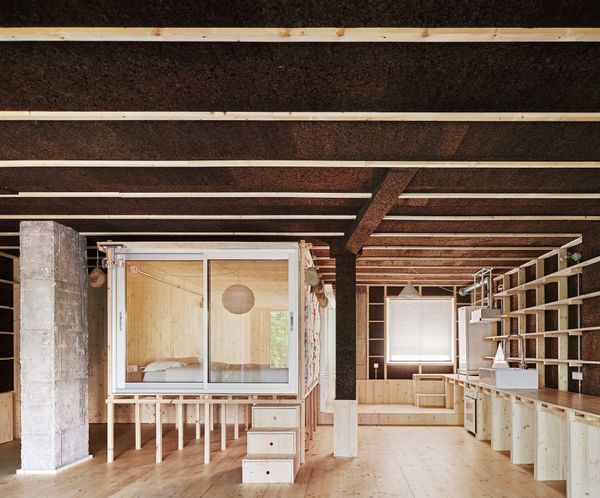
Shaped by the climatic conditions of its surrounding landscape and a series of programatic interventions, this family home introduces environmental conscious design strategies and reinterprets conventional domestic organisation.
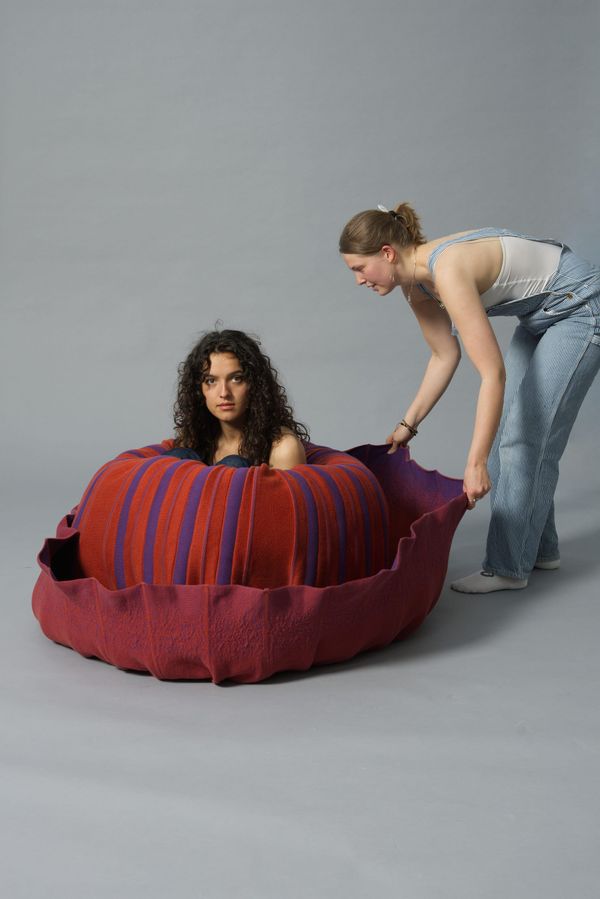
This project explores how insights from psychological patterns can inform the development of design objects, encouraging human interaction.
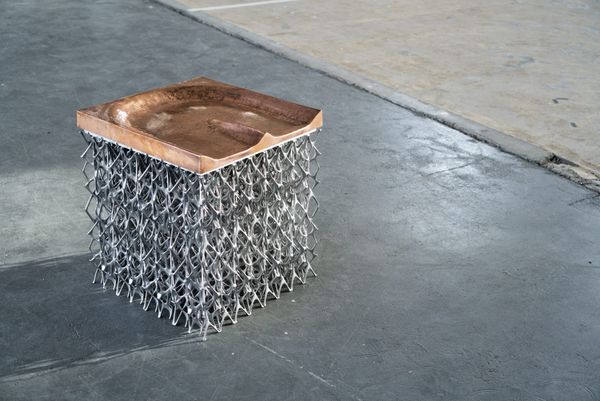
This project explores nature informed strategies on how energy can be generated from passive body heat and translated into illuminated design outcomes.