Milan Design Guide
Milan became a global design hub throughout the 20th century, especially during the post-war period, when architects, designers, manufacturers and cultural institutions shaped modern Italian design.

Villa Necchi Campiglio
1935 - 1936 | Architect: Piero Portaluppi
Hidden behind its elegant garden walls, Villa Necchi Campiglio is one of Milan’s most significant examples of 1930s Italian modernist architecture. Designed by architect Piero Portaluppi, the residence reflects the sophistication of Milan’s industrial elite through its rationalist structure, refined interiors and carefully curated art collection. Its innovative design, including Milan’s first private swimming pool, embodied a forward-looking vision of domestic life at the time. Today, the villa offers a rare insight into the relationship between architecture, design and domestic life in 20th-century Milan.
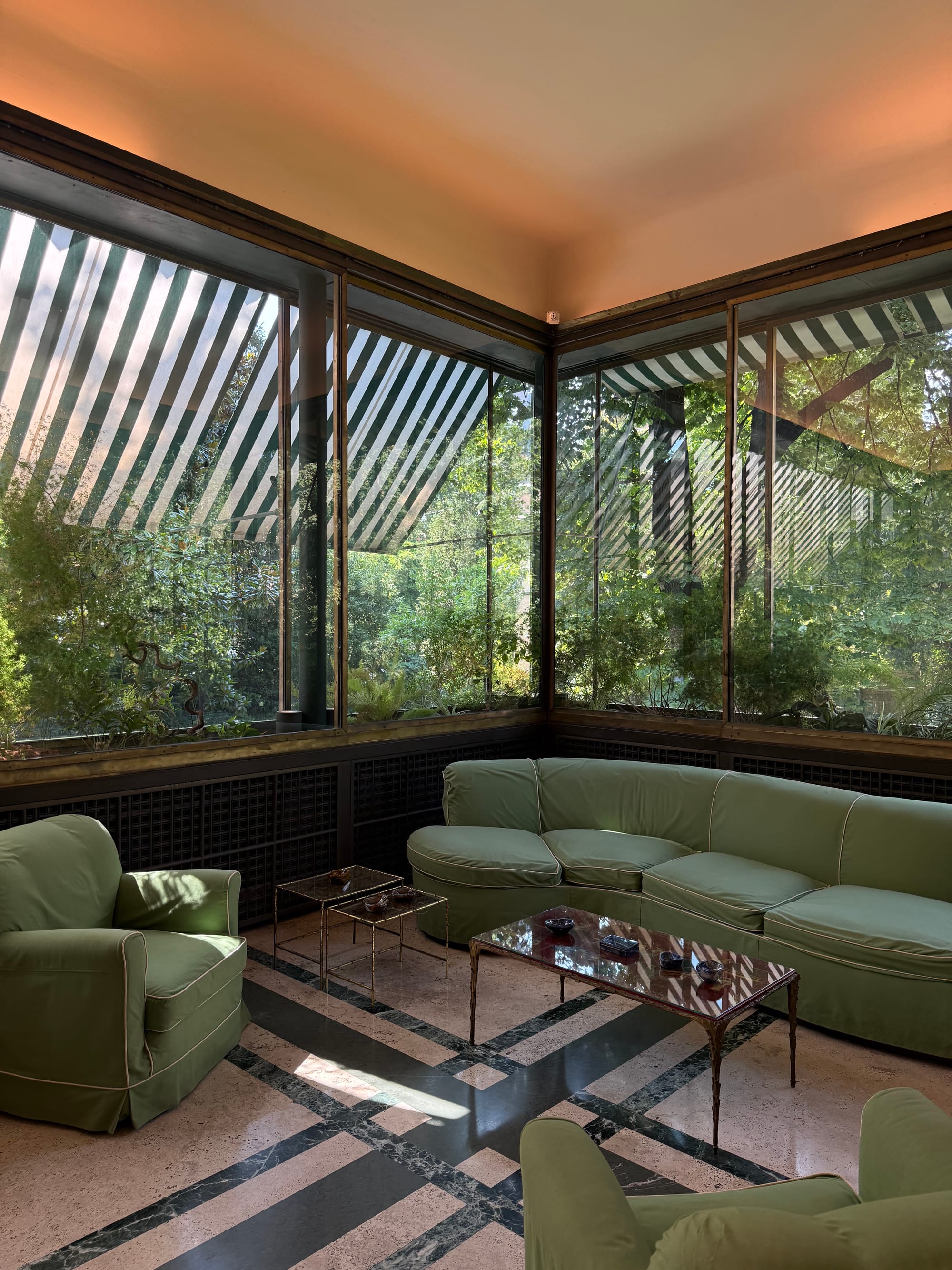
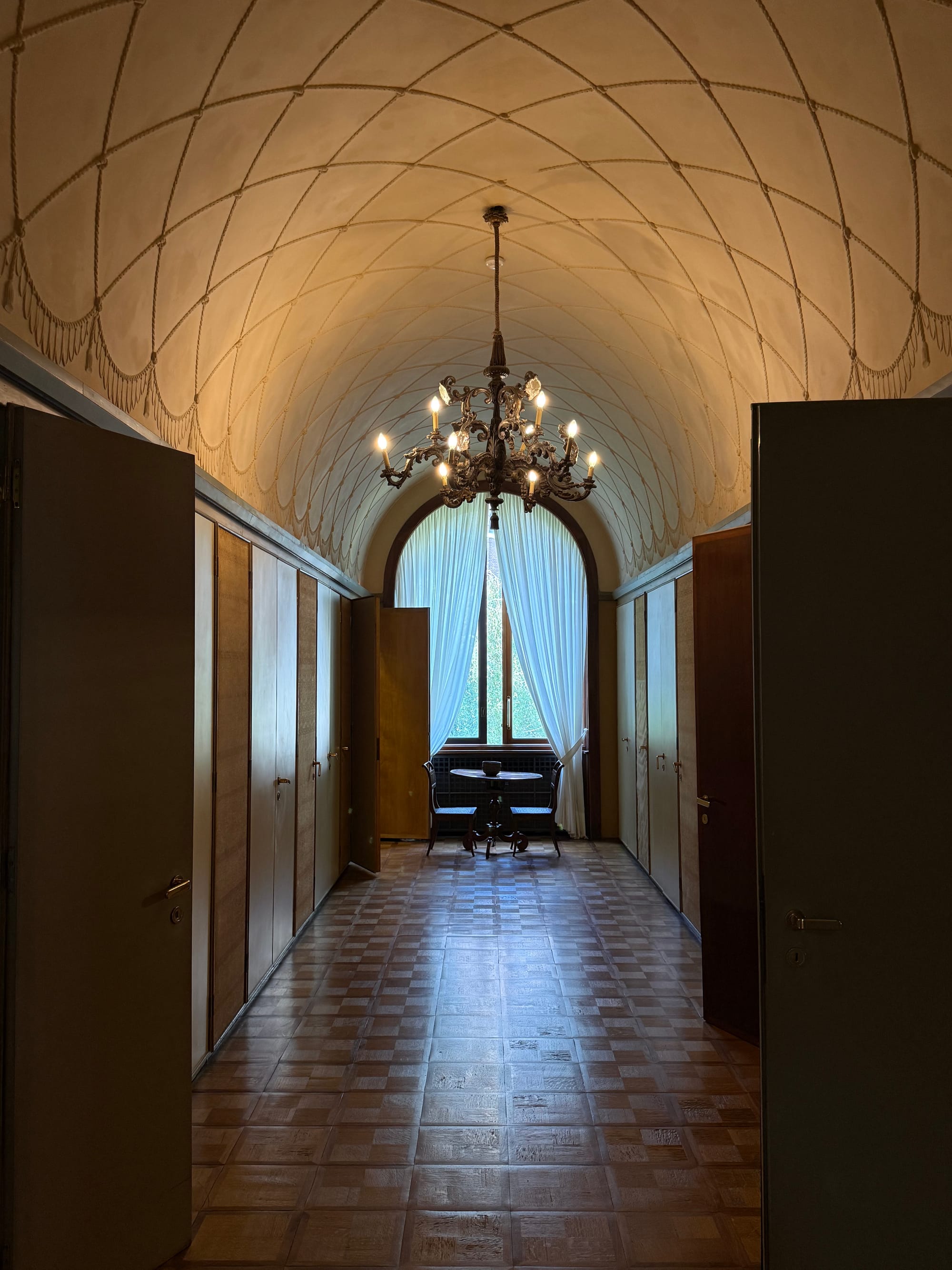
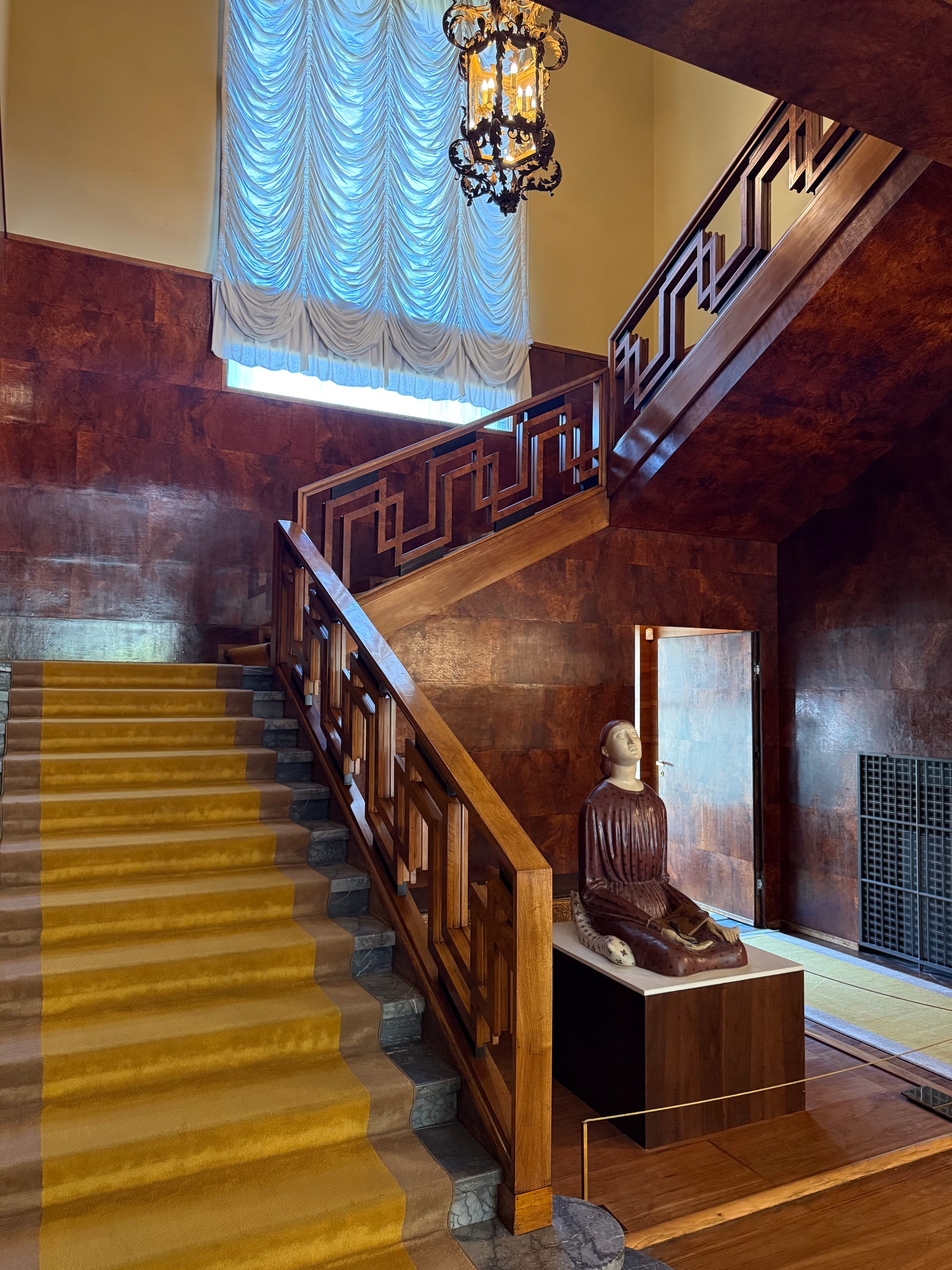
Villa Necchi Campiglio by Piero Portaluppi. Photography by Taïma Matthes.
Basilica di Sant’Ambrogio
Founded in the 4th century | Early Christian Basilica, later transformed through Romanesque architecture
Dating back to the 4th century, Basilica di Sant’Ambrogio is one of Milan’s oldest and most important architectural landmarks. Considered a masterpiece of Lombard Romanesque architecture, the basilica reveals centuries of craftsmanship through its brickwork, courtyards and carefully preserved spatial composition.
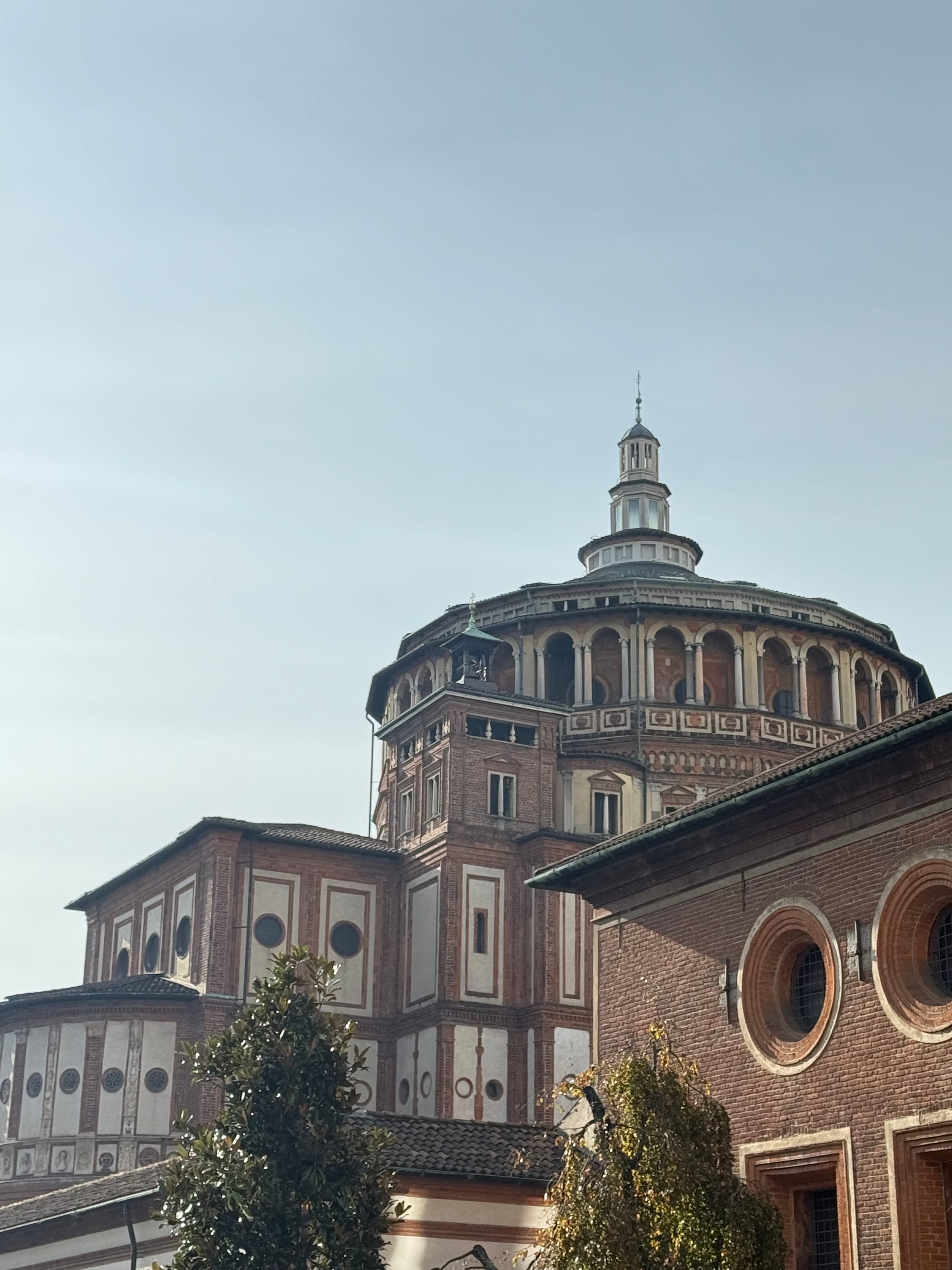
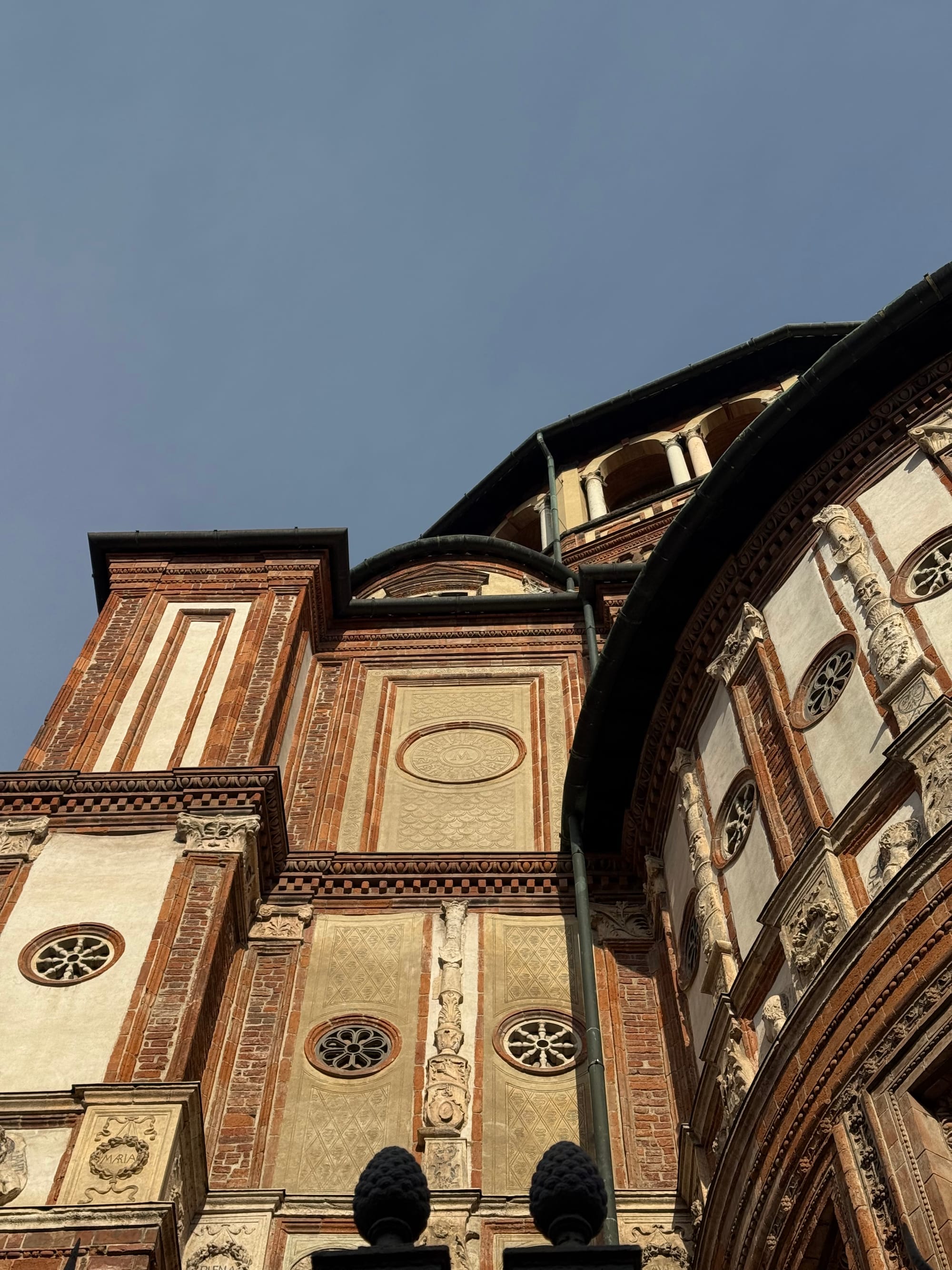
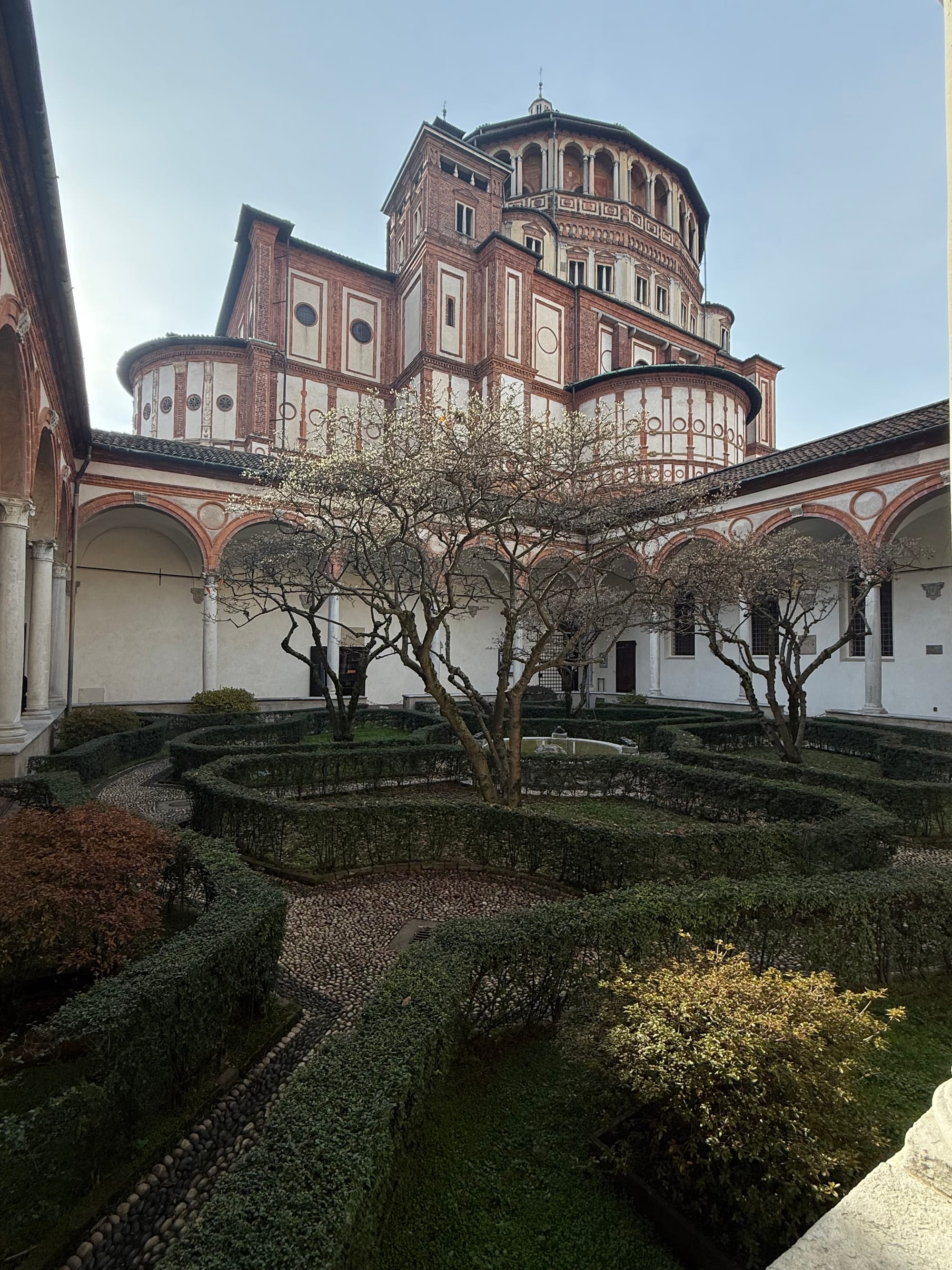
Basilica di Sant’Ambrogio. Photography by Taïma Matthes.
Rossana Orlandi
2002 | Founder: Rossana Orlandi
Located within a former tie factory, Rossana Orlandi has become one of Milan’s most influential destinations for contemporary and collectible design. Founded by renowned gallerist Rossana Orlandi, the space curates emerging designers, experimental objects and unconventional creative approaches.
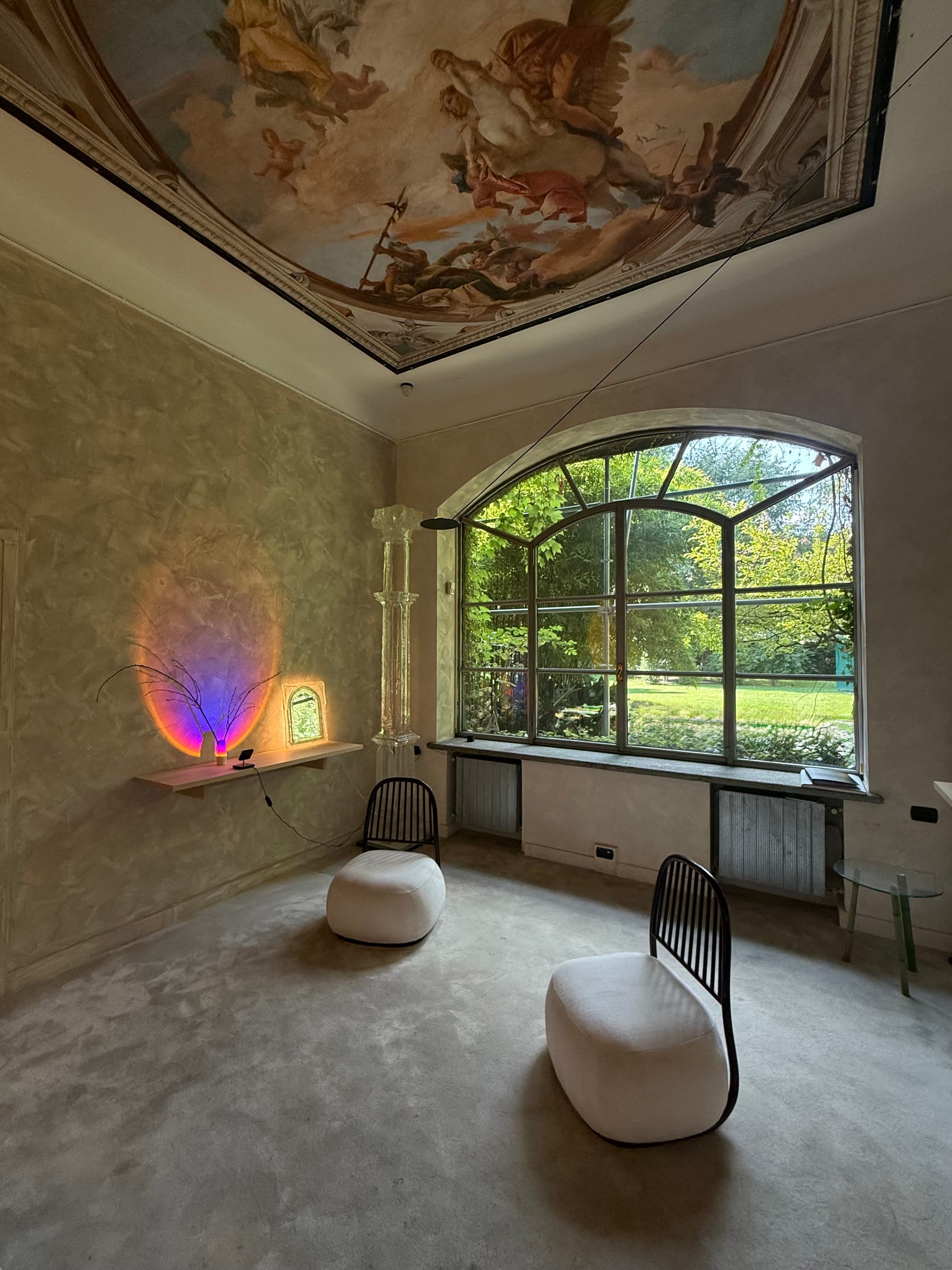
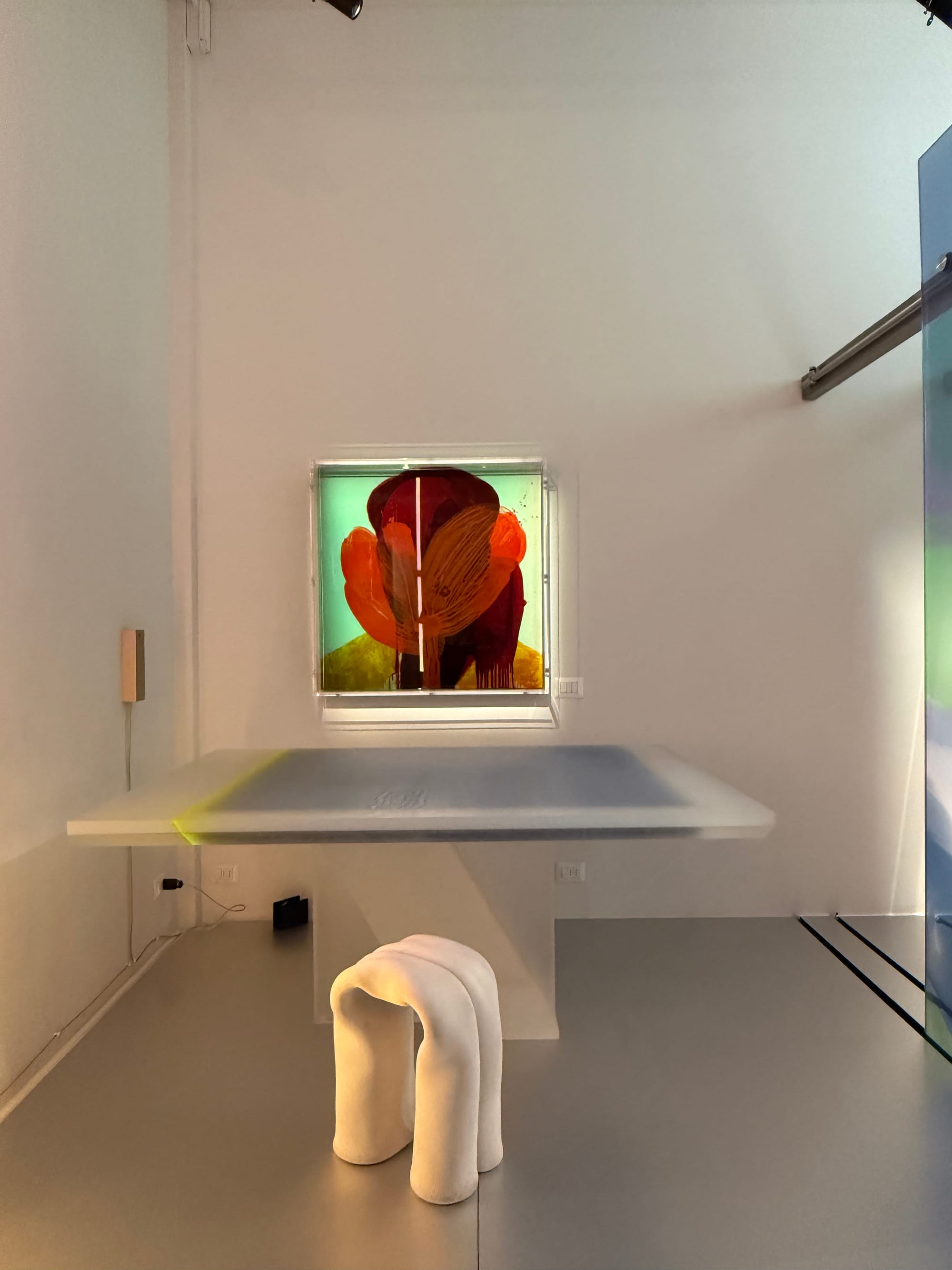
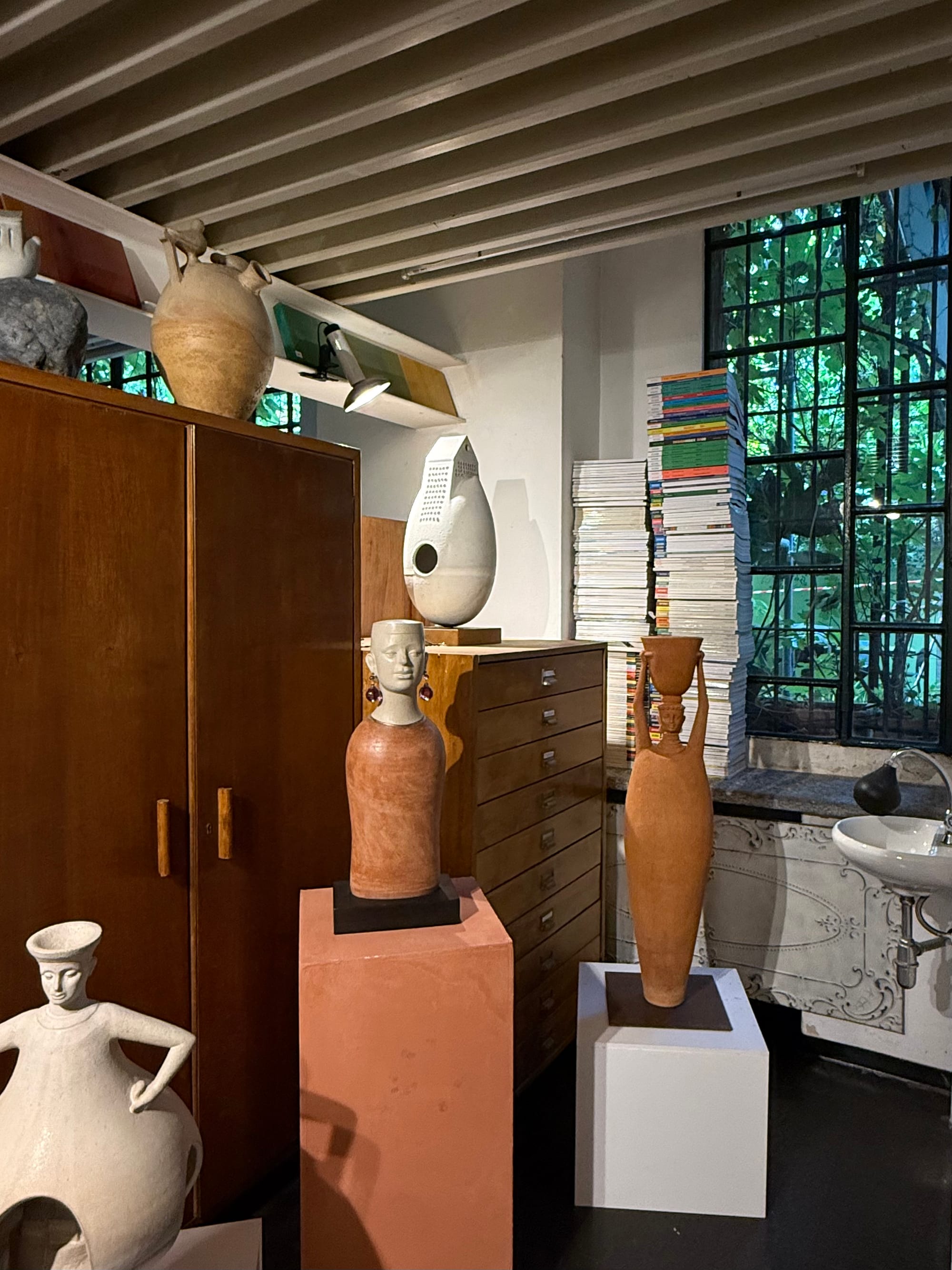
Rossana Orlandi. Photography by Taïma Matthes.
Nilufar Depot
2015 | Founder: Nina Yashar
Set within a former silver factory, Nilufar Depot is a landmark destination for collectible design in Milan. Founded by Nina Yashar, the gallery creates dialogues between historic design icons and contemporary creators, presenting furniture and objects as cultural artefacts rather than functional products.
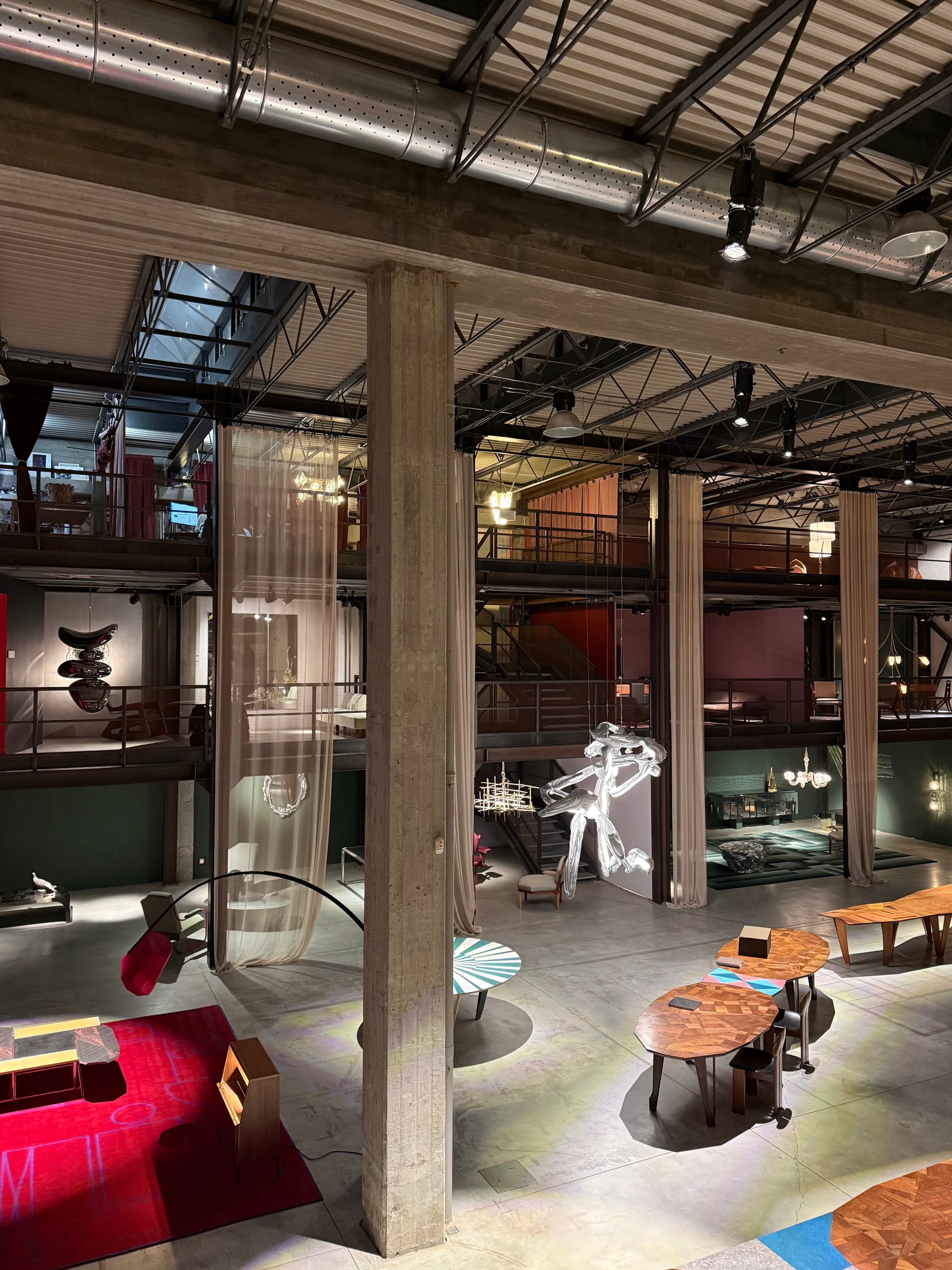
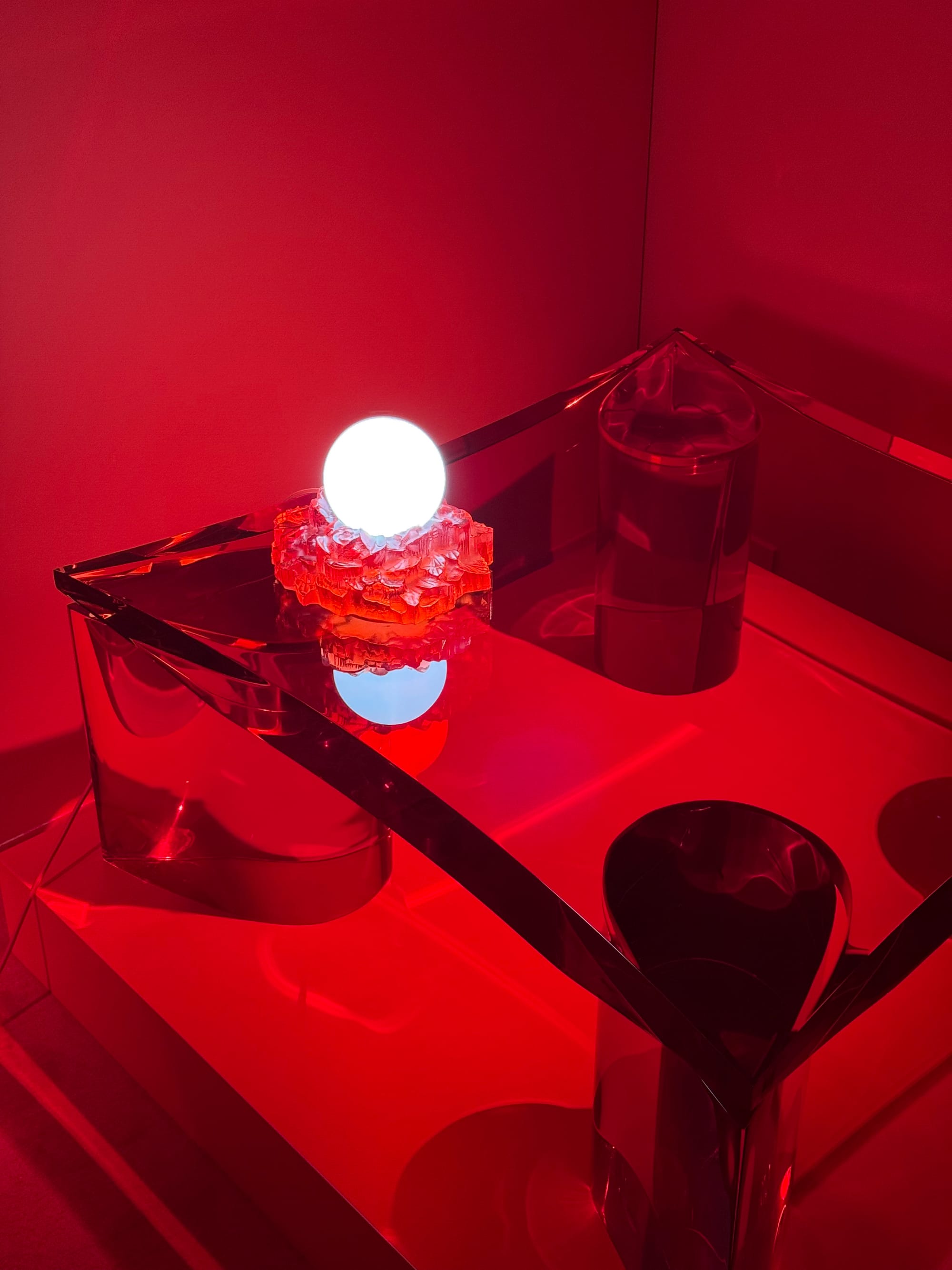
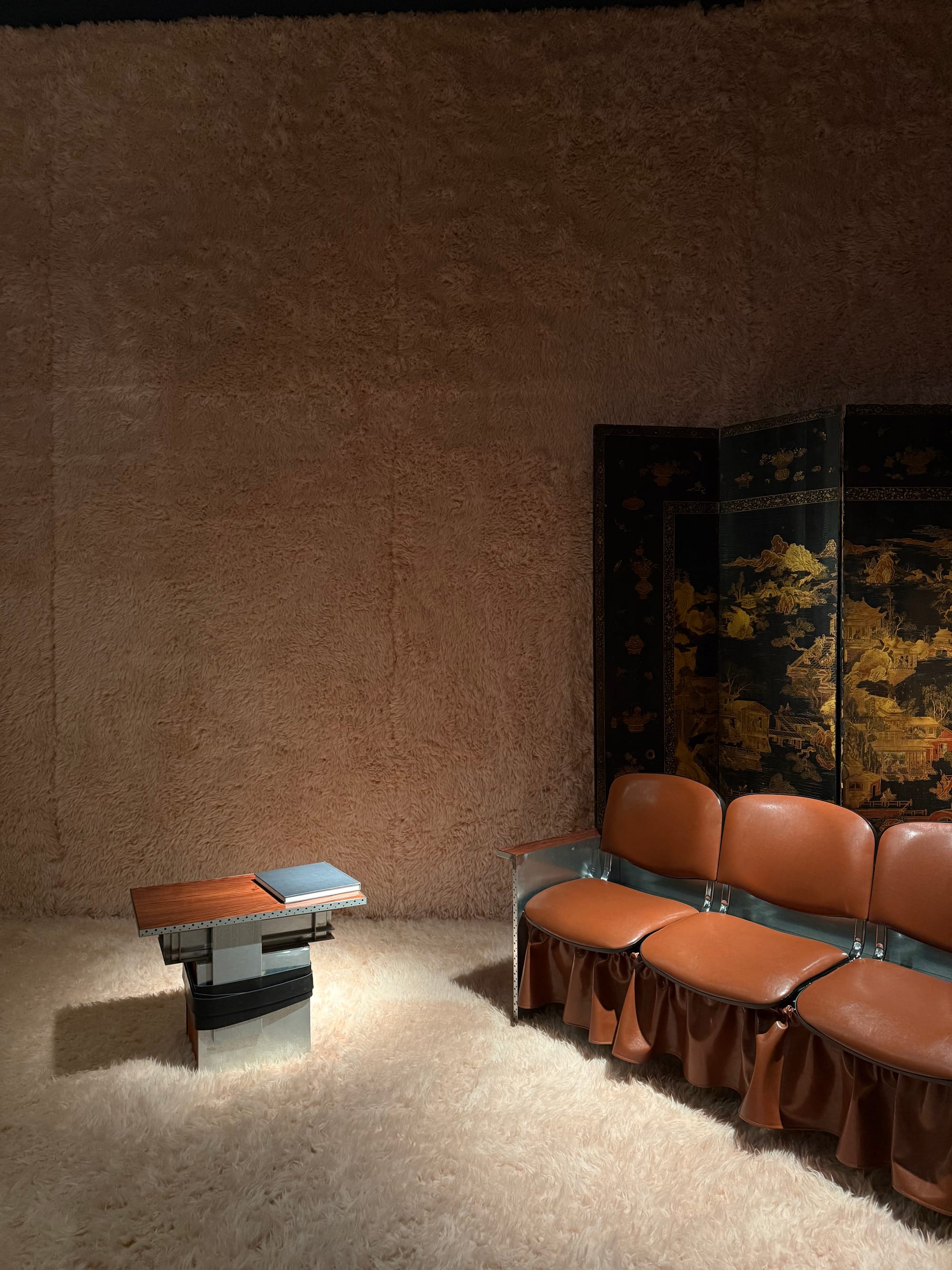
Nilufar Depot. Photography by Taïma Matthes.
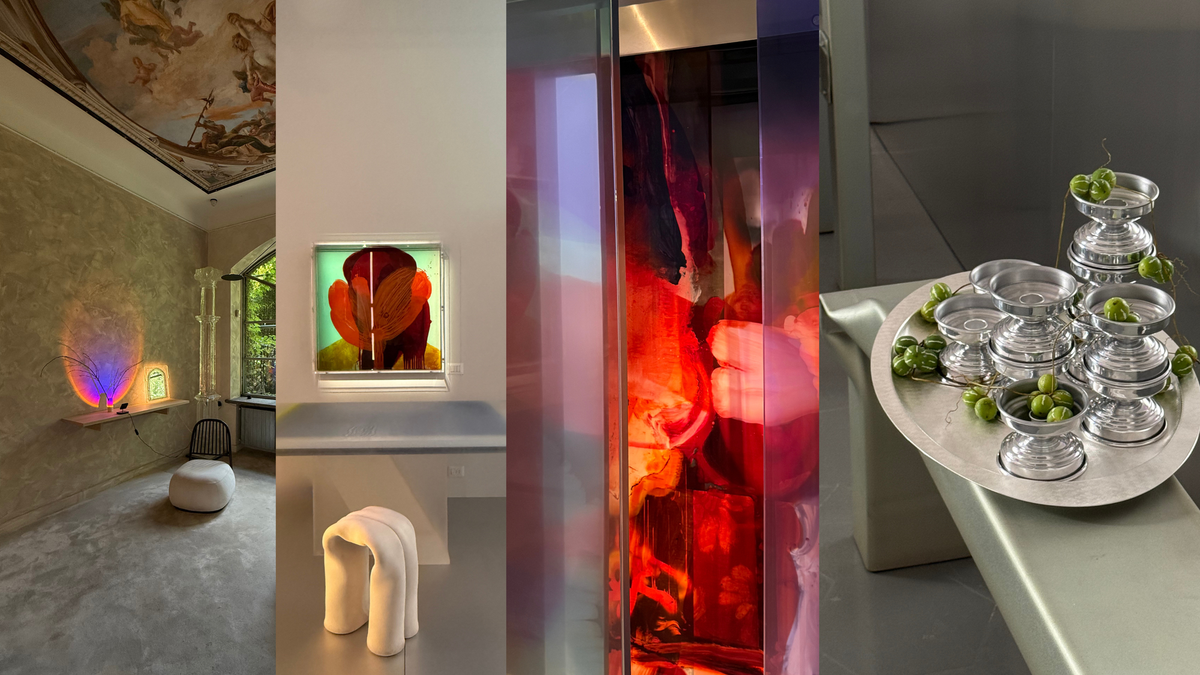
Spazio Maiocchi
2017 | Founded by Slam Jam & Carhartt WIP
Spazio Maiocchi represents the intersection of contemporary art, fashion and design in Milan’s evolving creative landscape. Founded through the collaboration between Slam Jam and Carhartt WIP, the cultural platform hosts exhibitions, installations and events that explore new forms of visual culture. It reflects a younger generation of Milanese spaces where disciplines merge and creative communities gather.
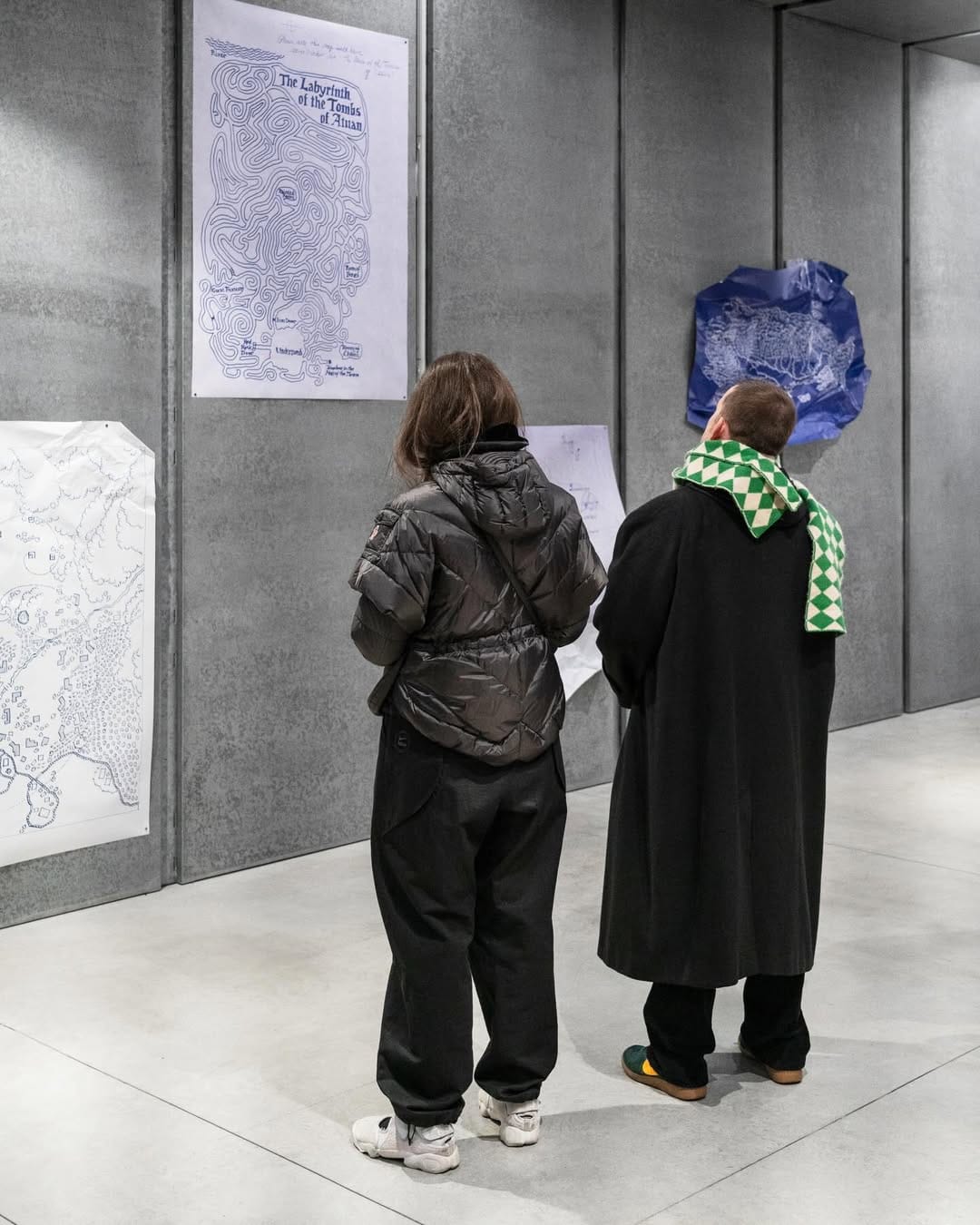
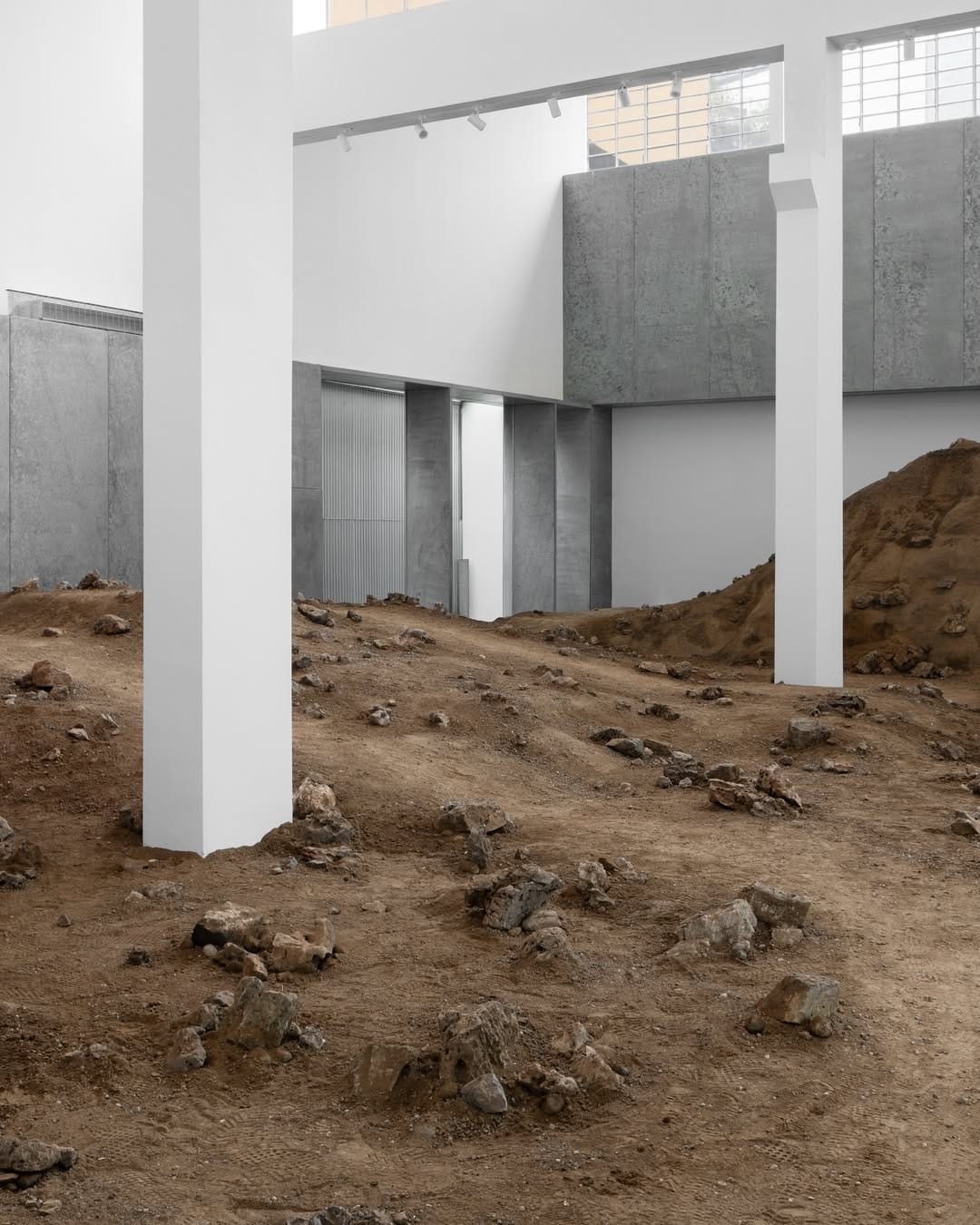
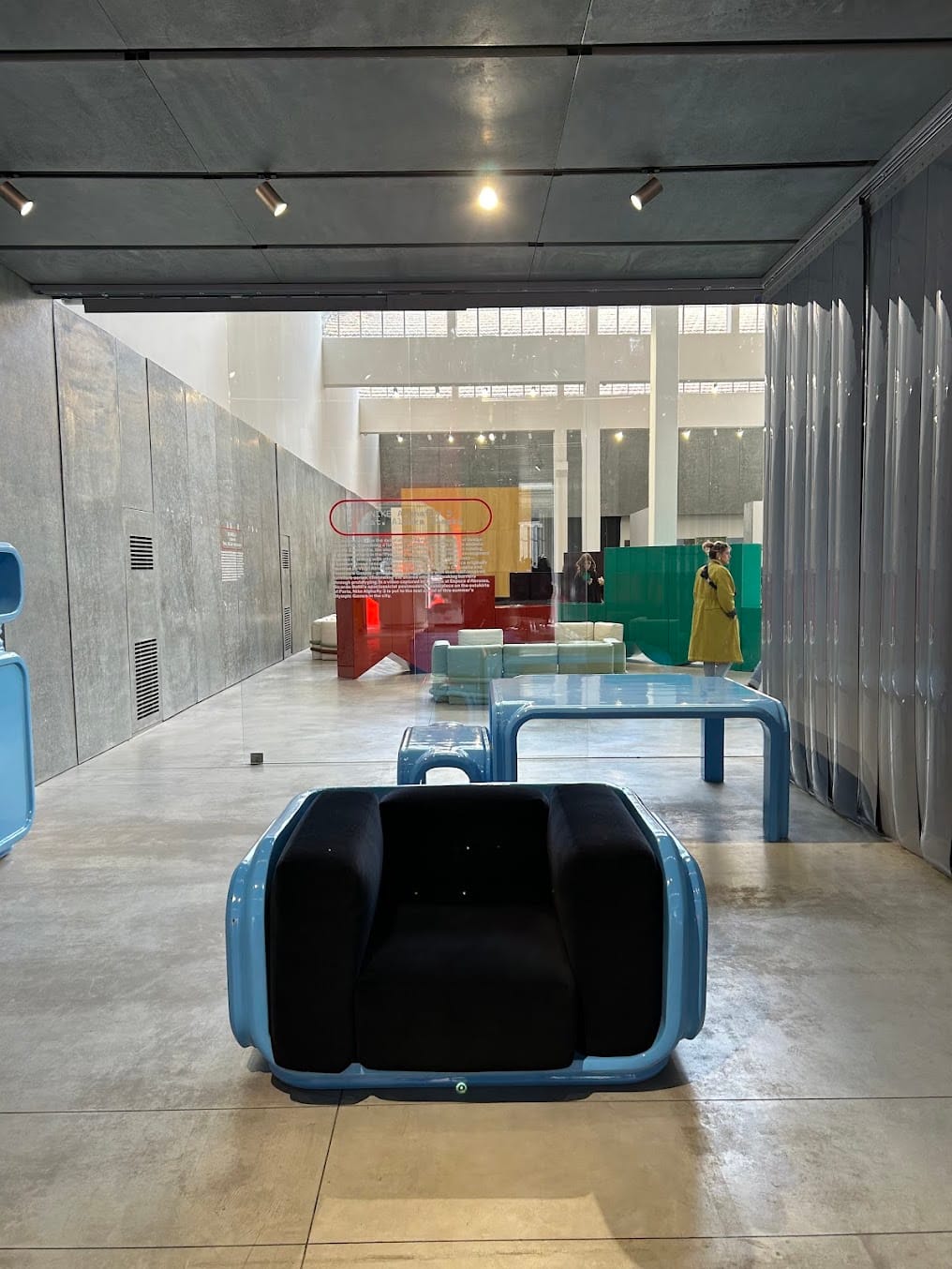
Spazio Maiocchi. Photography by T Space Studio | Riccardo Giancola and Tiziano Ercoli.
Fondazione Prada
1995 | Founders: Miuccia Prada & Patrizio Bertelli | Architecture: OMA | Rem Koolhaas
Designed by OMA and established by Miuccia Prada and Patrizio Bertelli, Fondazione Prada is one of Milan’s most significant examples of contemporary cultural architecture. Transforming a former gin distillery, the project combines historic industrial structures with new interventions, creating a dialogue between preservation and experimentation.
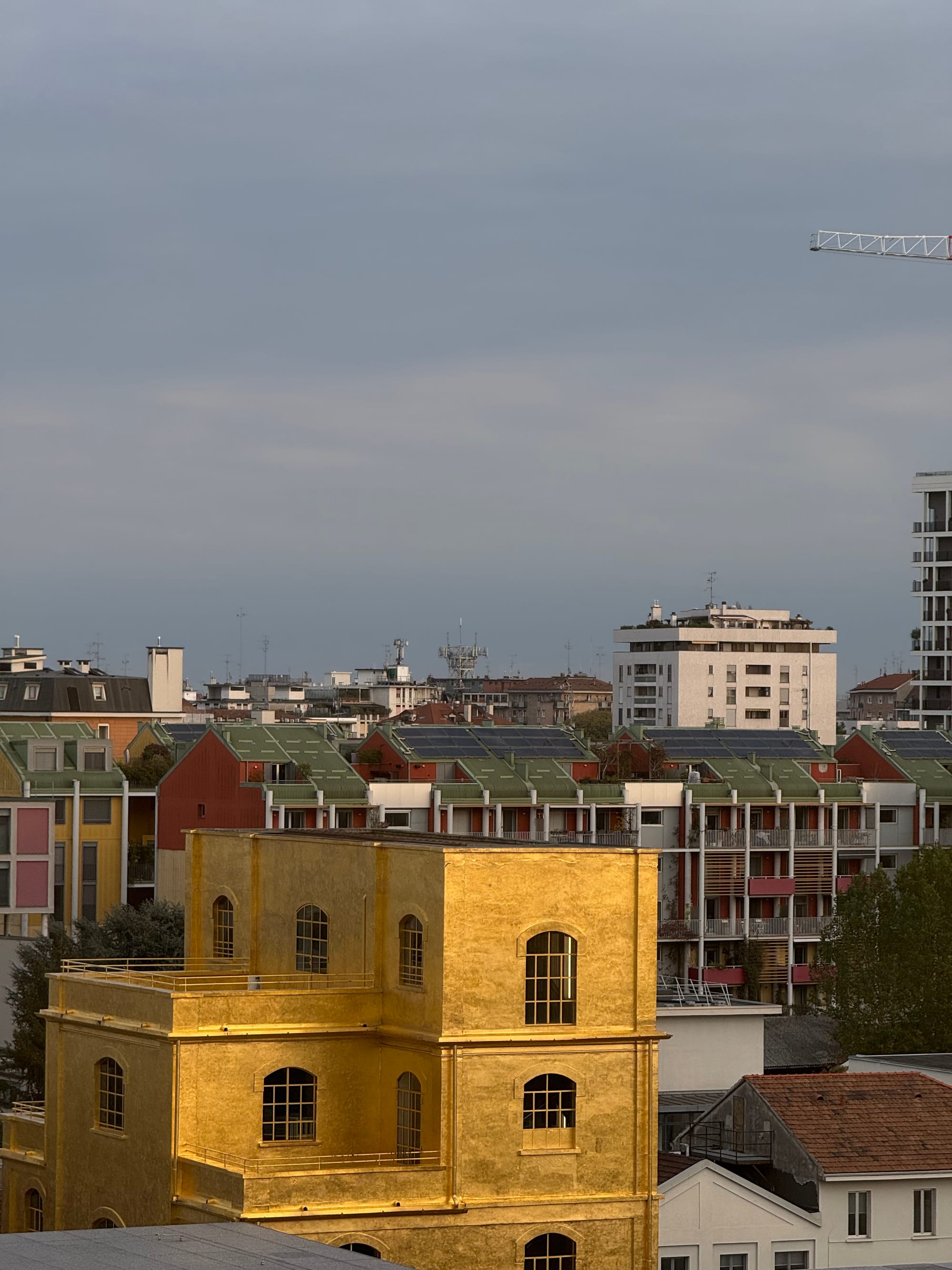
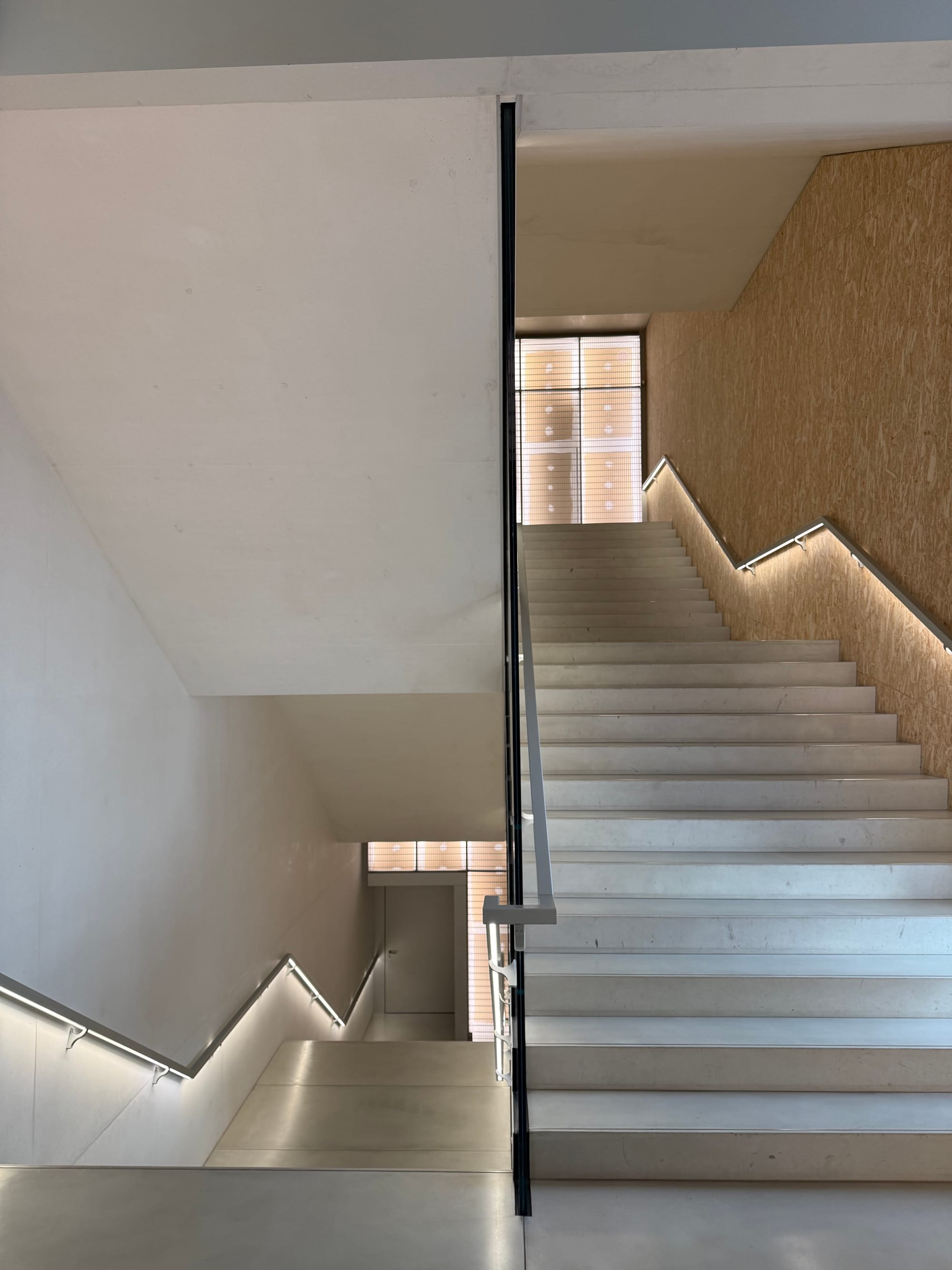
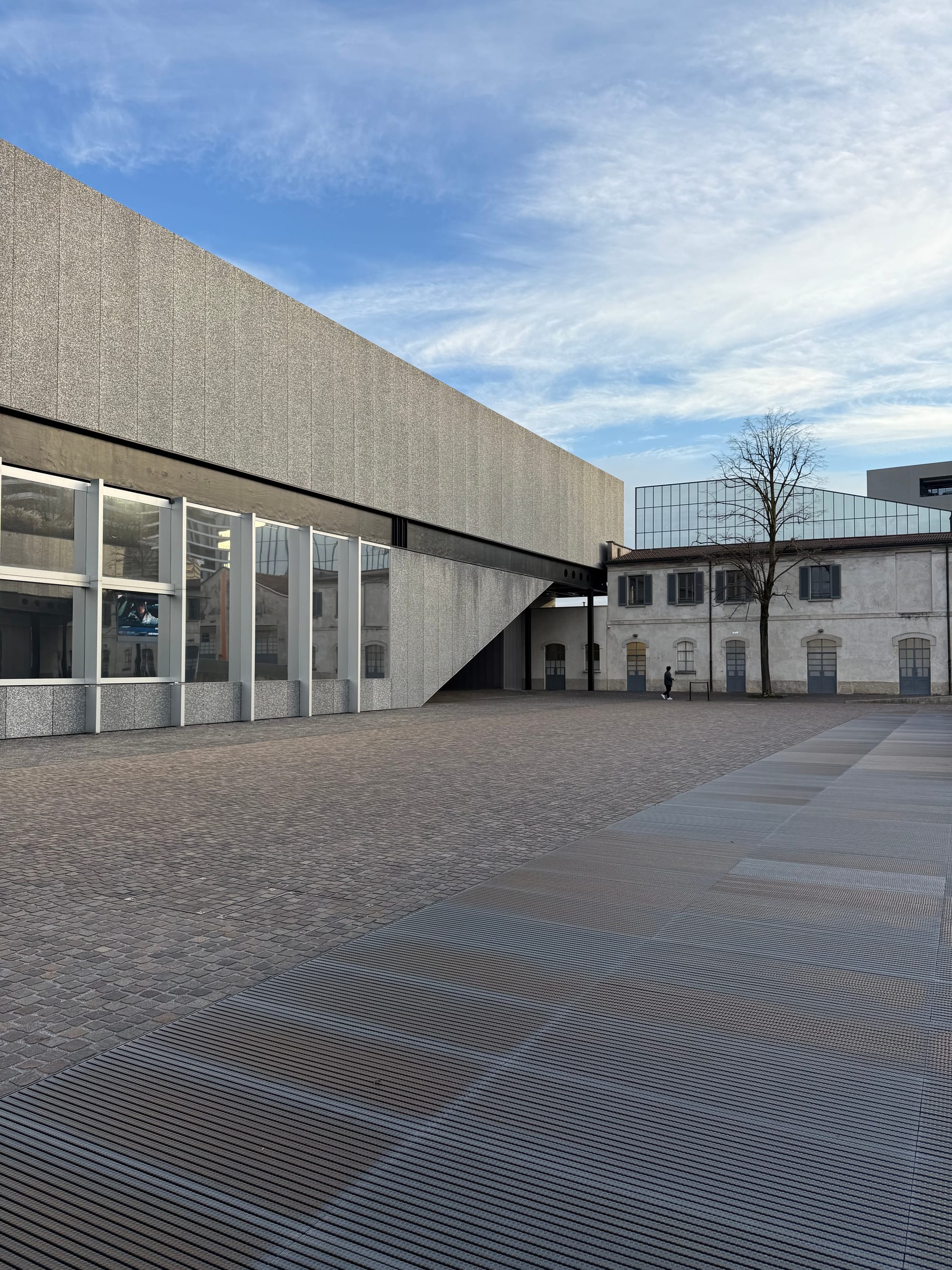
Fondazione Prada. Photography by Taïma Matthes.
Casa Museo Boschi Di Stefano
1930s | Architect: Piero Portaluppi | Collection founded by Antonio Boschi & Marieda Di Stefano
Located within a 1930s Milanese apartment, Casa Museo Boschi Di Stefano offers an intimate exploration of the relationship between modern architecture, art and everyday life. Designed by Piero Portaluppi, the residence preserves the private collection of Marieda Di Stefano and Antonio Boschi, featuring hundreds of works from 20th-century Italian artists. A hidden gem for those interested in Milanese modernism and domestic architecture.
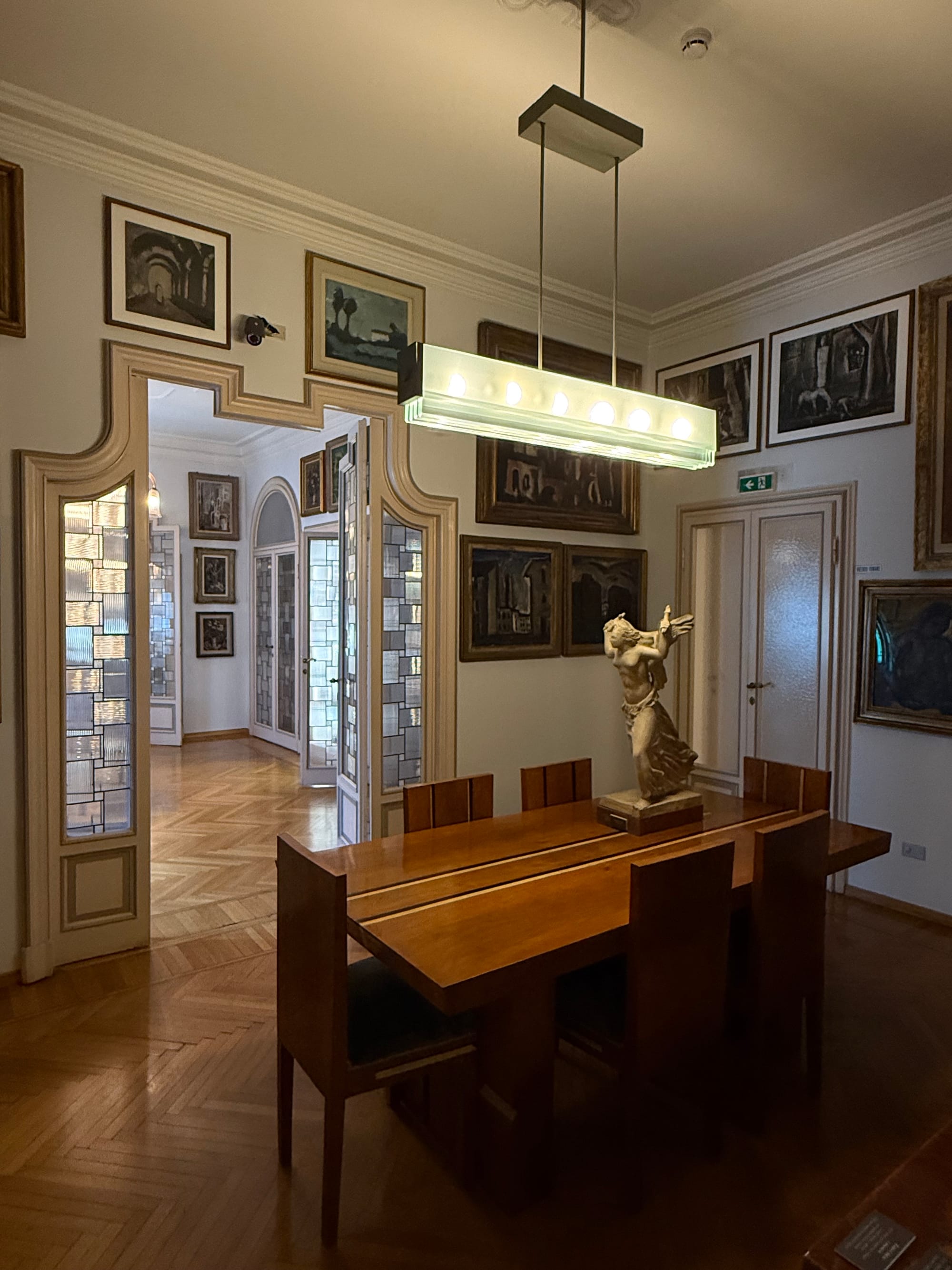
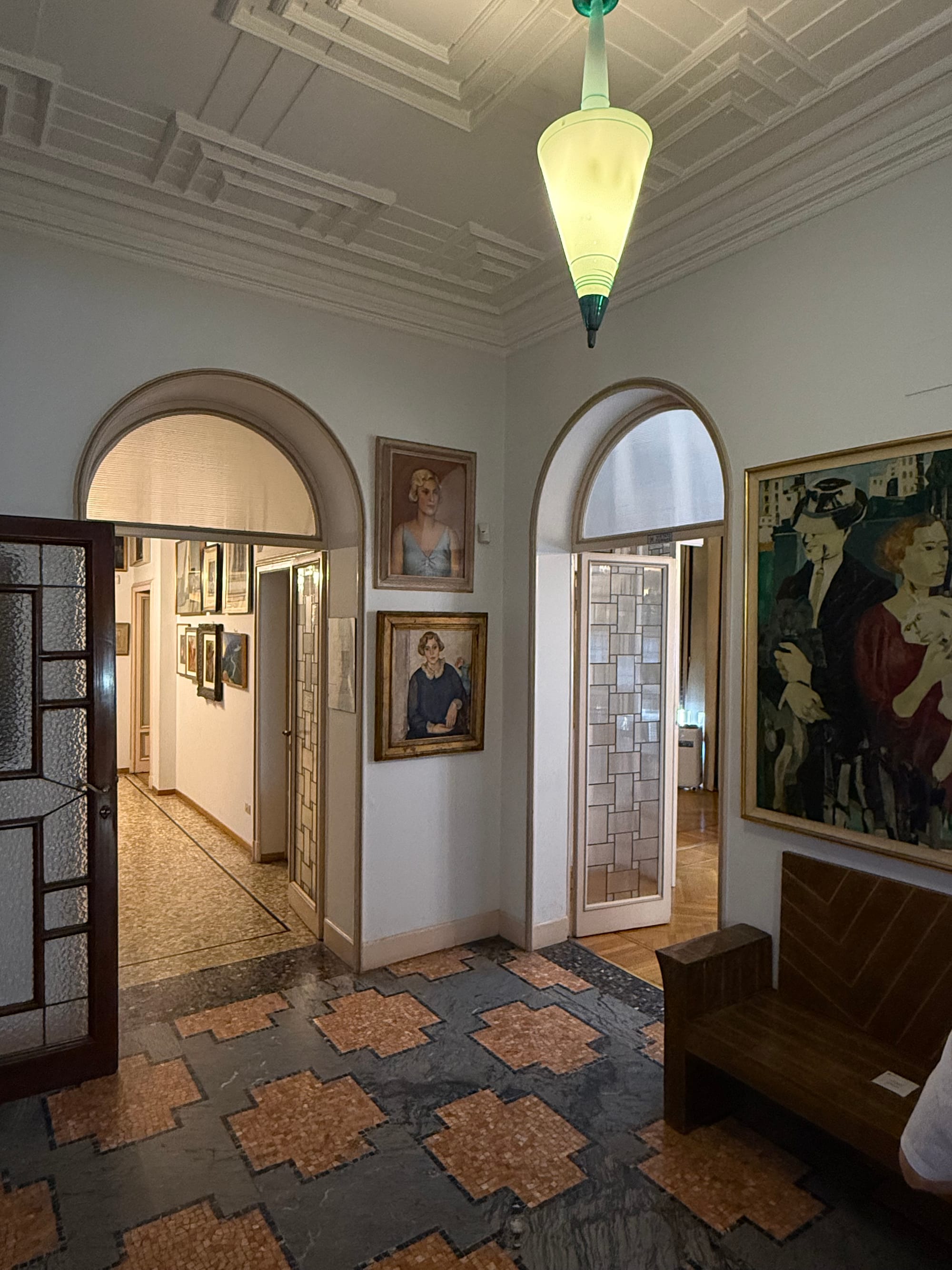
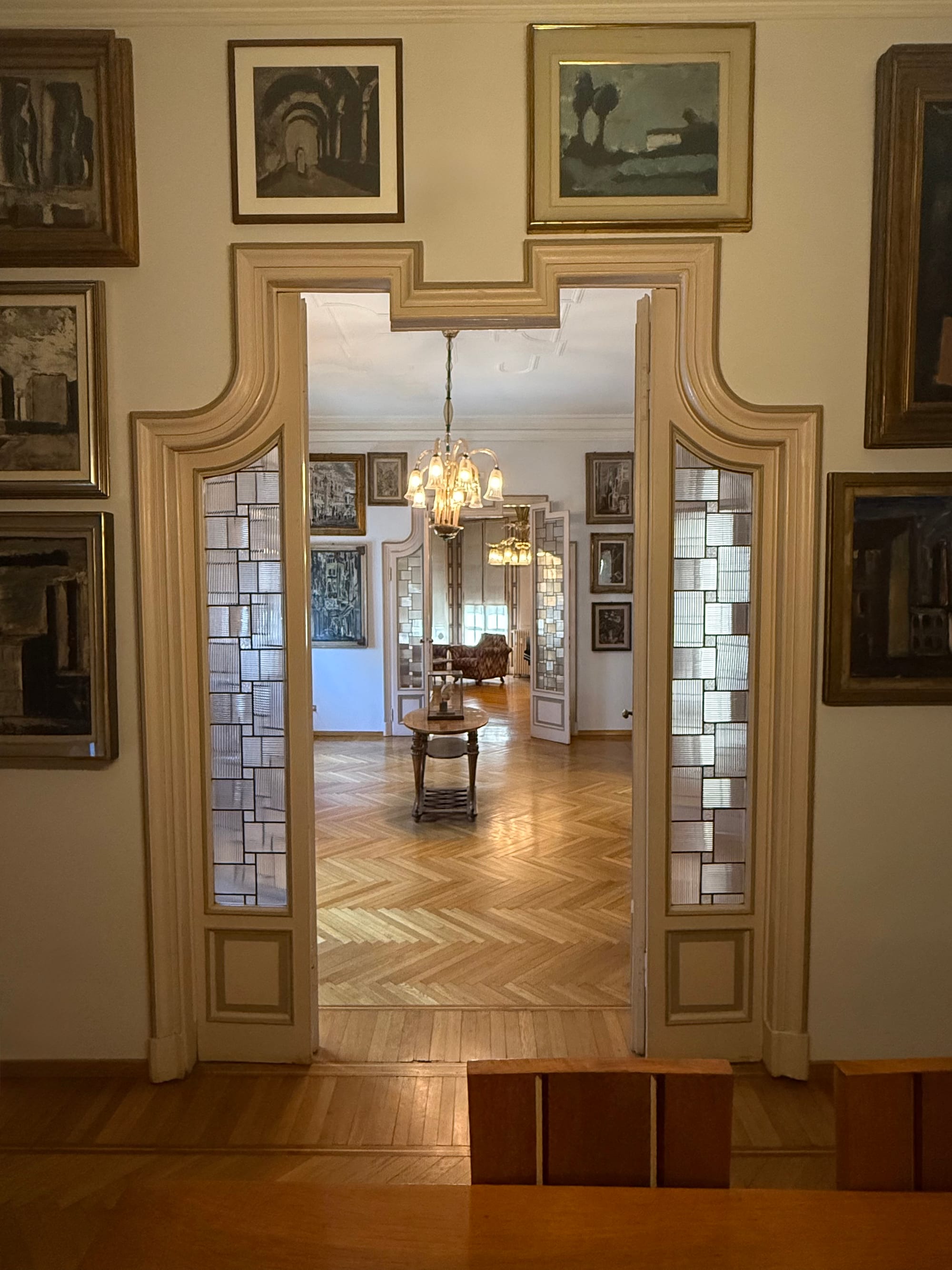
Casa Museo Boschi Di Stefano. Photography by Taïma Matthes.
Pinacoteca di Brera
1809 | Founded under Napoleon’s rule as a public art gallery | Palazzo di Brera
Housed within the historic Palazzo di Brera, Pinacoteca di Brera is one of Italy’s most important art museums, renowned for its collection of Italian Renaissance and Baroque masterpieces. Beyond its artworks, the institution reflects Milan’s long-standing connection between architecture, education and cultural exchange. The surrounding Brera district remains one of the city’s most vivid areas for art, design and creative exploration.

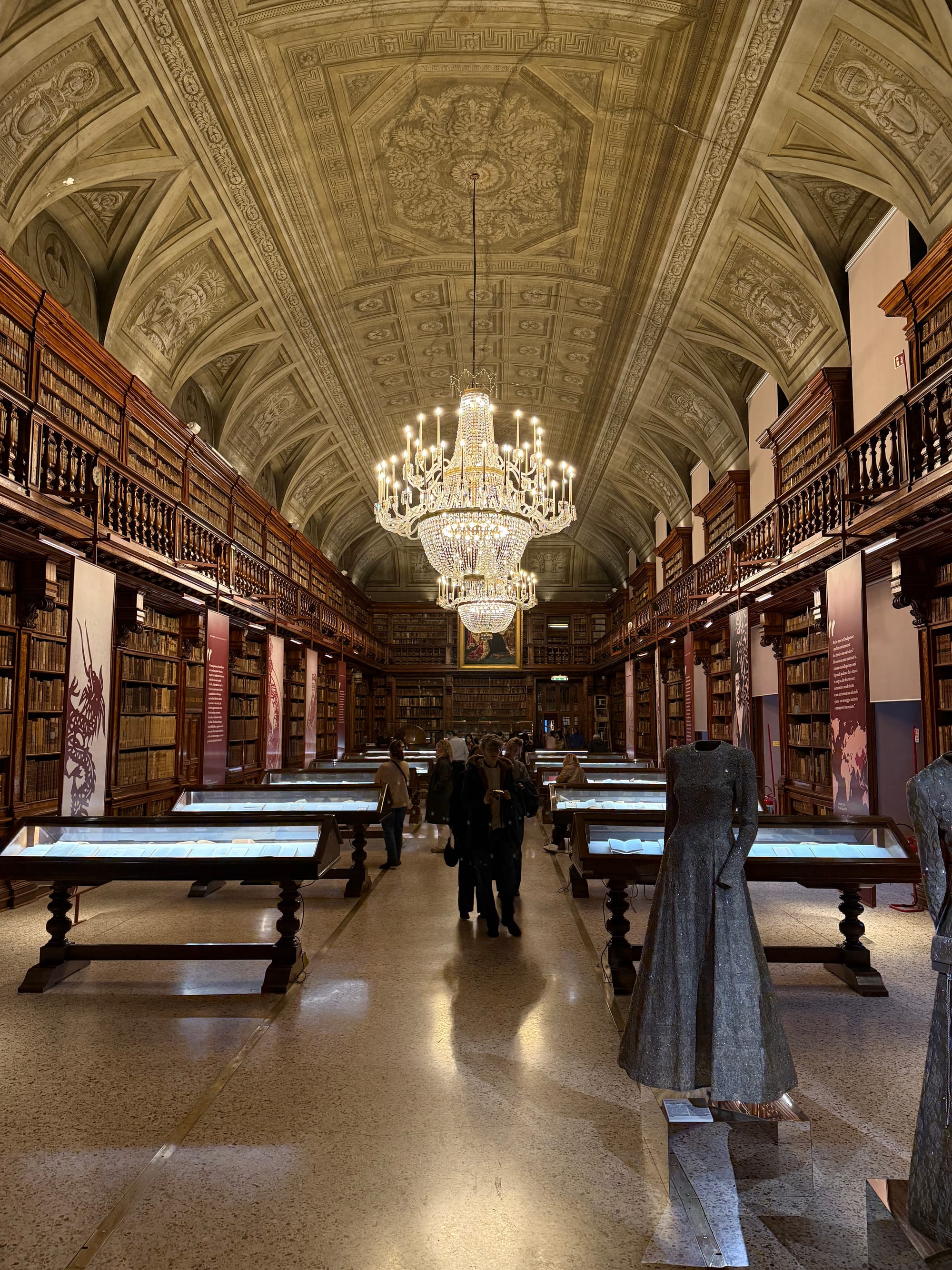
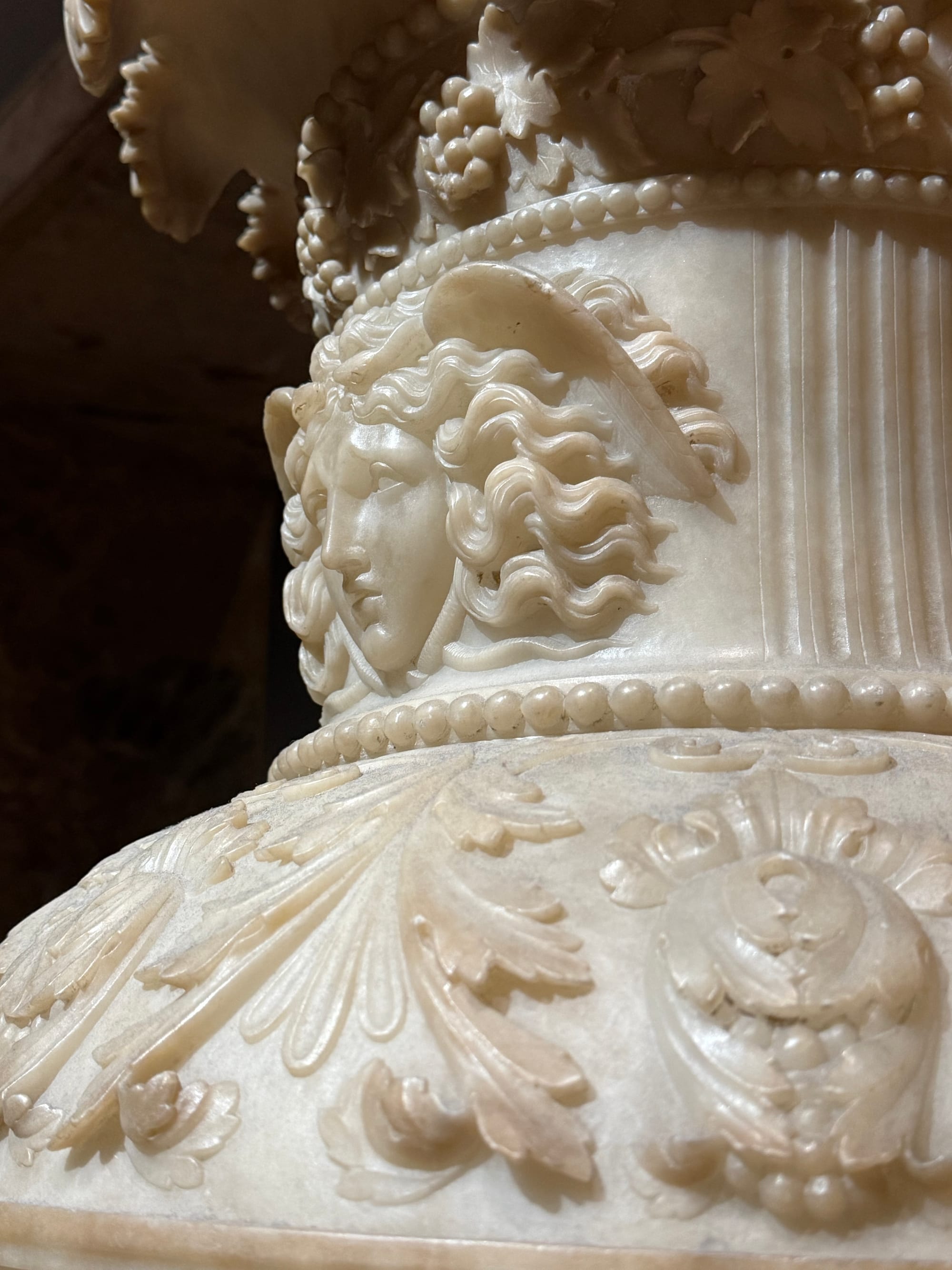
Pinacoteca di Brera. Photography by Taïma Matthes.
Milan continues to redefine itself through architecture, design and cultural innovation. From historic landmarks and modernist residences to contemporary galleries and creative institutions, the city offers endless opportunities for discovery. Definitely worth a visit.
For more architecture and design guides, curated places and inspiring projects, feel free to subscribe to architravels.