OysterX by Off With The Pixies Studio
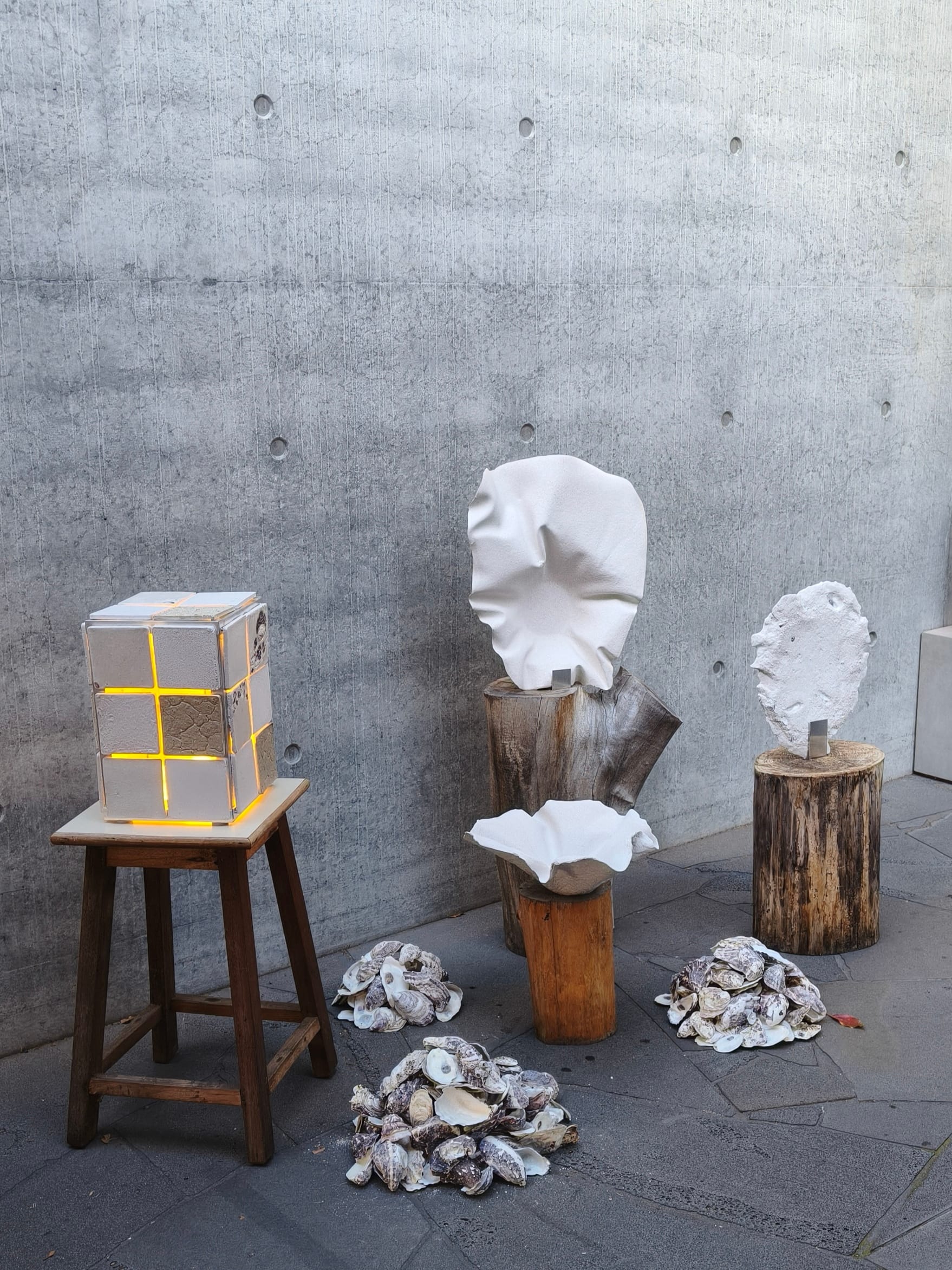
Developed from discarded oyster shells, this project transforms a hospitality by-product into a tactile bioceramic for interiors and spatial applications.

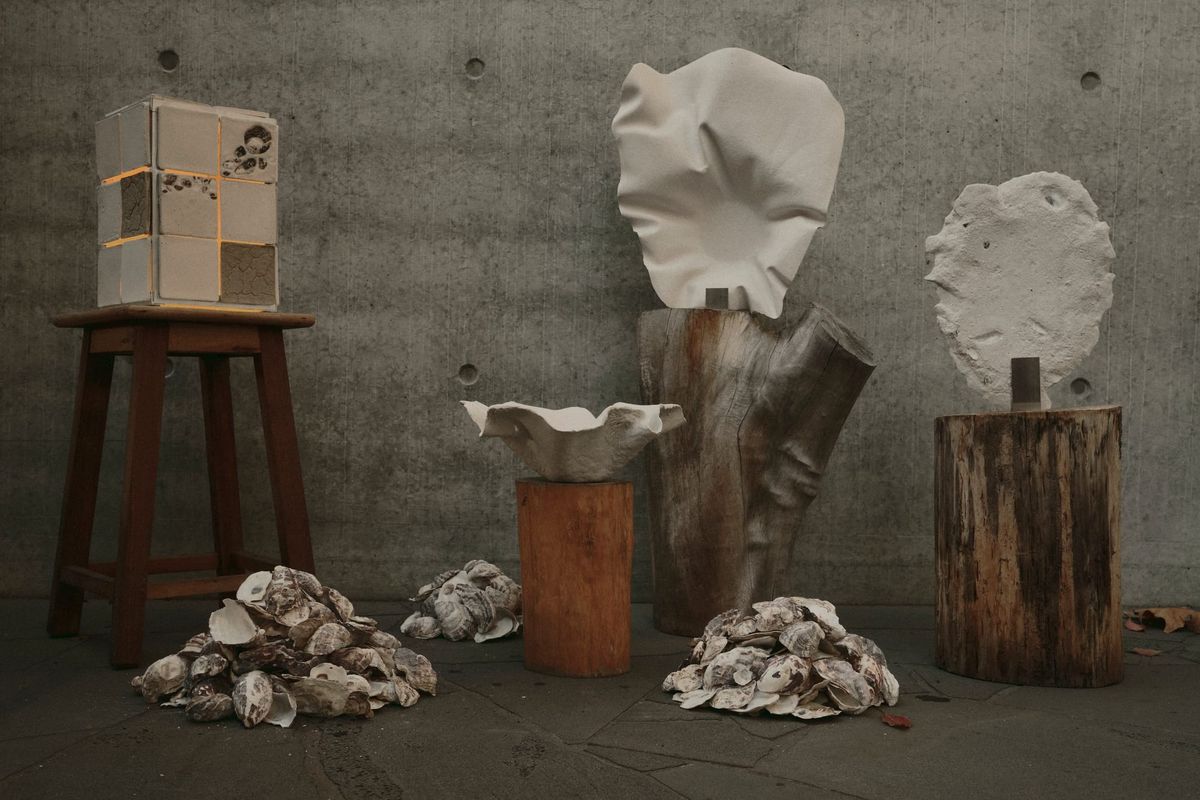
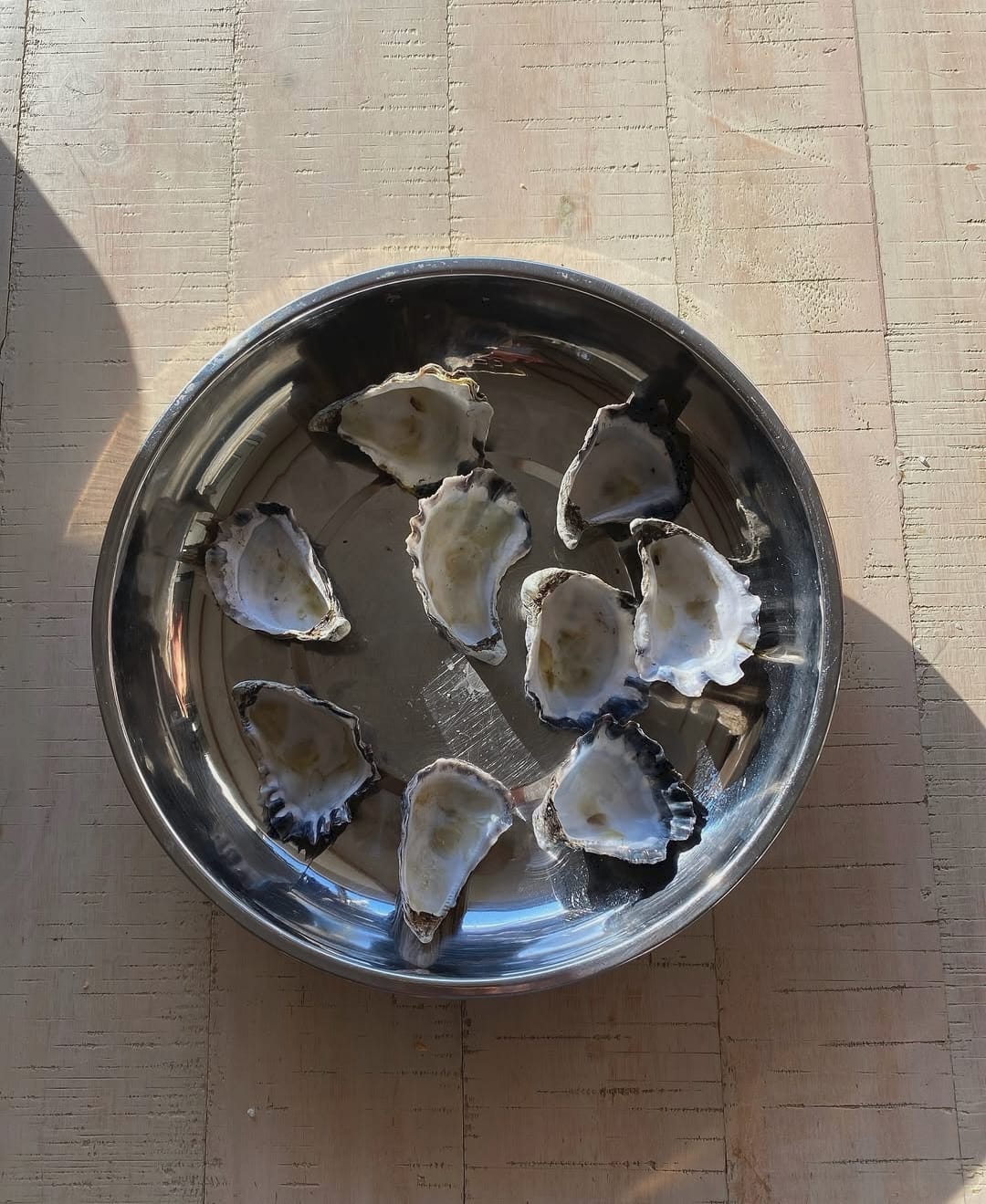
What happens to an oyster shell after the meal is over? For this Melbourne-based Studio, it became an opportunity to reconsider waste as a material resource.
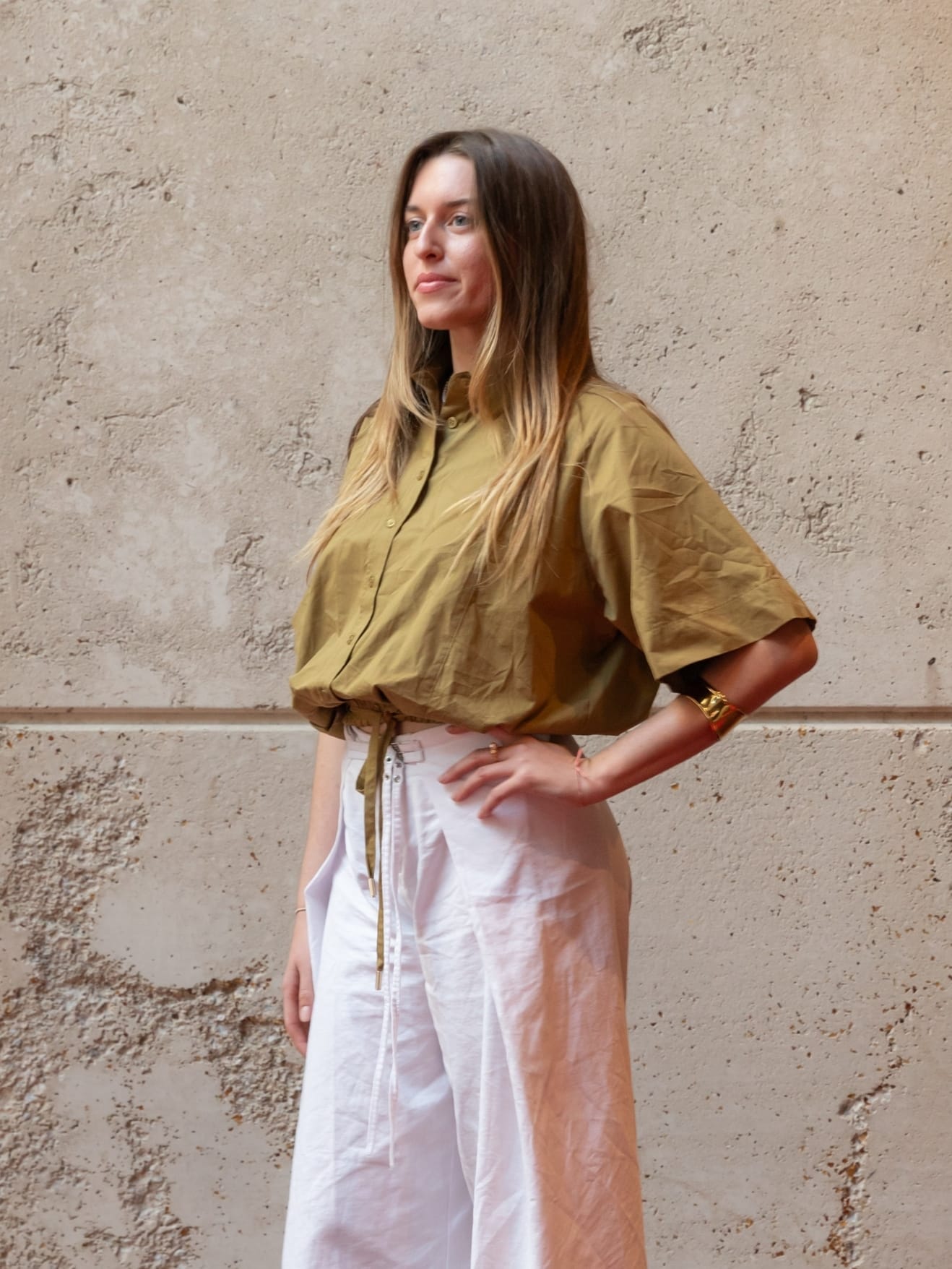
Off With The Pixies Studio was founded in 2023 by Chloe Harper and is a Melbourne-based biomaterials practice exploring regenerative approaches to material design. Working with local waste streams, including marine by-products, the studio develops bespoke materials for the built environment, placing material provenance, experimentation and circularity at the centre of its practice.
For Chloe Harper, making began with a childhood instinct to experiment. Industrial design gave that curiosity a framework, but during her studies in New Zealand, her attention shifted from the finished object to the material itself: what it is made from, where it comes from, how it feels and where it goes when its first life ends.
"I became more and more interested in the stage before the object, in the material itself. I came to understand the importance of matter: what something is made of, its sensory experience, where it came from, and where it goes when we're done with it. Waste became interesting to me because it's material that already carries a story. It has lived one life, and I'm curious about what its next one could be."
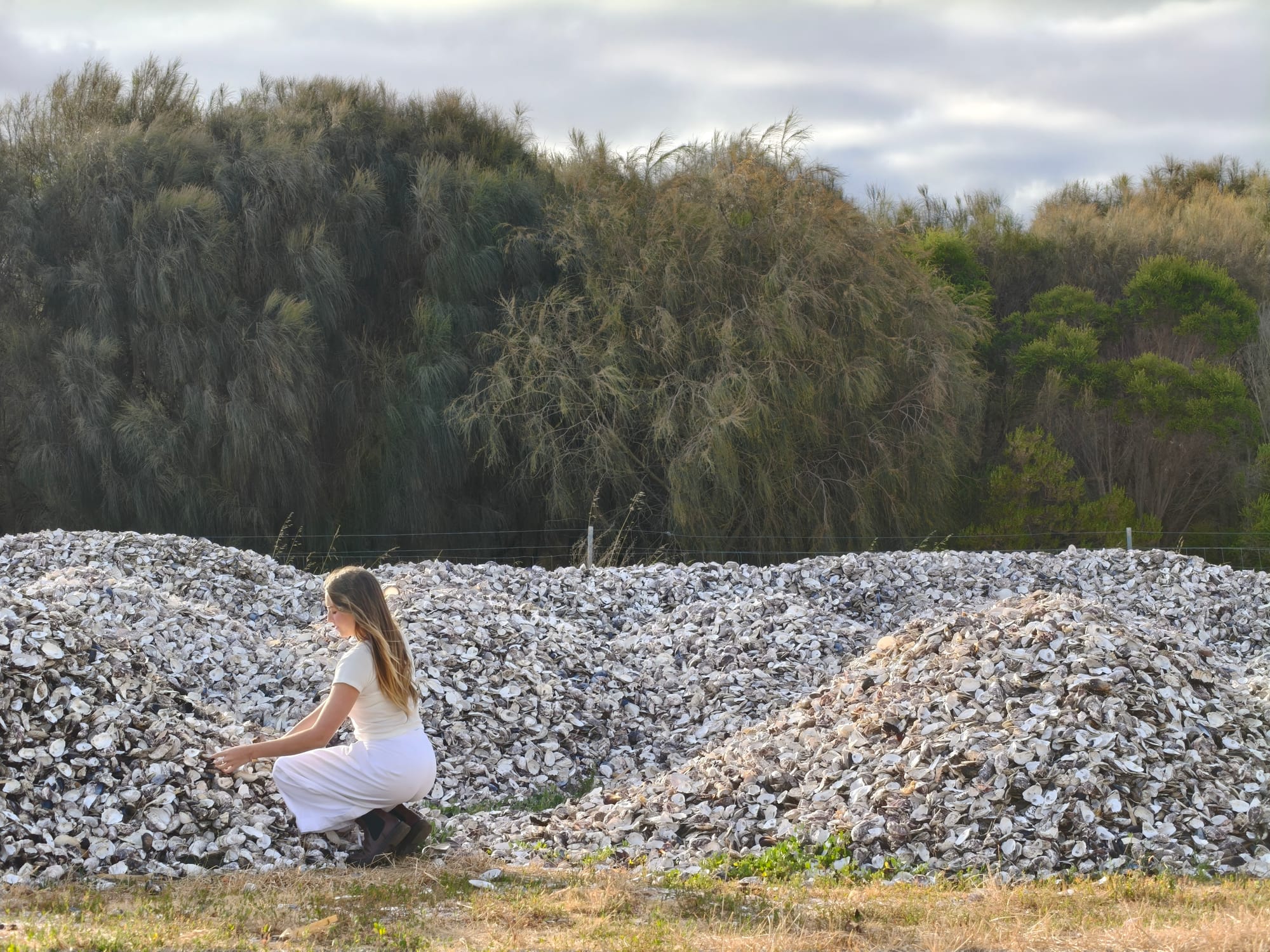
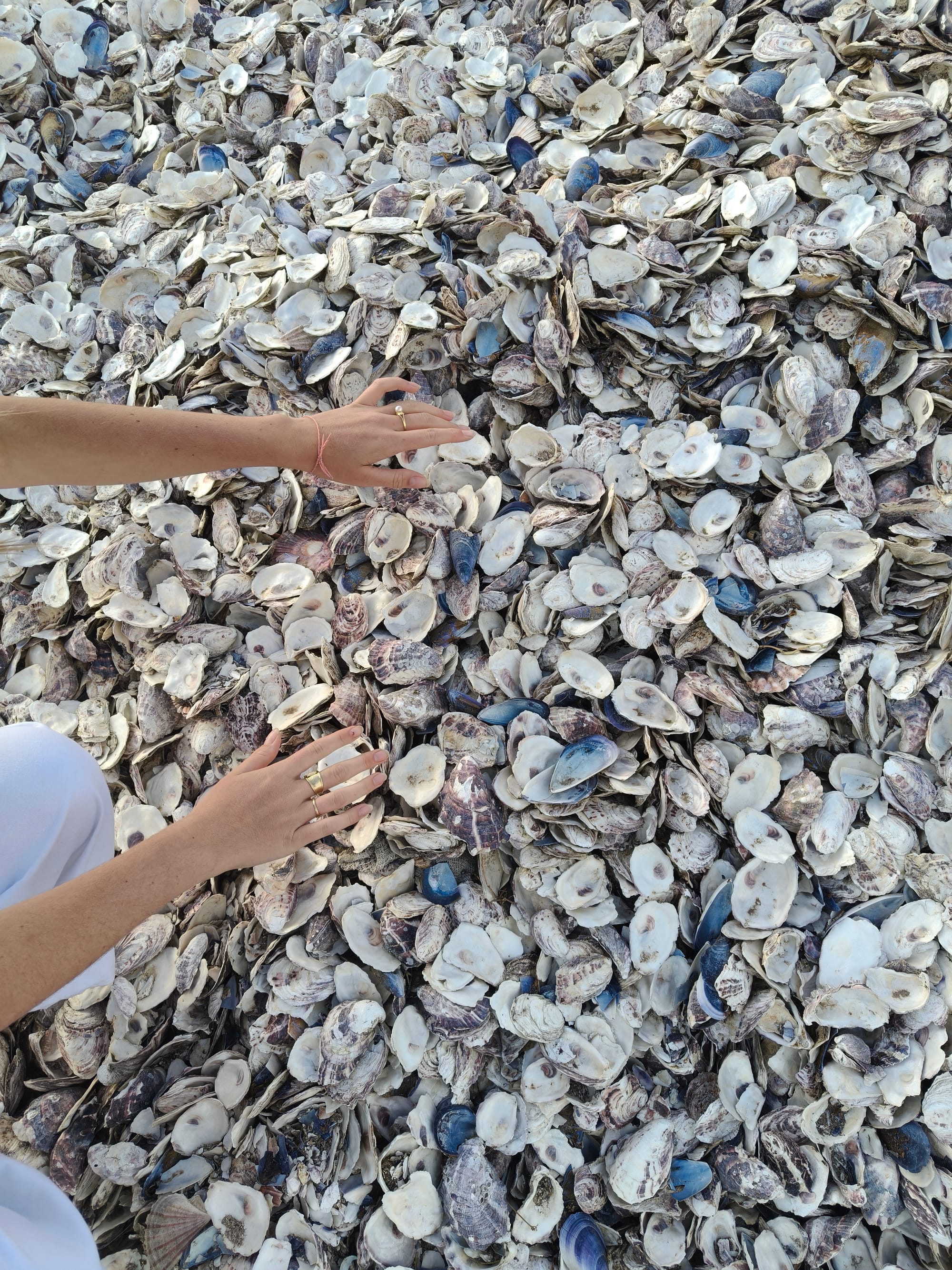
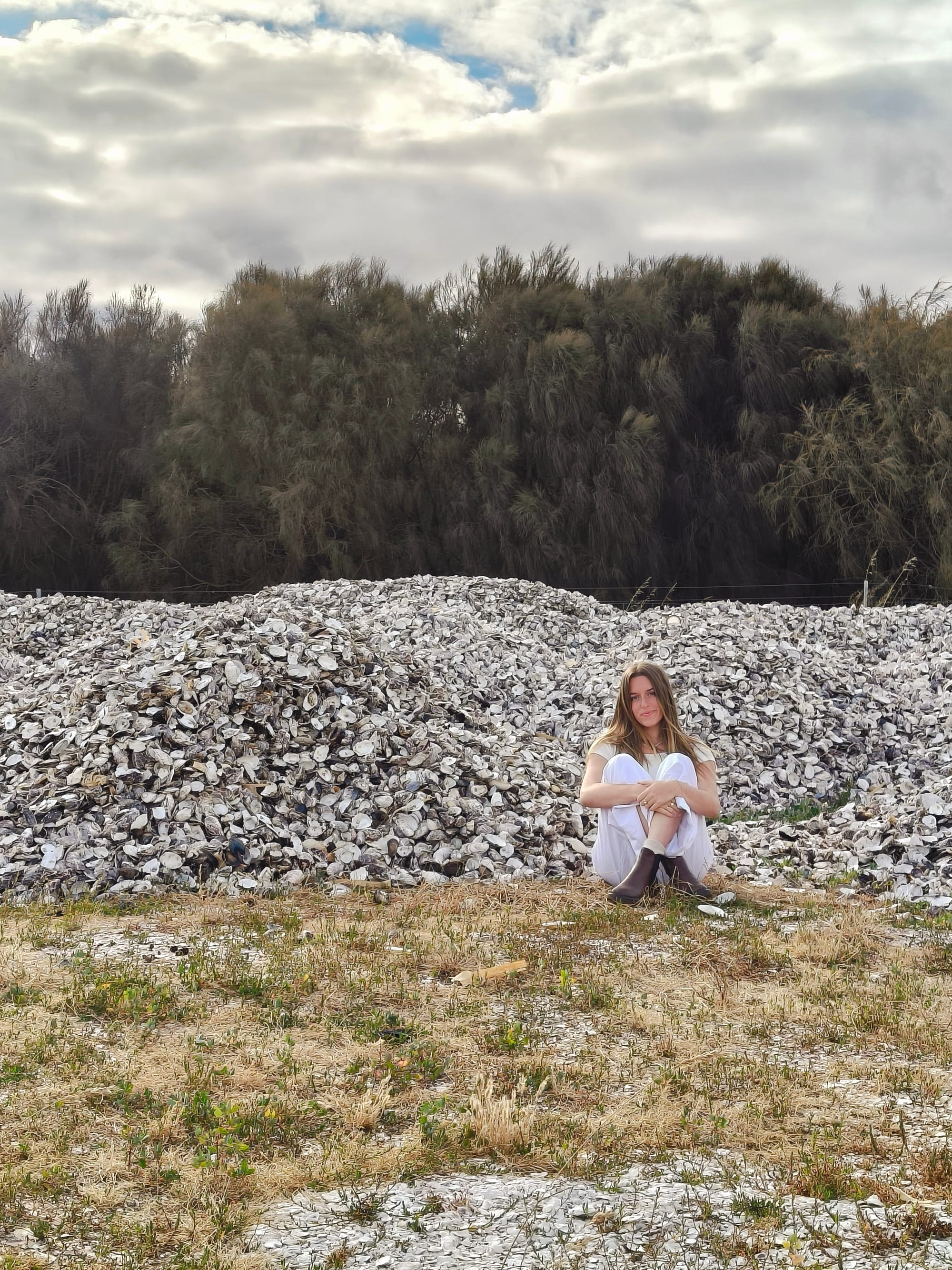
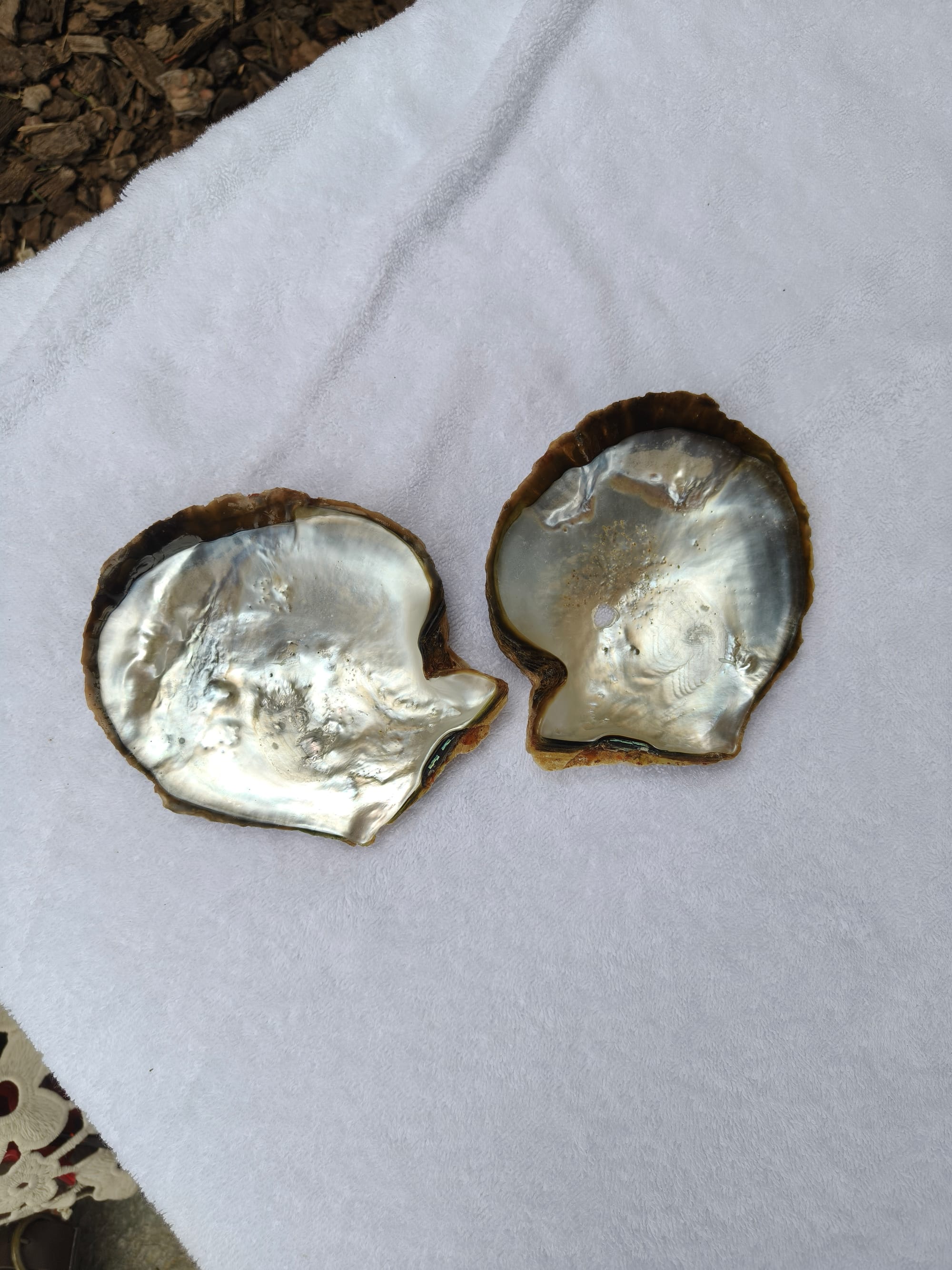
Visiting oyster farms along Australia's Oyster Coast, Chloe encountered mountains of discarded shells destined for landfill. Their fate seemed particularly at odds with the complexity of their formation. An oyster builds its shell slowly, drawing minerals from seawater and depositing them layer by layer. Rich in calcium carbonate, the shells also belong to the same mineral family as limestone, suggesting the possibility of a new material without extracting virgin mineral resources or relying on kiln firing, traditionally associated with ceramics.
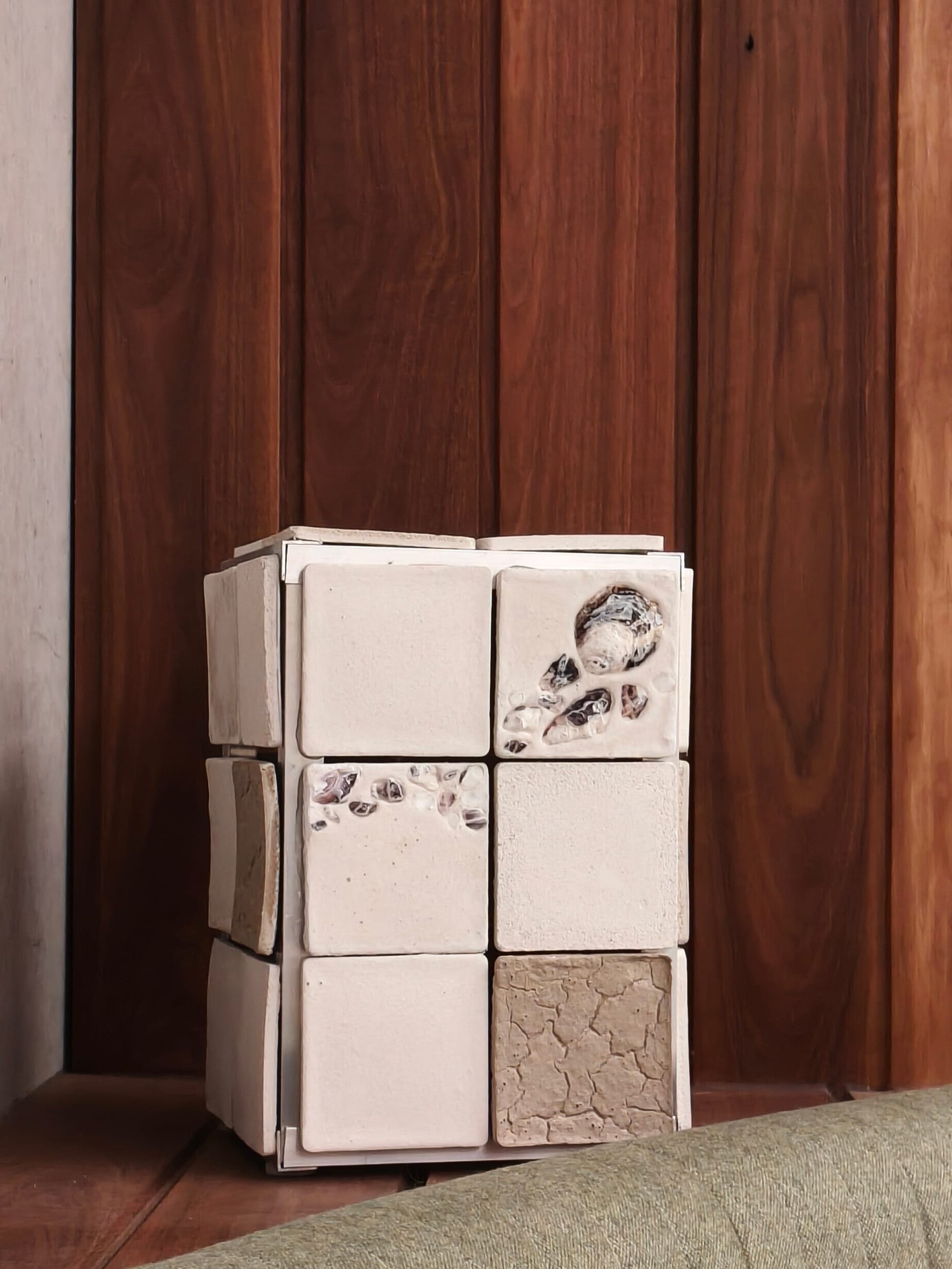
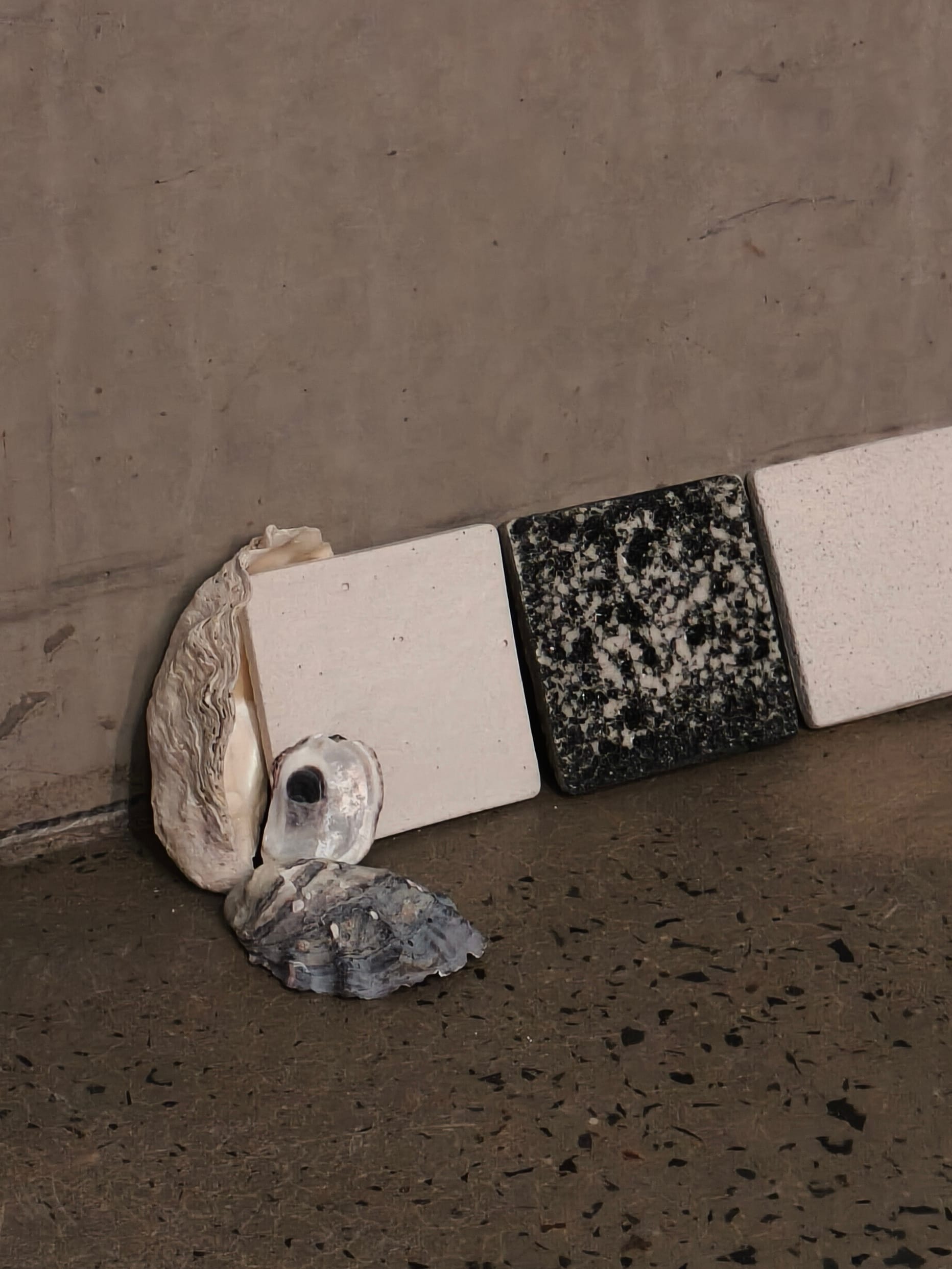
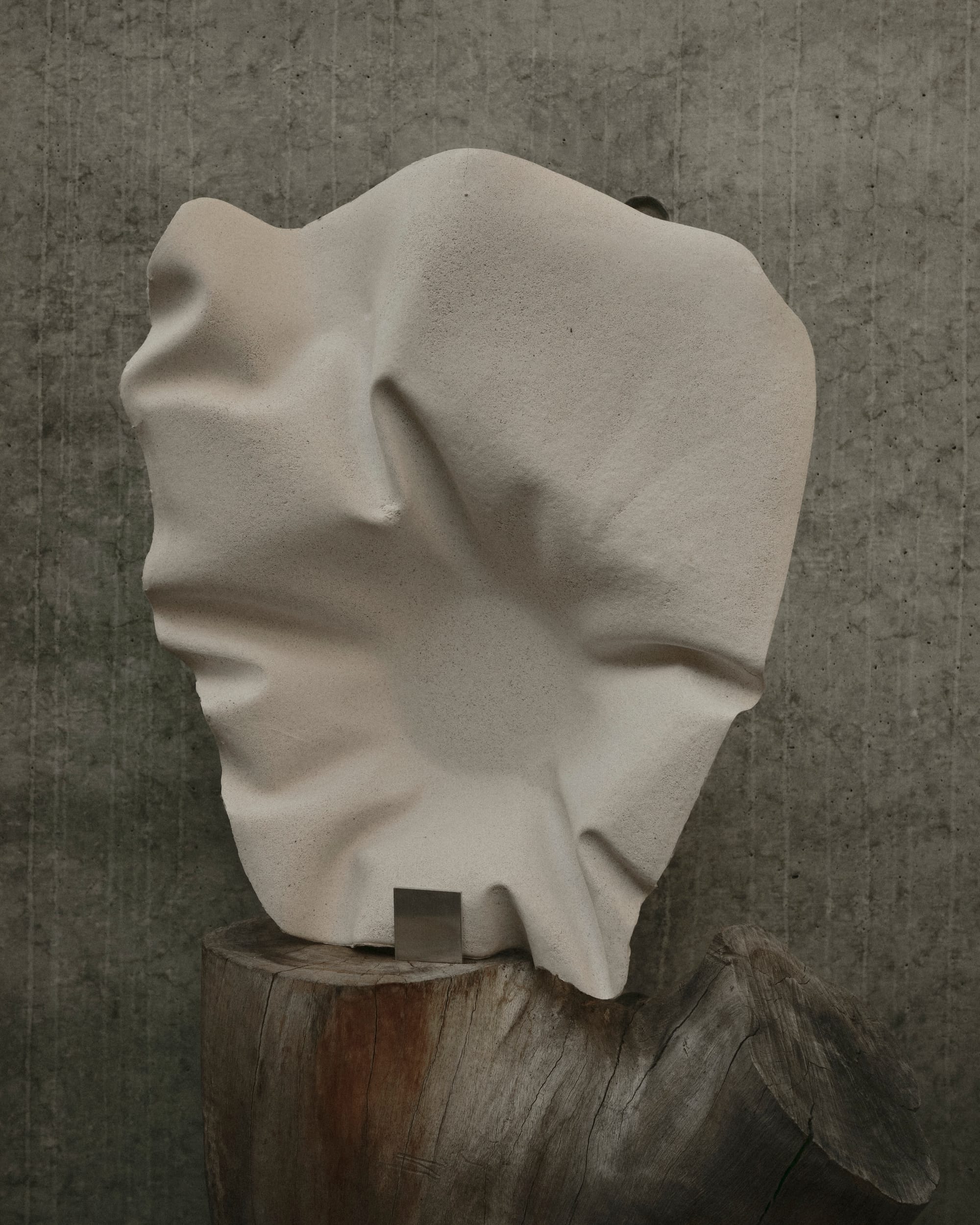
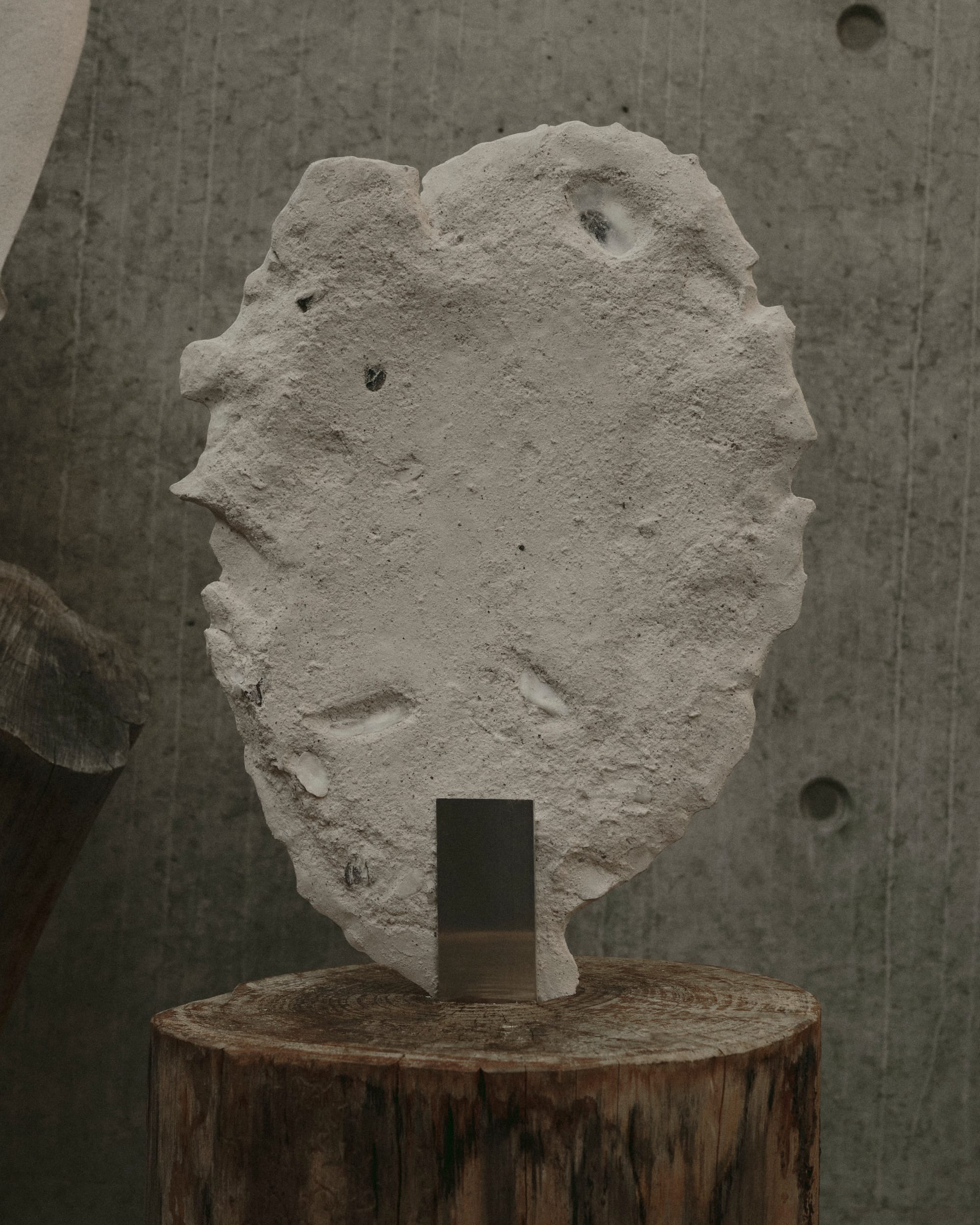
This is where OysterX emerged. Working with local restaurants and hospitality venues, the studio collects shells from Melbourne's tables and transforms them into a bioceramic material. The resulting surface retains traces of its origin, with a mineral coolness and visible fragments of shell that make each piece subtly distinct. That variation became one of the project's unexpected strengths. Microscopic analysis revealed delicate crystal formations across samples, challenging Chloe's initial instinct.
“I went in thinking I would tame the material into consistency, and I've come to love working with its character instead.”
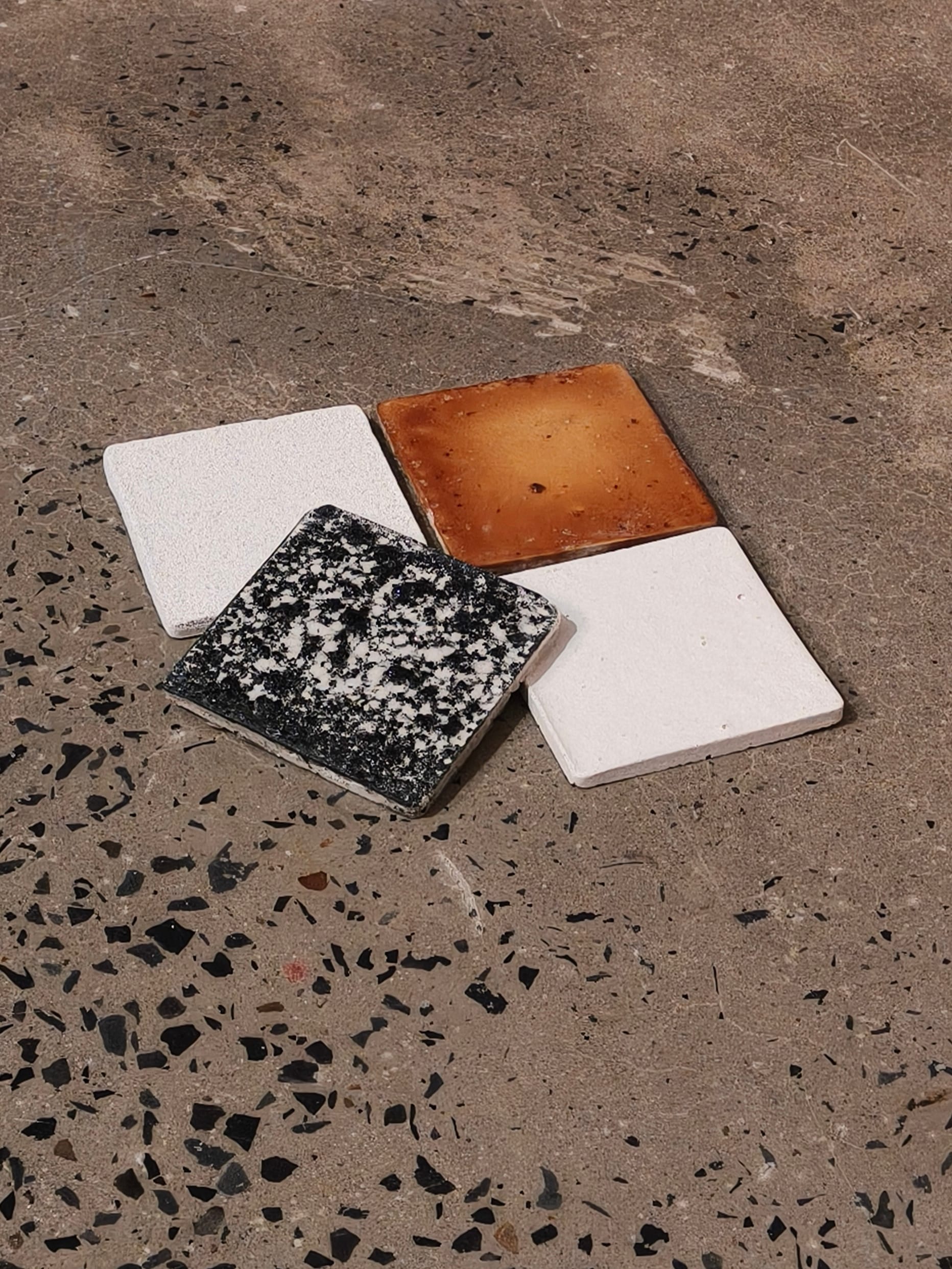
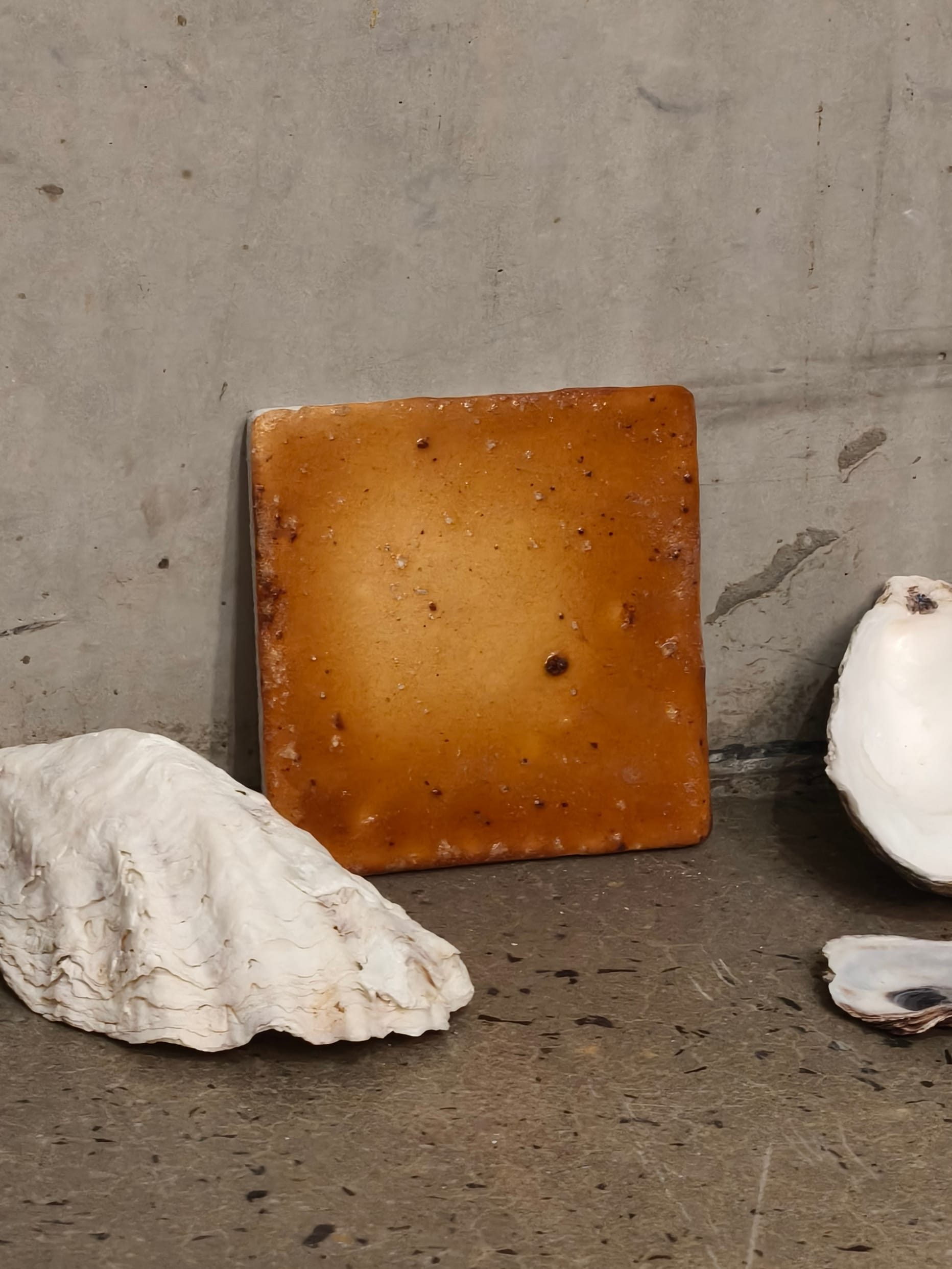
Rather than concealing its origins, OysterX makes its provenance perceptible, turning the material’s history into part of its aesthetic.
"I want people to reach out and touch it before they know what it is. And then, when they learn it began as oyster shells, I hope something shifts: a small moment of pause, a sense that the wall or object beside them is connected to the sea, to a meal, to a living creature. In a built environment that often feels sealed off from nature, I'd love OysterX to be a reminder that everything around us came from somewhere, and that materials can carry memory and hold their provenance openly."
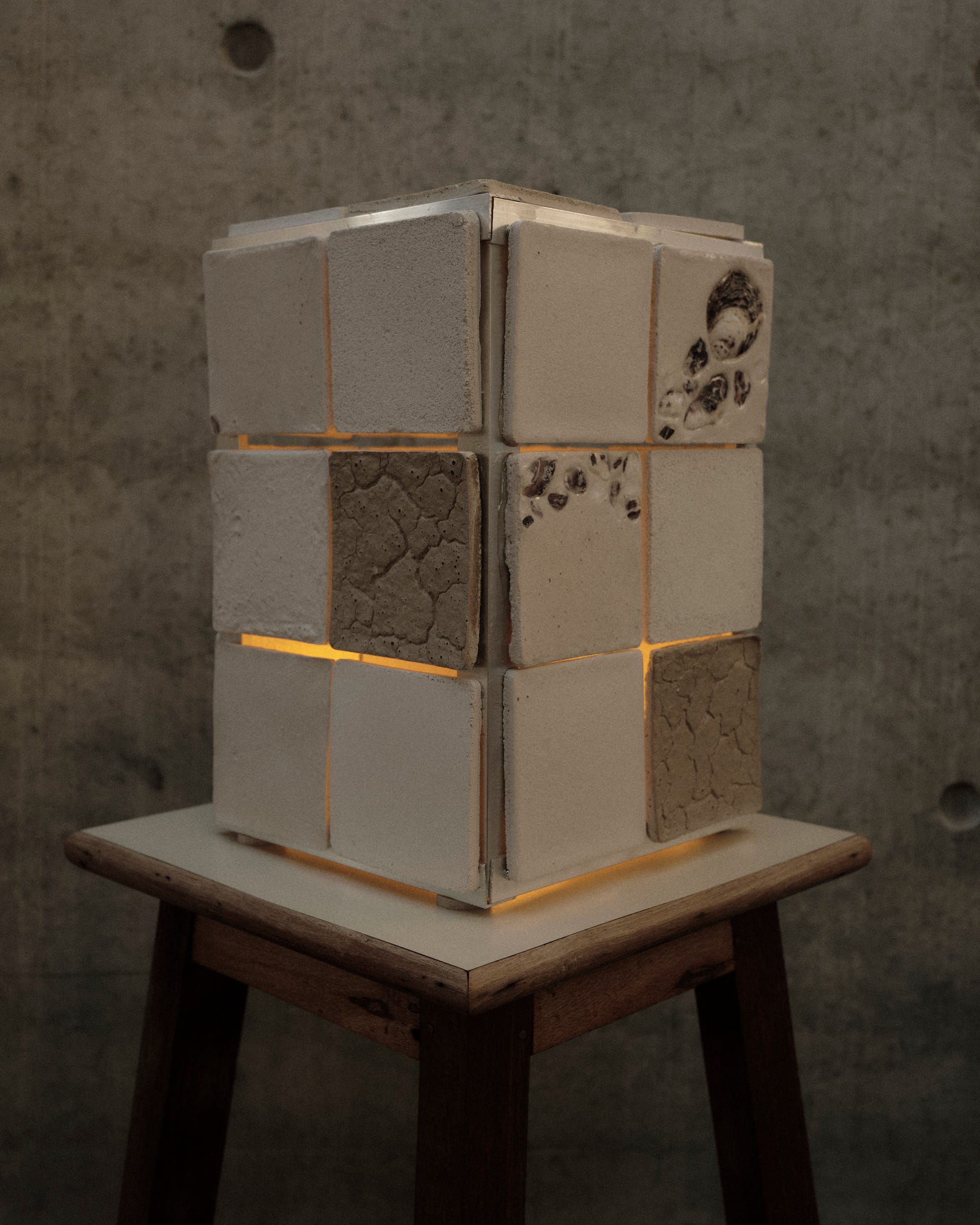
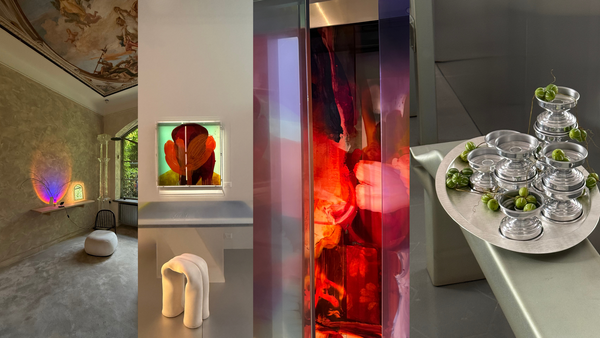
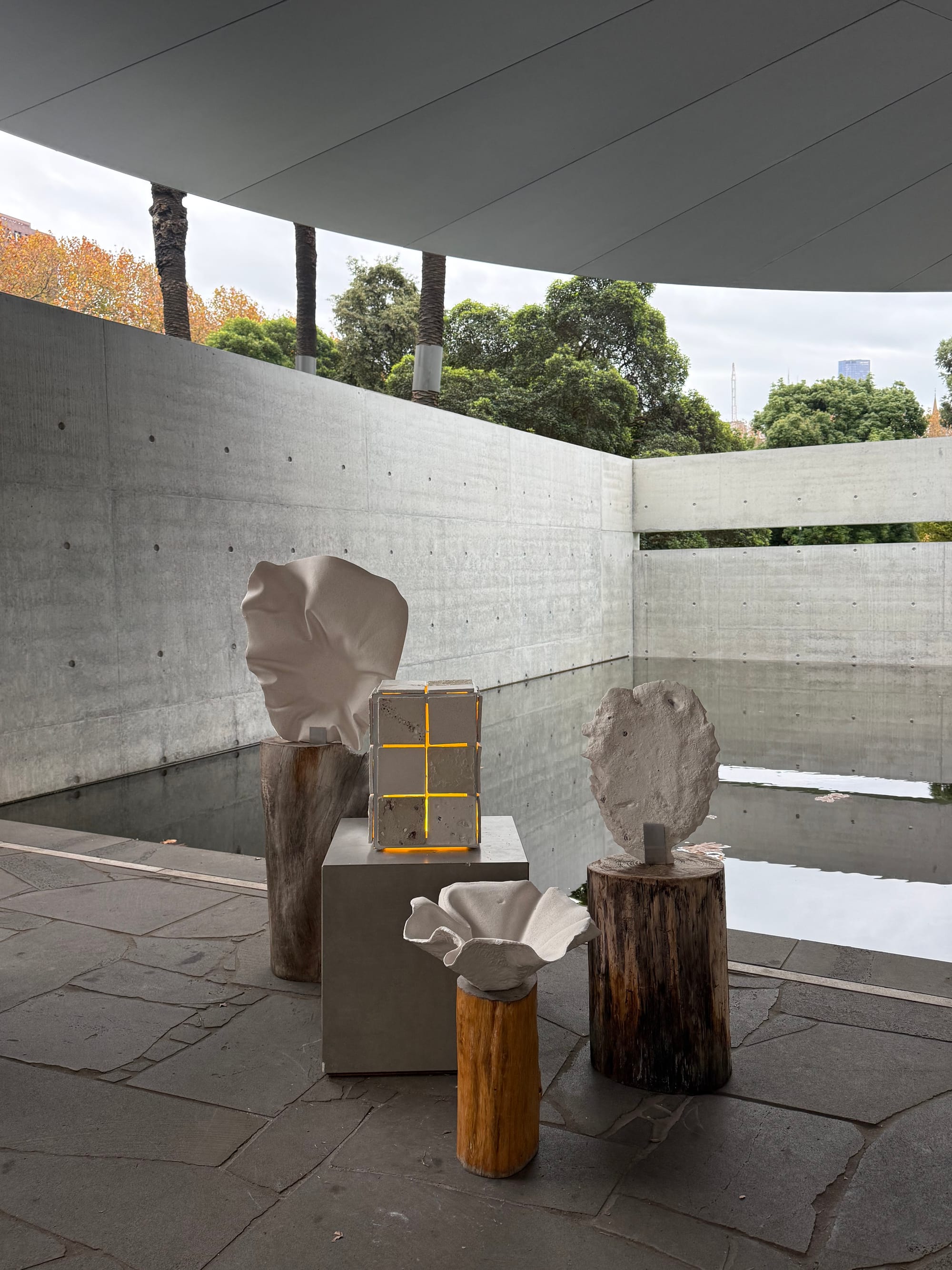
Moving beyond tiles, Off With The Pixies Studio is exploring OysterX for larger architectural and interior applications, from feature walls and sculptural objects to bespoke installations in hospitality and commercial spaces. The next phase focuses on strengthening the oyster shell biomaterial through performance testing and the development of bio-based sealing systems. By establishing the technical evidence required for specification, the studio aims to bring OysterX into architectural practice, carrying the material history of reclaimed oyster shells into the built environment.
If you're interested in learning more about Off With The Pixies Studio, or exploring a potential collaboration, you can visit their website to discover upcoming projects.
To stay up to date with more innovative approaches to architecture, design, and the future of our built environment, feel free to subscribe to architravels.
PROJECT DETAILS
Location: Melbourne, Australia
Designer and Researcher: Chloe Harper
Photography: Evan Lim, James Georges, Natasha Mulhall, Tuan Nguyen, RMIT Activator, Chloe Harper, Taïma Matthes